
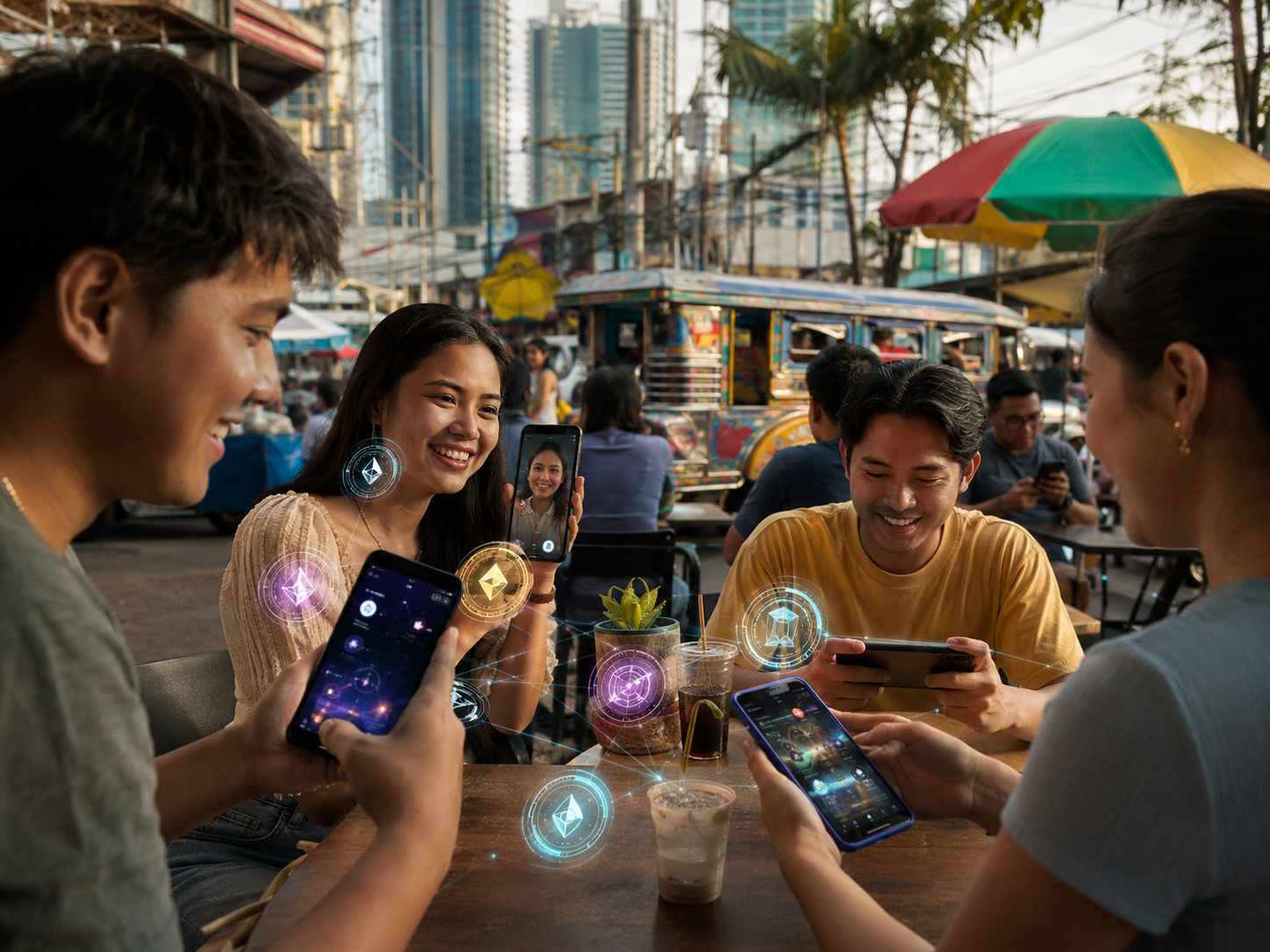
Altcoin popularity in the Philippines is not driven by a single speculative trend. It is shaped by a distinctive combination of overseas remittances, mobile-first finance, blockchain gaming, social-media communities, and the search for assets with greater growth potential than Bitcoin.
For many Filipino users, cryptocurrencies are not viewed only as investment products. They are also connected to payments, digital employment, online entertainment, and access to financial tools outside traditional banking. This broader utility helps explain why altcoins can attract rapid attention across the country.
Regulation Determines Which Altcoins Gain Trust
The regulatory environment has become one of the strongest forces shaping cryptocurrency demand in the Philippines. Investors increasingly distinguish between tokens available through regulated local platforms and assets promoted through offshore exchanges.
Bangko Sentral ng Pilipinas established a framework for Virtual Asset Service Providers under BSP Circular No. 1108. The rules require covered providers to follow standards related to licensing, consumer protection, cybersecurity, and anti-money-laundering controls.
This matters for altcoins because exchange access directly affects liquidity and visibility. A token listed on a widely used platform can gain thousands of potential Filipino buyers, while regulatory restrictions can sharply reduce its reach.
The Binance Case Changed Investor Behavior
A major real-world example came in 2024, when Philippine authorities moved against Binance over its lack of local registration. The case highlighted the risks of relying on offshore platforms and encouraged greater attention toward locally authorized service providers.
The result was more than an exchange-level dispute. It showed Filipino investors that access to specific altcoins can change quickly when regulation, licensing, and consumer protection rules collide.
Remittances Create Demand for Cheaper Digital Transfers
The Philippines has one of the world’s largest overseas-worker populations, making cross-border payments a major part of household finance. Traditional remittance channels can involve fees, currency conversion costs, and settlement delays.
This environment creates a practical reason to explore blockchain-based assets. Stablecoins are especially important, but other altcoins also benefit when networks offer low transaction fees and faster settlement.
Tokens associated with payment infrastructure, decentralized finance, or low-cost blockchain networks may therefore attract interest beyond pure speculation. Their appeal is strongest when users believe the technology can reduce friction between overseas income and local spending.
Blockchain Gaming Created a Unique Altcoin Culture
The Philippines became one of the most visible markets for play-to-earn gaming during the rise of Axie Infinity. During the pandemic era, some Filipino players earned digital tokens through gameplay, introducing large communities to wallets, decentralized exchanges, and token-based economies.
Although the play-to-earn boom later cooled, its cultural impact remained significant. Many users who entered crypto through gaming became familiar with altcoins before developing a serious interest in Bitcoin.
This history makes the Philippine market unusually receptive to gaming tokens, metaverse projects, and blockchain ecosystems that combine entertainment with financial incentives.
Social Media Can Turn Small Tokens Into Major Trends
Altcoin demand is also heavily influenced by Facebook groups, YouTube creators, Telegram channels, TikTok videos, and online trading communities. A token can move from relative obscurity to widespread attention when influencers discuss potential listings, airdrops, staking rewards, or price rallies.
However, this speed creates substantial risk. Thin liquidity, coordinated promotion, and fear of missing out can push prices higher before fundamentals are properly examined.
For Filipino investors, the strongest altcoins are increasingly those that combine community enthusiasm with practical utility, transparent development, accessible trading, and regulatory compatibility.
The next phase of altcoin popularity in the Philippines will likely depend less on hype alone. Projects that solve real problems in payments, gaming, digital work, or financial access are better positioned to survive as investors become more selective and regulators demand stronger accountability.