
Why Crypto Scams Spread Fast on Philippine Social Media
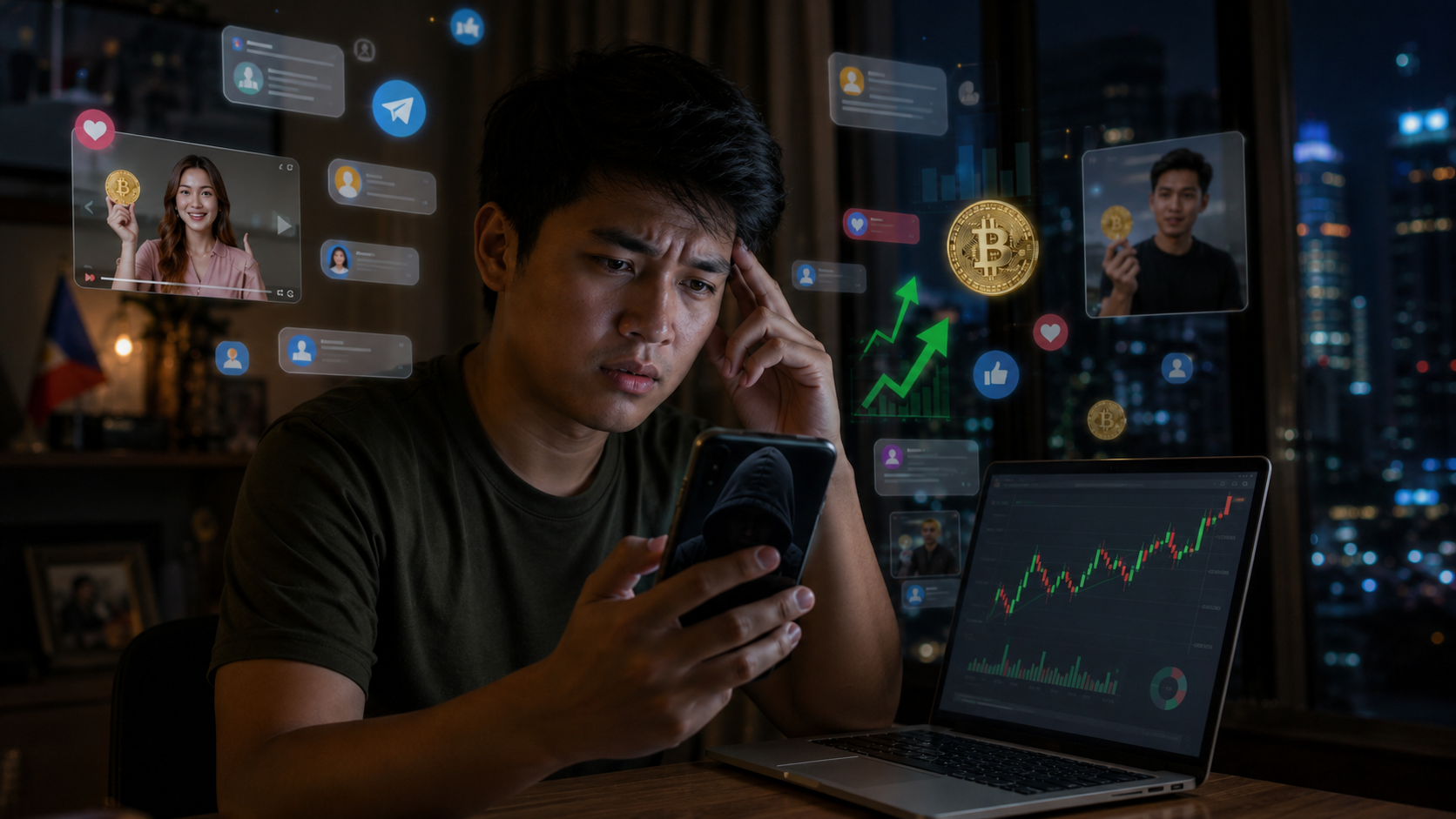
Crypto fraud in the Philippines has moved far beyond suspicious emails. Today, many scams begin on platforms people use daily: Facebook, TikTok, Telegram, Instagram, YouTube, and messaging apps. Fraudsters understand that trust is easier to build when an “investment opportunity” appears in a community group, is shared by a friend, or is promoted through polished short-form videos.
The most common pitch is simple: invest a small amount in a crypto trading platform, receive guaranteed daily returns, and withdraw anytime. The language is often designed for Filipino audiences, using phrases such as “passive income,” “extra kita,” “legit trading,” or “safe crypto mining.” Some schemes target overseas Filipino workers and young professionals by presenting crypto as a quick path to financial independence.
The danger is that these scams rarely look amateur. Many use fake dashboards, fabricated testimonials, edited screenshots of profits, and group chats filled with paid actors pretending to withdraw large earnings.
The Tactics Scammers Use
Fake Investment Groups and “Mentor” Communities
One common setup is a private Facebook or Telegram group where a so-called trader, mentor, or crypto coach teaches members how to earn from digital assets. At first, the content may appear educational. Later, members are pushed toward a specific trading platform, token presale, mining package, or staking pool.
Victims are often encouraged to start small. When they see fake profits on the platform, they are pressured to deposit more. The scam usually becomes clear only when withdrawals are blocked, delayed, or require additional “tax,” “verification,” or “unlocking” fees.
Impersonation of Legitimate Brands and Regulators
Scammers also copy the names, logos, and visual style of real exchanges, public figures, and government agencies. Some pages pretend to be connected to licensed financial platforms or claim to have approval from Philippine regulators. A key safety step is checking official advisories from the Securities and Exchange Commission Philippines. The SEC publishes investor warnings and advisories here: https://www.sec.gov.ph/advisories/
Because pages and domains change quickly, investors should verify names directly through official regulator websites rather than relying on screenshots or forwarded messages.
Real-World Context: Why the Philippines Is a Target
The Philippines is an attractive market for crypto scammers because digital finance adoption is high, social media usage is deeply embedded in everyday life, and many people are actively looking for side-income opportunities. Scammers exploit financial pressure, family obligations, and the desire for faster wealth-building.
A typical case begins with a casual message: someone claims they made money through crypto trading and offers to “guide” the victim. The relationship may feel personal, especially in romance-style scams or community-based investment groups. Once trust is built, the victim is moved from public social media into a private chat, where pressure and manipulation become harder to detect.
How to Avoid Social Media Crypto Scams
Verify Before You Send Money
Never invest based only on a post, influencer video, group chat, or referral link. Search the company name together with terms such as “SEC advisory,” “scam,” “withdrawal problem,” and “complaint.” Check whether the platform is registered with the proper authorities and whether it is allowed to offer investment products in the Philippines.
Watch for Guaranteed Returns
Crypto prices are volatile. Any platform promising fixed daily income, risk-free profit, or guaranteed returns is a major red flag. Legitimate investments do not need to pressure people with countdown timers, limited slots, or referral bonuses.
Protect Your Wallet and Identity
Do not share seed phrases, private keys, one-time passwords, screenshots of accounts, or identity documents with strangers online. Fraudsters often use “account verification” as an excuse to steal access.
What Victims Should Do Immediately
Anyone who suspects fraud should stop sending money, preserve screenshots, save wallet addresses and transaction IDs, report the social media page, and contact relevant authorities or the financial platform involved. The faster evidence is collected, the better the chance of tracing suspicious activity.
Social media has made crypto investing more visible in the Philippines, but it has also made deception faster, more personal, and more convincing. The safest investor is not the one who reacts quickly, but the one who verifies first.