
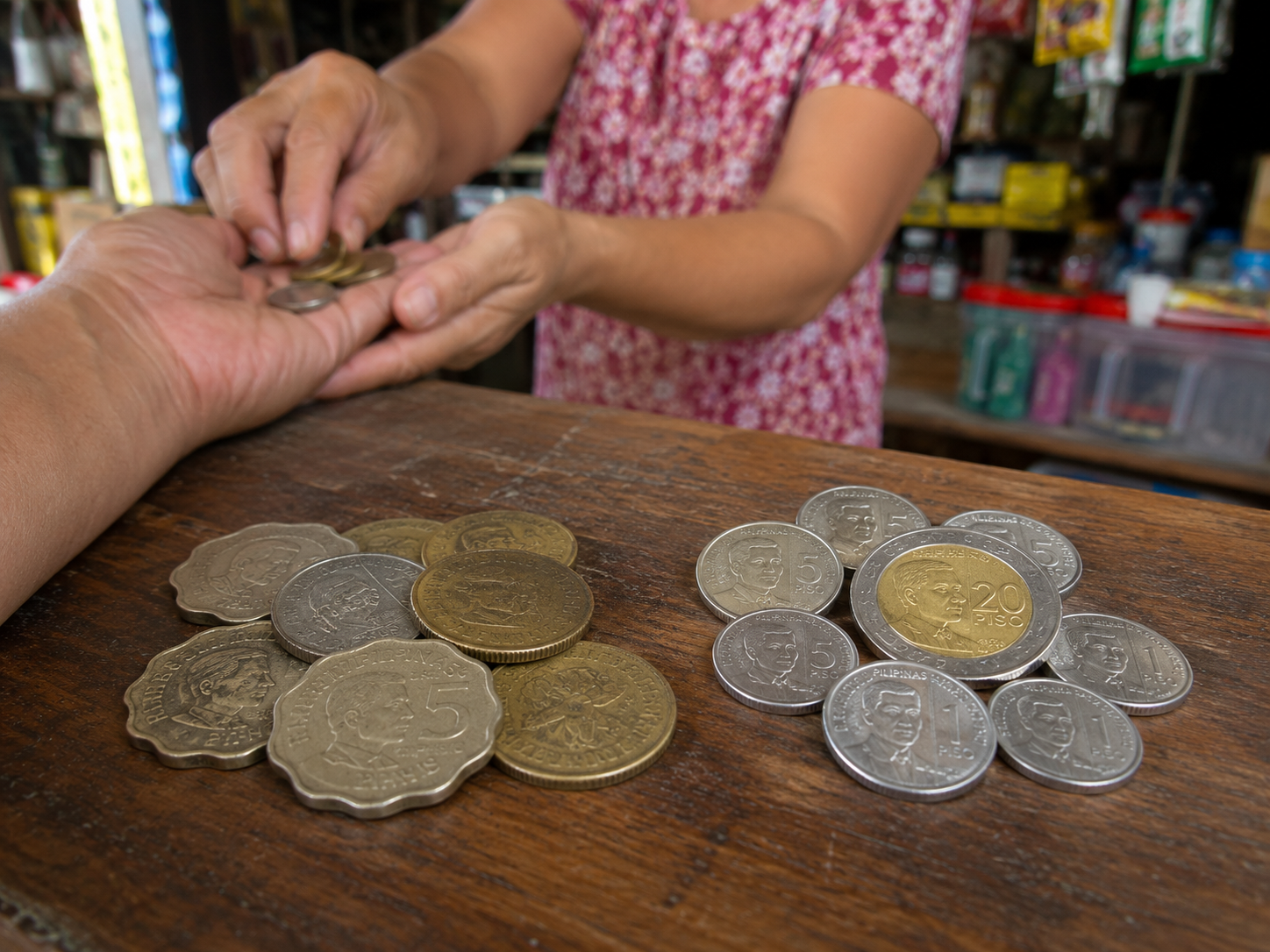
Philippine coins may look like a small part of daily life, but anyone who has paid for jeepney fare, bought food at a sari-sari store, or received change at a supermarket knows how important they are. The shift from older, more traditional Philippine coins to the newer coin series has made everyday transactions more modern, but it has also created confusion for some users.
Many people search for comparisons between Koin Tradisional and Koin Baru di Filipina because they want a simple answer: what exactly changed, which coins are still usable, and how can you quickly recognize the right coin without holding up the line at the cashier? This guide explains the differences in a practical way, with everyday examples and reliable reference points from official Philippine currency information.
What People Mean by Traditional and New Coins in the Philippines
When people talk about traditional coins in the Philippines, they usually refer to older coin designs that were commonly used before the newer Bangko Sentral ng Pilipinas coin series became more visible in circulation. These may include earlier BSP coin series with familiar portraits, different metal colors, and designs that many Filipinos grew up using.
The term new coins in the Philippines usually points to the New Generation Currency, or NGC, coin series introduced by the Bangko Sentral ng Pilipinas. These coins feature updated designs, security-related details, and more standardized visual elements. They also reflect a more modern approach to Philippine money, combining national heroes, native plants, and cleaner coin layouts.
In simple terms, traditional coins feel more familiar because people used them for years. New coins are designed to be more current, more durable, and more aligned with modern currency standards. But the transition has not been perfect for everyone. Some users find the newer coins harder to tell apart at first glance, especially when several denominations look similar in color.
For example, someone paying for lunch during a busy office break might accidentally hand over a lower-value coin because two coins look similar under poor lighting. A student buying snacks after class may need a few extra seconds to check the number on the coin. These are small moments, but they show why a clear comparison matters.
Key Differences Between Traditional Coins and New Coins
The biggest difference between traditional Philippine coins and new Philippine coins is design. Older coins often had stronger visual contrast between denominations. Some people remember them as easier to distinguish because certain coins had more obvious differences in size, color, or edge style.
The newer coins, especially from the NGC coin series, use a cleaner and more unified design language. This makes the set look more modern, but it can also make some coins feel too similar for users who are not yet familiar with them. Several newer coins have a silver-toned appearance, so people often rely more on size, edge, portrait, and printed value than color alone.
Another difference is symbolism. The newer coins continue to highlight Philippine historical figures, but they also give more attention to native flora. This design choice gives the coins a stronger cultural and environmental identity. Instead of being only a tool for payment, the coins also act as small public reminders of Philippine heritage.
Durability is also part of the discussion. Coins generally last longer than paper bills because they are less likely to tear, fold, or wear out quickly. This is one reason why the 20-piso coin became an important part of the newer coin conversation. The Bangko Sentral ng Pilipinas has explained that coins can be more cost-efficient for denominations that change hands frequently, because they remain usable for a longer period than banknotes.
From a practical point of view, the comparison looks like this:
Traditional coins are often remembered for familiarity, clearer visual separation, and long-term public habit. New coins are valued for updated design, modern materials, improved durability, and stronger consistency within the currency system.
Neither type should be judged only by appearance. What matters most is whether the coin is legal tender, recognizable, and accepted in daily transactions. For current legal tender status and official demonetization updates, readers should check the BSP’s official advisories:
https://www.bsp.gov.ph
How These Coin Changes Affect Daily Transactions
For ordinary users, the most important question is not whether the design is beautiful. The real question is: can I use the coin easily?
In daily life, coin design affects speed and confidence. A cashier needs to count coins quickly. A commuter needs to prepare the right fare. A parent giving allowance to a child wants the child to recognize each denomination correctly. A small store owner must sort coins at the end of the day without making mistakes.
This is where the difference between traditional coins and new coins becomes very practical. Older coins may feel easier for long-time users because they are already part of muscle memory. People do not have to think too much. They know the coin by feel, color, or size.
New coins require a short learning period. Once users become familiar with the denominations, the system becomes easier. But during the transition, confusion can happen. This is especially true for elderly users, people with low vision, or anyone handling coins in dim lighting.
The most useful habit is to stop relying on color alone. Instead, check three things: the number value, the size, and the edge. The portrait and reverse design can also help, but in fast transactions, the printed denomination is the quickest clue.
For collectors, the comparison is different. Traditional coins may carry sentimental or numismatic interest, especially if they are no longer commonly found in circulation. New coins, on the other hand, may be collected by year, design variation, or condition. But for everyday users, collectability matters less than usability.
A practical example: imagine receiving several coins as change at a convenience store. Instead of placing them directly into your wallet, take two seconds to group them by value. This small habit reduces confusion later, especially when you need exact change for transport or small purchases.
Common Mistakes When Identifying Philippine Coins
One common mistake is assuming that all old-looking coins are valuable. Some older coins may be collectible, but many circulated coins are only worth their face value unless they are rare, in excellent condition, or have specific historical interest. Anyone interested in selling or valuing coins should consult reputable numismatic references or professional coin dealers rather than relying on random online price claims.
Another mistake is assuming that a coin is fake just because it looks different from what someone remembers. Philippine coin designs have changed over time, and newer coins can look very different from older ones. Before rejecting a coin, compare it with official BSP images and specifications.
A third mistake is confusing similar-looking denominations. This is one of the most common complaints about newer coins. The best solution is not to memorize every design at once, but to build a simple checking routine: read the number, feel the size, check the edge, then confirm the design.
People also sometimes keep damaged or heavily worn coins without knowing whether they are still acceptable. In general, banks and official financial institutions are better places to ask about questionable currency than social media groups. If a coin is severely damaged, altered, or hard to identify, it may not be accepted in normal transactions.
Finally, many users forget to check official sources. Currency information can change through official announcements. For reliable updates, the Bangko Sentral ng Pilipinas should be the primary reference, especially for legal tender status, demonetization rules, and official coin features.
Practical Tips for Using and Checking Philippine Coins
The easiest way to handle both traditional and new Philippine coins is to create a simple recognition system. Do not depend on just one feature. Coin color, for example, can be misleading under yellow light, in poor lighting, or when coins are dirty.
Start with the denomination number. This is the fastest and most reliable clue for everyday use. Then check the size and thickness. Larger denominations often feel different in the hand, especially when you compare them side by side. After that, look at the edge. Some coins have different edge styles or shapes that help users distinguish them more easily.
For people who regularly handle coins, such as small business owners, jeepney passengers, students, or market shoppers, sorting coins at the end of the day helps build familiarity. Put similar denominations together. Over time, your hand learns the difference before your eyes even confirm it.
For parents teaching children about money, use real-life practice instead of only showing pictures. Ask the child to prepare exact payment for a small item, then explain why each coin was chosen. This makes the lesson practical and builds confidence.
For elderly family members, consider using a small coin pouch with separate sections. This is not only convenient but also reduces the chance of giving the wrong coin. A simple labeled pouch can be more useful than trying to memorize all design changes at once.
For collectors, store older traditional coins separately from everyday coins. Avoid cleaning them aggressively, because cleaning can reduce collectible value. If a coin looks unusual, take clear photos of both sides and compare it with official or reputable numismatic references before making assumptions.
The best habit is simple: treat coins as both money and information. Each coin tells you its value through number, size, design, and official markings. Once you learn how to read those signs, the difference between traditional coins and new coins in the Philippines becomes much easier to understand.
Final Takeaway
Traditional Philippine coins are valued for familiarity and public memory, while new Philippine coins reflect updated design, durability, and modern currency standards. For everyday users, the most important skill is knowing how to identify coins quickly and confidently.
Whether you are paying for transport, running a small store, teaching a child about money, or sorting coins at home, the practical approach is the same: check the denomination, size, edge, and official design. For anything involving legal tender status or updated specifications, always confirm with the Bangko Sentral ng Pilipinas before making decisions.
FAQ
Are traditional coins in the Philippines still accepted?
Some older coins may still be accepted depending on their legal tender status, but this can change through official BSP announcements. Always verify through Bangko Sentral ng Pilipinas before assuming an old coin can still be used.
Why do some new Philippine coins look similar?
The newer coin series uses a more unified design style and similar metallic tones across several denominations. This creates a modern look, but it can make quick identification harder for some users.
What is the easiest way to identify new Philippine coins?
Check the denomination number first, then compare the size, edge, and design. Avoid relying only on color because lighting and wear can make coins look similar.
Are old Philippine coins valuable to collectors?
Some old coins may have collector value, but many are worth only face value. Rarity, condition, mint year, and demand all matter. A reputable coin dealer or numismatic reference is better than random online listings.