
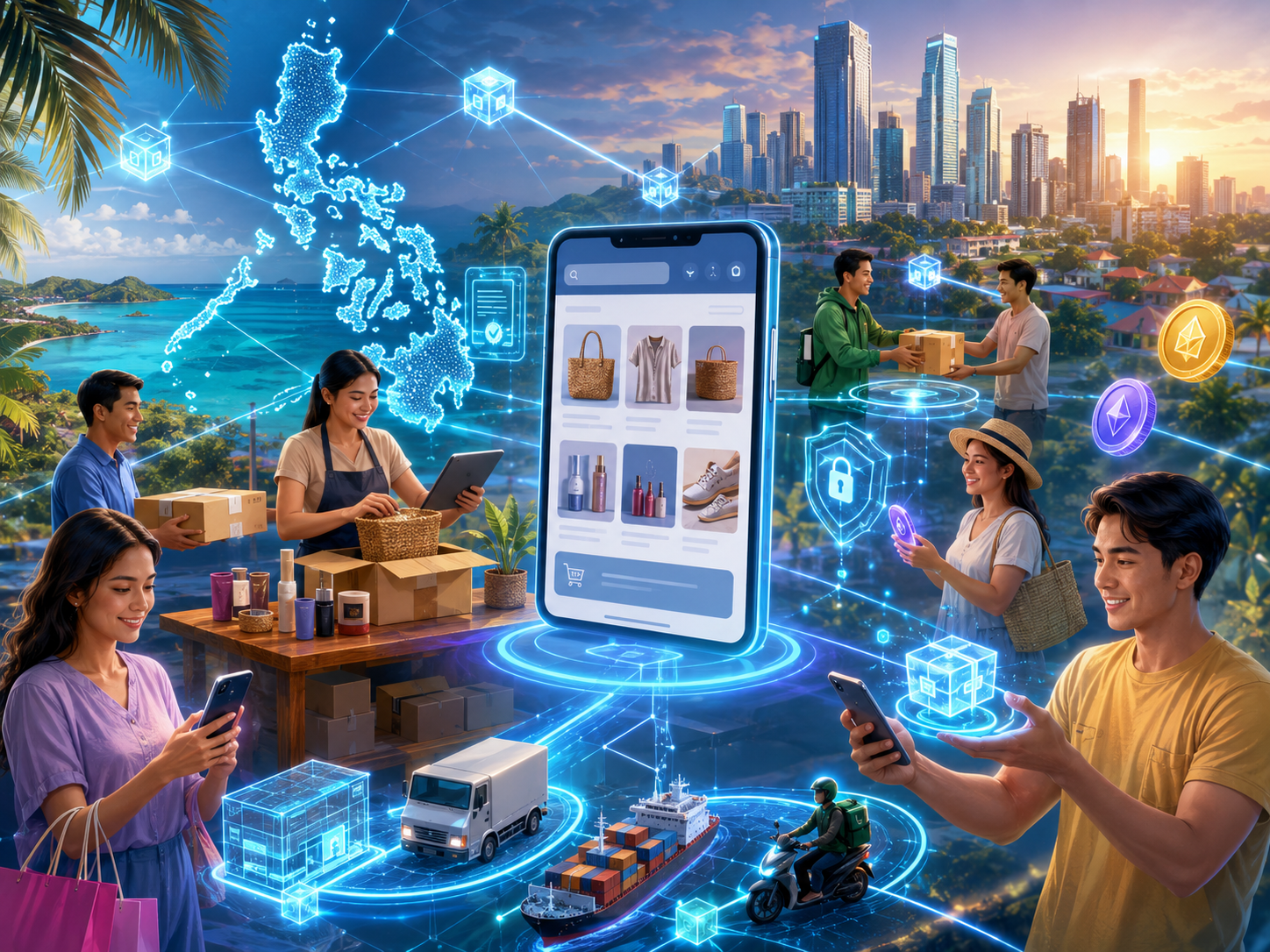
The Philippine e-commerce industry has been experiencing rapid growth over the past decade, fueled by rising internet penetration, increased smartphone usage, and a young, digitally savvy population. According to recent reports, the Philippine e-commerce market is projected to surpass USD 12 billion by 2026, highlighting its vast potential. Amid this growth, emerging technologies like Web3 are poised to transform the landscape, offering unprecedented opportunities for businesses, consumers, and developers alike. Web3, which encompasses blockchain technology, decentralized finance (DeFi), non-fungible tokens (NFTs), and decentralized applications (dApps), provides tools that can address several challenges in the current e-commerce ecosystem.
One of the most significant opportunities Web3 offers is the enhancement of payment systems. Traditional payment methods in the Philippines, such as bank transfers and credit cards, often face issues like high transaction fees, slow processing times, and limited accessibility in rural areas. With blockchain-based payment solutions, e-commerce platforms can facilitate faster, more secure, and cost-effective transactions. Cryptocurrencies like Bitcoin, Ethereum, and emerging stablecoins can be integrated into online stores, enabling a seamless cross-border payment system. This approach not only reduces operational costs but also expands the market reach for local businesses to international buyers without the friction of traditional banking systems.
Moreover, Web3 introduces new ways to build consumer trust through transparency and decentralization. Blockchain technology allows for immutable records of product origins, ownership, and transactions. For example, supply chain management can be revolutionized using blockchain to track products from manufacturing to delivery. Filipino consumers, increasingly conscious of product authenticity and ethical sourcing, can benefit from verifiable digital records that ensure the integrity of goods purchased online. By providing transparent transaction histories and product provenance, e-commerce platforms can foster stronger customer loyalty and reduce issues such as counterfeit goods, which remain a challenge in the local market.
Decentralized marketplaces are another area where Web3 could redefine the Philippine e-commerce scene. Unlike traditional centralized platforms, decentralized platforms allow peer-to-peer transactions without intermediaries. This model can empower small businesses and individual sellers to reach consumers directly while retaining a larger share of profits. Platforms leveraging smart contracts can automate agreements, payment releases, and dispute resolutions, reducing operational overhead and legal complexities. For the Philippine market, which has a large segment of micro, small, and medium enterprises (MSMEs), this represents a transformative opportunity to compete with global e-commerce giants.
NFTs and tokenization also present unique possibilities for e-commerce innovation. Beyond art and collectibles, NFTs can be used for loyalty programs, exclusive memberships, or digital ownership of products and experiences. For instance, Filipino retailers can issue NFT-based loyalty tokens to incentivize repeat purchases, create gamified shopping experiences, or offer digital assets that provide tangible benefits in the real world. Tokenization can also unlock fractional ownership models for high-value goods, allowing broader participation in markets previously limited to affluent consumers.
However, the adoption of Web3 in the Philippine e-commerce sector is not without challenges. Regulatory frameworks for cryptocurrencies and blockchain technologies are still evolving, requiring businesses to navigate compliance and taxation issues carefully. Additionally, the general public’s understanding of decentralized technologies remains limited, necessitating educational initiatives to drive adoption. Infrastructure challenges, such as intermittent internet connectivity in rural areas, also need to be addressed to ensure equitable access to Web3-powered services.
Despite these hurdles, the synergy between Web3 and the Philippine e-commerce market holds transformative potential. By leveraging decentralized technologies, platforms can improve payment efficiency, enhance transparency, empower local sellers, and introduce innovative customer engagement strategies. As more businesses experiment with blockchain, DeFi, NFTs, and smart contracts, the Philippine e-commerce industry is poised to become not only a hub for digital commerce but also a testing ground for next-generation Web3 applications in Southeast Asia.