
Non-fungible tokens, or NFTs, are becoming an interesting part of the fashion industry, including among Filipino fashion players. While NFTs are often associated with digital art, gaming, and collectibles, their use in fashion is expanding quickly. For designers, brands, models, stylists, and fashion communities in the Philippines, NFTs offer new ways to present creativity, protect ownership, reach global audiences, and create stronger relationships with customers.
In the Filipino fashion scene, NFTs can be used to transform clothing designs into digital assets. A fashion designer, for example, can create a digital version of a dress, jacket, accessory, or complete outfit and mint it as an NFT. This means the item becomes a unique digital product recorded on a blockchain. Unlike ordinary digital images that can be copied easily, an NFT contains proof of ownership and authenticity. For Filipino designers who want to showcase original work, this can be a valuable tool, especially when presenting designs to international buyers or collectors.
One important benefit of NFTs for Filipino fashion players is global exposure. The Philippine fashion industry has strong creative potential, combining local craftsmanship, cultural identity, and modern design. Through NFT marketplaces, designers are no longer limited to physical boutiques, local events, or traditional fashion shows. They can upload digital fashion collections and make them available to collectors from different countries. This opens opportunities for emerging designers who may not yet have access to large fashion capitals such as Paris, Milan, New York, or Tokyo.
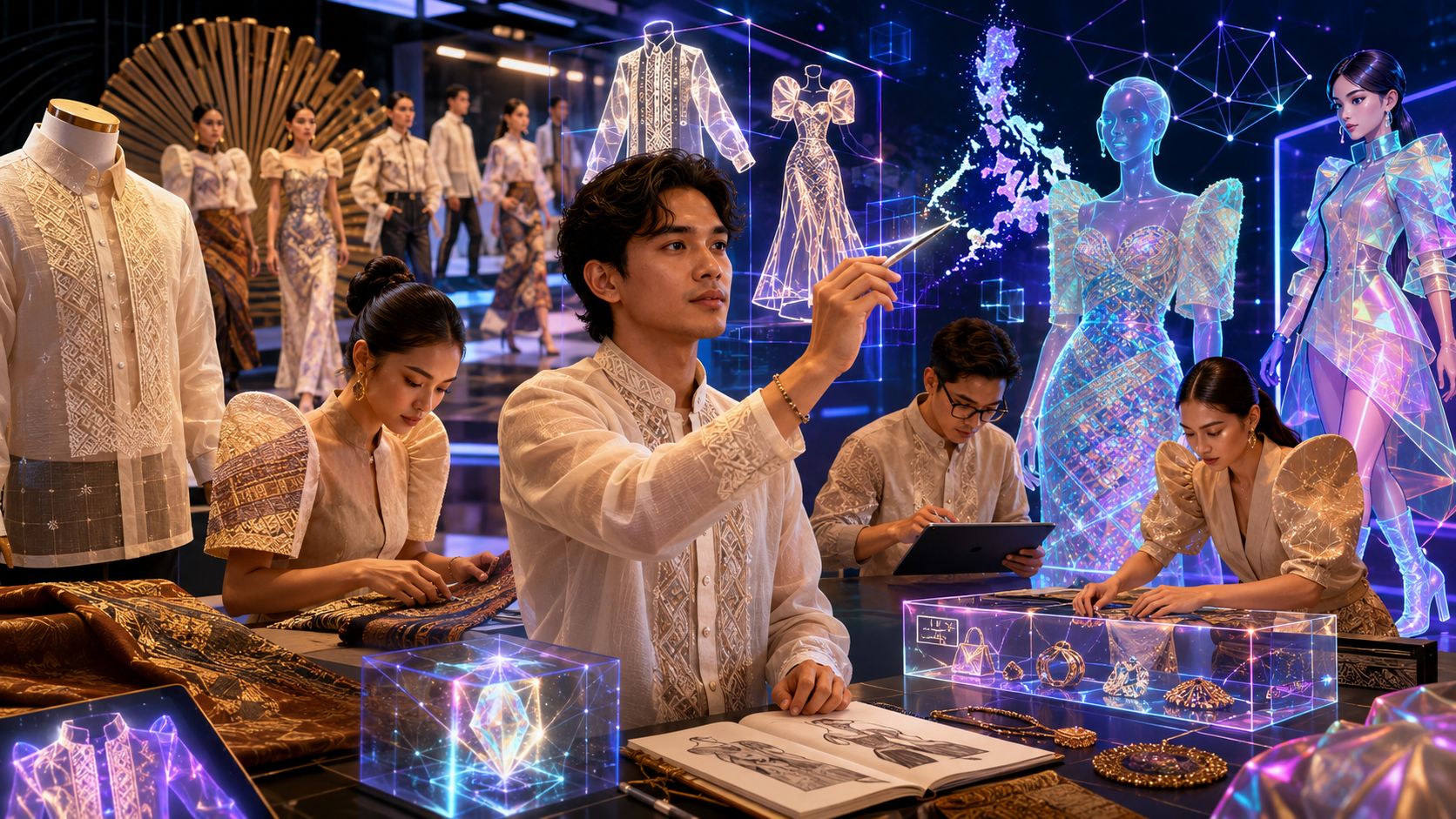
NFTs also allow Filipino designers to highlight cultural heritage in a modern format. Traditional fabrics, weaving patterns, embroidery, and indigenous-inspired designs can be reimagined as digital fashion pieces. For instance, a designer may create an NFT collection inspired by barong Tagalog, terno sleeves, piña fabric, or patterns from local weaving communities. This gives cultural fashion a new platform while also attracting younger audiences who are active in digital spaces. However, designers must approach this carefully and respectfully, especially when using indigenous symbols or community-based designs.
Another way Filipino fashion players use NFTs is through digital wearables. These are virtual fashion items that can be worn by avatars in online worlds, games, or metaverse platforms. As more consumers spend time in digital environments, clothing is no longer limited to the physical body. A person may want a stylish outfit for their avatar during virtual events, online meetings, or gaming communities. Filipino fashion brands can enter this space by creating digital sneakers, bags, gowns, streetwear, or accessories that users can purchase as NFTs.
NFTs can also improve customer engagement. A fashion brand may release limited NFT collections that come with special benefits, such as early access to new products, invitations to private fashion shows, discounts, or exclusive physical items. This creates a stronger bond between the brand and its supporters. Instead of being only customers, NFT buyers become part of a fashion community. For Filipino designers building loyal audiences, this can be a powerful marketing strategy.
For models, stylists, photographers, and creative directors in the Philippines, NFTs provide additional income opportunities. A fashion photoshoot can be turned into a limited digital collectible. Behind-the-scenes videos, concept sketches, lookbook images, and campaign visuals can also become NFTs. This allows different creative professionals to monetize their work beyond traditional contracts. Smart contracts can also include royalty features, meaning creators may earn a percentage whenever the NFT is resold.
Despite its potential, NFT adoption in Filipino fashion still faces challenges. Many people are unfamiliar with blockchain technology, crypto wallets, gas fees, and marketplace rules. There are also concerns about scams, copyright issues, and environmental impact, depending on the blockchain used. Because of this, education is important. Fashion players need to understand not only the creative side of NFTs but also the legal, financial, and technical aspects.
For the Philippine fashion industry, NFTs are not meant to replace physical fashion. Instead, they can serve as an additional layer of creativity and business opportunity. Filipino designers and fashion entrepreneurs can use NFTs to tell stories, preserve cultural identity, offer exclusive digital products, and reach audiences beyond geographical limits. As technology continues to develop, NFTs may become a meaningful bridge between traditional Filipino fashion and the future of digital style.