
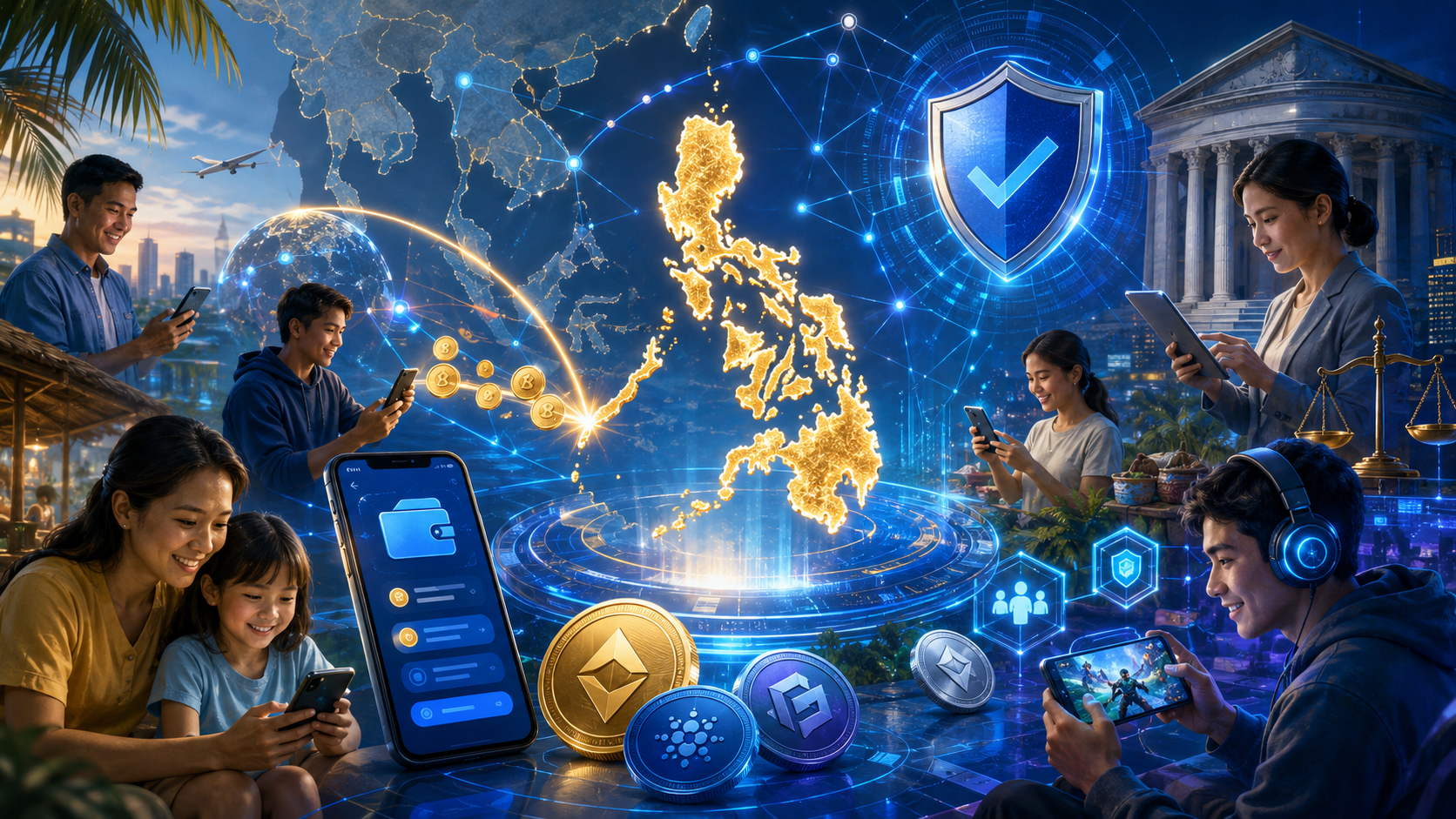
The Philippines has become one of Southeast Asia’s most active countries in shaping crypto regulation, driven by strong digital adoption, a large remittance market, and growing public interest in blockchain-based financial services. While countries such as Singapore are often seen as regional leaders in institutional crypto regulation, the Philippines plays a different but equally important role: it acts as a testing ground for practical crypto adoption among everyday users, especially in payments, remittances, gaming, and financial inclusion.
One of the key institutions behind the Philippines’ crypto regulatory approach is the Bangko Sentral ng Pilipinas, or BSP. The central bank has taken a cautious but open stance toward digital assets. Instead of banning cryptocurrencies outright, the BSP has focused on licensing, supervision, and risk management. Crypto exchanges and related service providers are generally treated under the framework of Virtual Asset Service Providers, commonly known as VASPs. This means companies that allow users to exchange, transfer, or hold virtual assets must follow regulatory requirements related to anti-money laundering, consumer protection, cybersecurity, and operational transparency.
This approach is significant for Southeast Asia because it shows how a developing economy can regulate crypto without completely blocking innovation. The Philippines recognizes that crypto can create financial opportunities, especially for people who are underserved by traditional banking systems. Millions of Filipinos work overseas and send money back home, making remittances a major part of the national economy. Blockchain-based payment systems have the potential to reduce transfer costs and improve transaction speed, although regulators remain careful about volatility, fraud, and illegal financial activity.
The Philippines has also played an important role through its experience with crypto adoption in gaming and digital communities. During the rise of play-to-earn games, many Filipinos participated in blockchain-based platforms as a source of income. This created both opportunities and risks. On one hand, it introduced digital wallets and crypto transactions to a large number of first-time users. On the other hand, it exposed people to market crashes, speculative behavior, scams, and unclear tax obligations. As a result, Philippine regulators gained valuable insight into how crypto affects ordinary citizens, not only institutional investors.
Another important part of the Philippines’ regulatory contribution is its emphasis on financial technology innovation. The country has supported fintech development through regulatory sandboxes and controlled testing environments. These initiatives allow companies to experiment with new financial products while remaining under regulatory observation. In the crypto sector, this model helps regulators understand new technologies before creating stricter rules. It also encourages dialogue between government agencies, startups, banks, and consumer groups.
The Securities and Exchange Commission of the Philippines also plays a role in monitoring crypto-related investment products. Its focus is mainly on protecting investors from unregistered securities offerings, fraudulent schemes, and misleading promotions. This is especially important because many crypto projects market themselves aggressively to retail users. By warning the public and taking action against suspicious activities, the SEC helps create a safer digital asset environment.
Regionally, the Philippines contributes to the broader Southeast Asian conversation on crypto regulation by demonstrating the need for balance. ASEAN countries face similar challenges: encouraging innovation, preventing financial crime, protecting consumers, and maintaining monetary stability. The Philippine experience shows that regulation must be flexible enough to support legitimate use cases while strict enough to address scams, money laundering, and systemic risk.
Looking ahead, the Philippines is likely to remain an important player in Southeast Asia’s crypto regulatory landscape. Its large digital population, active fintech sector, and experience with mass crypto adoption give it practical knowledge that other countries can learn from. The country’s role is not only about creating laws, but also about understanding how crypto works in real life. By combining innovation-friendly policies with stronger consumer protection, the Philippines can help shape a more responsible and inclusive crypto ecosystem across Southeast Asia.