
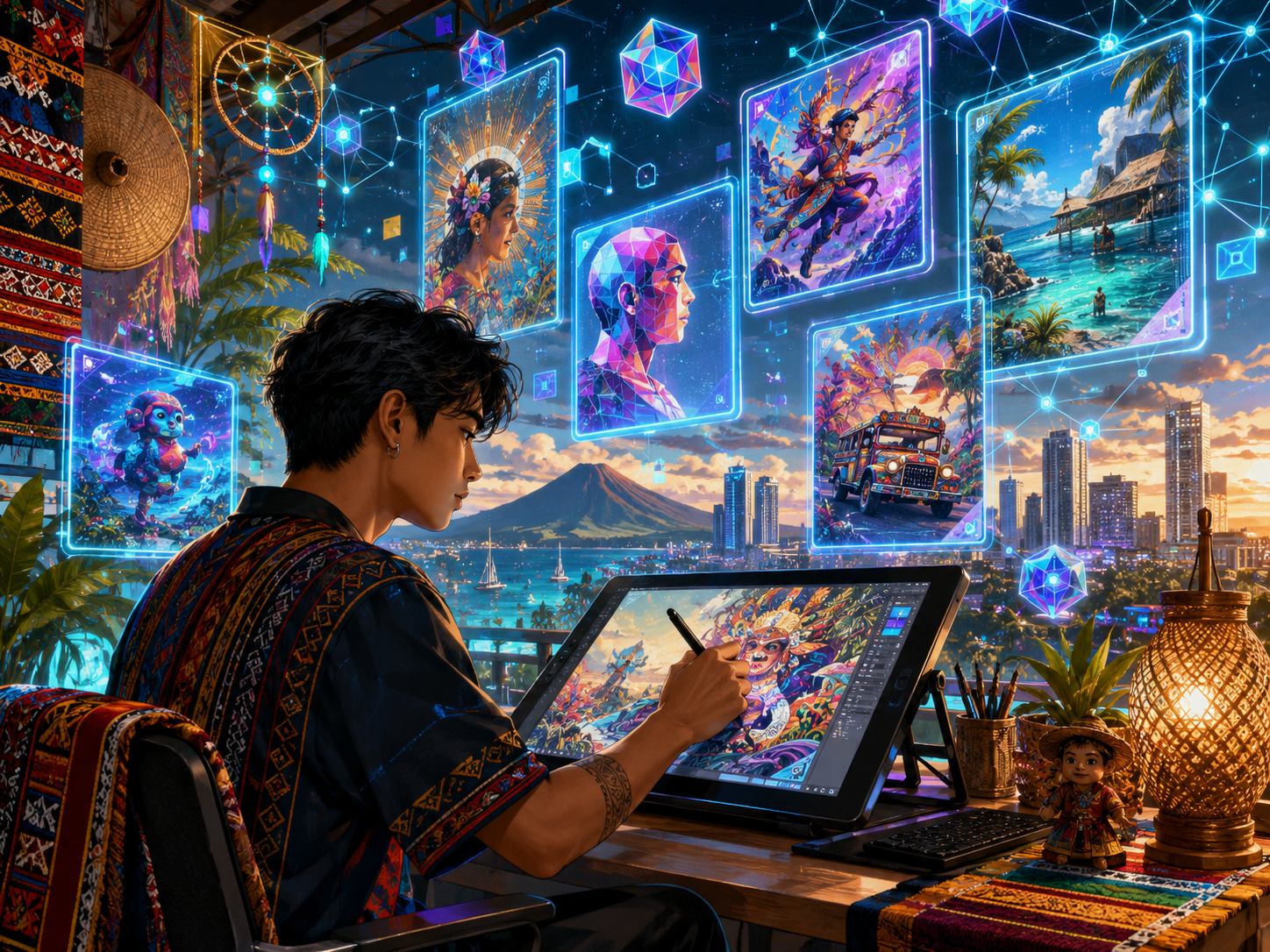
In recent years, the intersection of technology and art has given rise to groundbreaking innovations, with non-fungible tokens (NFTs) emerging as a significant force in the digital creative economy. NFTs, unique digital assets verified using blockchain technology, have opened new avenues for artists to monetize their work and connect directly with global audiences. Among these pioneering creators, Filipino graphic designers are gaining recognition for their ability to blend traditional design principles with digital innovation, creating works that are both visually compelling and culturally resonant.
Filipino graphic designers are known for their vibrant use of color, intricate patterns, and storytelling that draws inspiration from local culture, folklore, and contemporary social themes. When paired with NFTs, these designers gain access to a global platform, enabling them to reach collectors and enthusiasts far beyond the Philippines. This collaboration has transformed the way digital art is perceived, allowing designers to transcend the limitations of conventional galleries or freelance work, presenting their creations directly in digital marketplaces.
The NFT ecosystem encourages experimentation, providing designers with opportunities to explore new visual styles and interactive formats. Some Filipino artists have embraced motion graphics, augmented reality (AR), and generative art to create dynamic NFTs that move beyond static imagery. For instance, designers often integrate traditional Filipino motifs, such as tribal patterns or architectural elements, with digital animation, resulting in unique pieces that celebrate heritage while appealing to modern collectors. The blockchain-based proof of ownership also ensures that artists retain royalties on secondary sales, a feature that significantly enhances financial sustainability compared to traditional art markets.
Moreover, collaborations between NFT platforms and Filipino graphic designers often foster community engagement. Platforms like OpenSea, Rarible, and local initiatives such as Hic et Nunc-inspired marketplaces provide spaces for networking, mentorship, and exposure. Through these platforms, emerging Filipino designers gain insights into market trends, pricing strategies, and audience preferences, equipping them with tools to grow professionally. Some designers also collaborate with musicians, animators, and writers, creating multimedia NFT projects that expand the storytelling potential of digital art.
The impact of NFTs on Filipino graphic design extends beyond financial gain. It also contributes to a cultural dialogue, allowing designers to comment on social, environmental, and political issues through a digital medium. For example, some NFTs address urbanization in Manila, environmental conservation in Palawan, or indigenous heritage preservation. The accessibility of NFTs democratizes art dissemination, granting audiences worldwide the ability to engage with Filipino culture in ways that were previously limited by geography or institutional barriers.
Challenges remain, particularly around understanding blockchain technology, ensuring digital security, and navigating the volatile NFT market. However, these obstacles have prompted Filipino designers to become not only creators but also educators and advocates. Online communities, webinars, and workshops led by experienced designers help newcomers understand minting processes, smart contracts, and digital copyright management. By sharing knowledge and fostering collaboration, Filipino graphic designers are building a resilient ecosystem that blends creativity with innovation.
Ultimately, the collaboration between NFTs and Filipino graphic designers exemplifies how technology can amplify artistic expression while offering tangible benefits to creators. This partnership reshapes traditional perceptions of art ownership, challenges conventional market limitations, and creates opportunities for cultural storytelling on a global scale. By embracing NFTs, Filipino designers are not only preserving their artistic heritage but also pushing the boundaries of digital art, demonstrating that creativity and innovation can thrive in a decentralized, borderless environment.