
The rise of Non-Fungible Tokens (NFTs) has sparked waves of innovation across various sectors, and one of the industries where their impact is being keenly felt is the music industry. NFTs provide a fresh approach to music distribution, fan engagement, and the monetization of art, with opportunities that were previously unavailable through traditional channels. This article explores the application of NFTs in the music world and how they are reshaping the way artists, producers, and fans interact with music.
NFTs: What Are They and How Do They Work in Music?
At their core, NFTs are unique digital assets that are stored on a blockchain. Unlike cryptocurrencies such as Bitcoin, which are interchangeable, NFTs represent ownership of a specific item or piece of content. This uniqueness makes them particularly valuable for digital art and music, where creators can prove ownership and transfer assets directly to fans without the need for intermediaries such as record labels or streaming platforms.
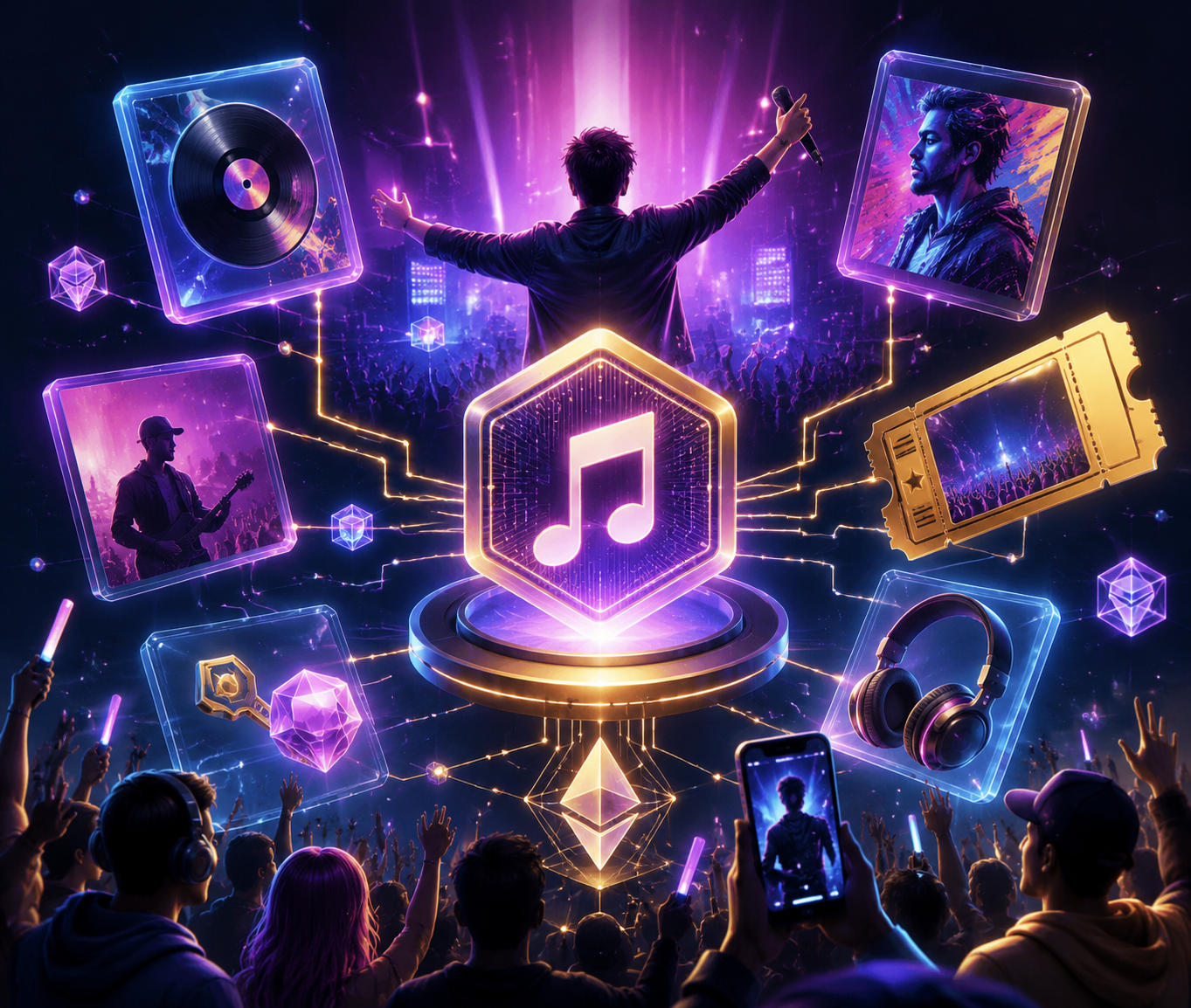
In the context of the music industry, NFTs can be used to represent a variety of things, including album releases, concert tickets, exclusive content, merchandise, and even special experiences with the artists. When a fan purchases an NFT, they not only get a digital asset but also gain access to the exclusive benefits associated with that token, which may include access to unreleased tracks, VIP concert tickets, or the opportunity to engage with the artist directly.
Artist Empowerment: New Opportunities for Music Creators
For artists, NFTs open up new ways to monetize their work. Traditionally, musicians have had to rely on streaming platforms and record labels for revenue, often receiving a small fraction of the earnings from their music. NFTs shift this dynamic by providing artists with greater control over their music, as they can sell it directly to fans, cutting out the middleman and retaining a larger portion of the revenue.
One significant opportunity that NFTs offer is the ability for artists to create limited-edition albums or tracks that are sold as unique digital collectibles. Fans who purchase these NFTs may not only own a special edition of the music but also enjoy the added value of rarity. Limited releases create a sense of exclusivity, which can drive demand and increase the price of these NFTs. Some musicians have even begun releasing entire albums exclusively as NFTs, ensuring that only those who purchase the token will have access to the music.
Additionally, NFTs allow artists to engage with their fanbase in entirely new ways. For example, an artist could issue a “fan token” that grants holders special access to concerts, behind-the-scenes content, or even voting rights on aspects of an artist’s creative process, such as song selection or album artwork. This fosters deeper engagement and a sense of community between creators and their supporters.
NFTs and the Fan Experience: Enhanced Interaction and Ownership
For fans, NFTs provide a chance to not just listen to music but to become a part of an artist’s journey. Owning an NFT means having something unique—a digital collectible that can be shown off, traded, or kept as a long-term investment. As NFTs appreciate in value over time, fans who support an artist early on can stand to benefit from their investment if the artist gains widespread recognition.
Moreover, NFTs create a direct connection between the fan and the artist, bypassing the need for traditional distribution channels. Fans who purchase NFTs may gain access to private events or VIP meet-and-greets, elevating the fan experience. In some cases, NFTs can even represent access to interactive experiences, such as virtual concerts or private livestreams, where fans can engage with the artist in real-time.
One unique aspect of NFTs in the music industry is the potential for digital ownership of music. Unlike physical albums or digital files from streaming platforms, which often come with restrictions on usage and distribution, NFTs allow fans to own music in a way that is truly theirs. The buyer of an NFT may even have the ability to resell or transfer ownership of the digital asset to others, creating a marketplace for rare and valuable music-related collectibles.
The Future of NFTs in the Music Industry
While NFTs have already begun making waves in the music industry, their full potential is yet to be realized. As more artists, record labels, and platforms adopt blockchain technology, NFTs could revolutionize not only the way music is distributed but also how it is created. Collaborative projects between musicians, producers, and fans could flourish, with NFTs serving as a platform for crowd-sourced creativity and funding.
However, as with any emerging technology, there are challenges to overcome. The volatility of NFT prices, the environmental impact of blockchain technology, and the need for greater mainstream adoption are all hurdles that the industry must navigate. Yet, despite these challenges, NFTs hold great promise for transforming the music industry into a more decentralized, artist-centric ecosystem, where creators and fans alike have a stake in the success of the music they love.
By breaking down barriers to entry, creating new revenue streams, and fostering deeper engagement between artists and fans, NFTs are setting the stage for a more vibrant and dynamic music industry—one where the power is increasingly in the hands of the creators and their supporters.