
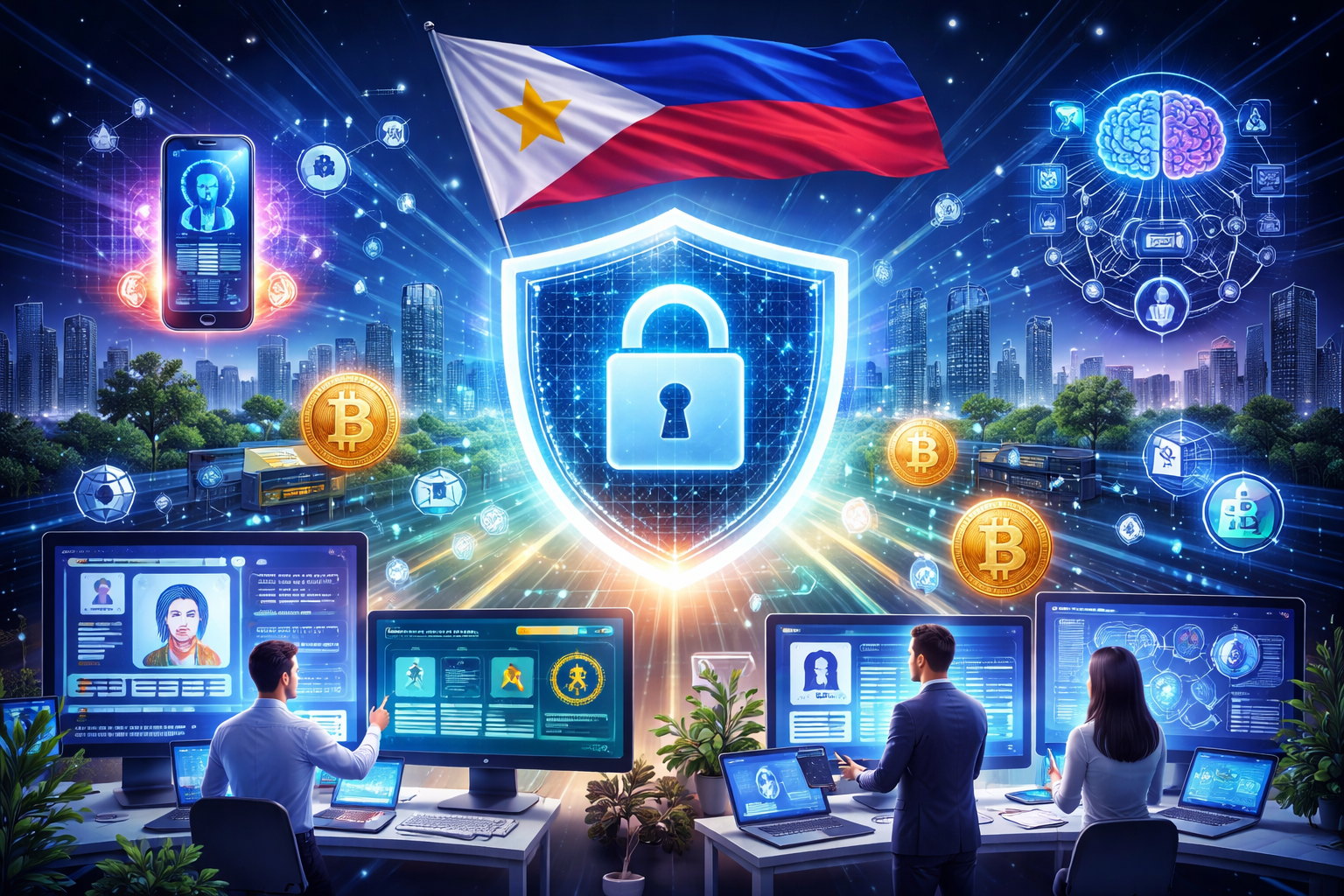
As cryptocurrency adoption grows in the Philippines, so do the risks tied to fraud, scams, and financial crime. The country has become an active market for digital assets because of high mobile penetration, a large remittance economy, and a population that is increasingly open to fintech innovation. Yet these same conditions also create fertile ground for phishing attacks, fake investment platforms, rug pulls, account takeovers, and money laundering schemes. To reduce these risks, the Philippines needs a modern crypto anti-fraud system built on layered technology, real-time monitoring, and strong coordination between exchanges, regulators, and payment providers.
At the center of any effective anti-fraud framework is transaction monitoring powered by blockchain analytics. Unlike traditional finance, crypto transactions occur on public ledgers, which means activity can be traced if the right tools are used. Advanced analytics platforms can identify suspicious wallet behavior, track funds moving through mixers or multiple addresses, and flag links to known scam networks, sanctioned entities, or stolen assets. For Philippine exchanges and virtual asset service providers, this technology is essential because it allows risk detection before funds fully leave the ecosystem. Instead of reacting after users have been harmed, firms can freeze or review high-risk transfers in real time.
Another core requirement is AI-driven behavioral analysis. Fraud today is rarely limited to one suspicious transaction. It often involves patterns such as sudden changes in login location, unusual withdrawal timing, rapid wallet creation, or repeated small deposits used to test stolen credentials. Machine learning systems can study normal user behavior and detect anomalies that human compliance teams may miss. In the Philippine context, where many users rely on mobile devices and digital wallets for quick transactions, behavioral analytics can help distinguish legitimate customer activity from account compromise, social engineering, or bot-driven abuse. This is especially important for preventing fraud at scale.
The country also needs stronger digital identity verification and risk-based onboarding. Many crypto scams succeed because criminals exploit weak account creation processes or use stolen identities. A robust anti-fraud system should combine government ID checks, biometric verification, liveness detection, device fingerprinting, and database cross-checks to reduce fake accounts. But identity verification alone is not enough. A risk-based model should classify users according to transaction size, source of funds, geographic signals, and wallet exposure. Higher-risk accounts should face enhanced due diligence, withdrawal delays, or additional review. This makes compliance more efficient while reducing unnecessary friction for low-risk customers.
Just as important is cross-platform intelligence sharing. Fraud in crypto rarely stays within one app or exchange. Stolen funds may move from a local platform to offshore wallets, peer-to-peer marketplaces, gambling sites, or converted cash-out channels. To respond effectively, the Philippines needs a shared fraud intelligence environment where licensed exchanges, banks, e-wallets, and regulators can exchange alerts on scam addresses, mule accounts, and emerging attack methods. This kind of coordination can sharply reduce response time and make fraud networks easier to disrupt.
User protection tools should also be part of the technology stack. Warning prompts for high-risk wallet addresses, delayed withdrawals for first-time transfers, scam detection in chat or payment notes, and mandatory confirmation screens for suspicious transactions can prevent losses before they happen. Many victims are not careless; they are manipulated through urgency, fear, or false promises. Smart interface design can interrupt this psychology and create a final layer of defense.
For the Philippines, the real goal is not simply to adopt more crypto technology, but to build safer infrastructure around it. Anti-fraud systems must combine blockchain transparency, artificial intelligence, identity controls, shared intelligence, and user-centered safeguards. Without these layers, growth in digital assets will continue to be matched by growing criminal opportunity.