
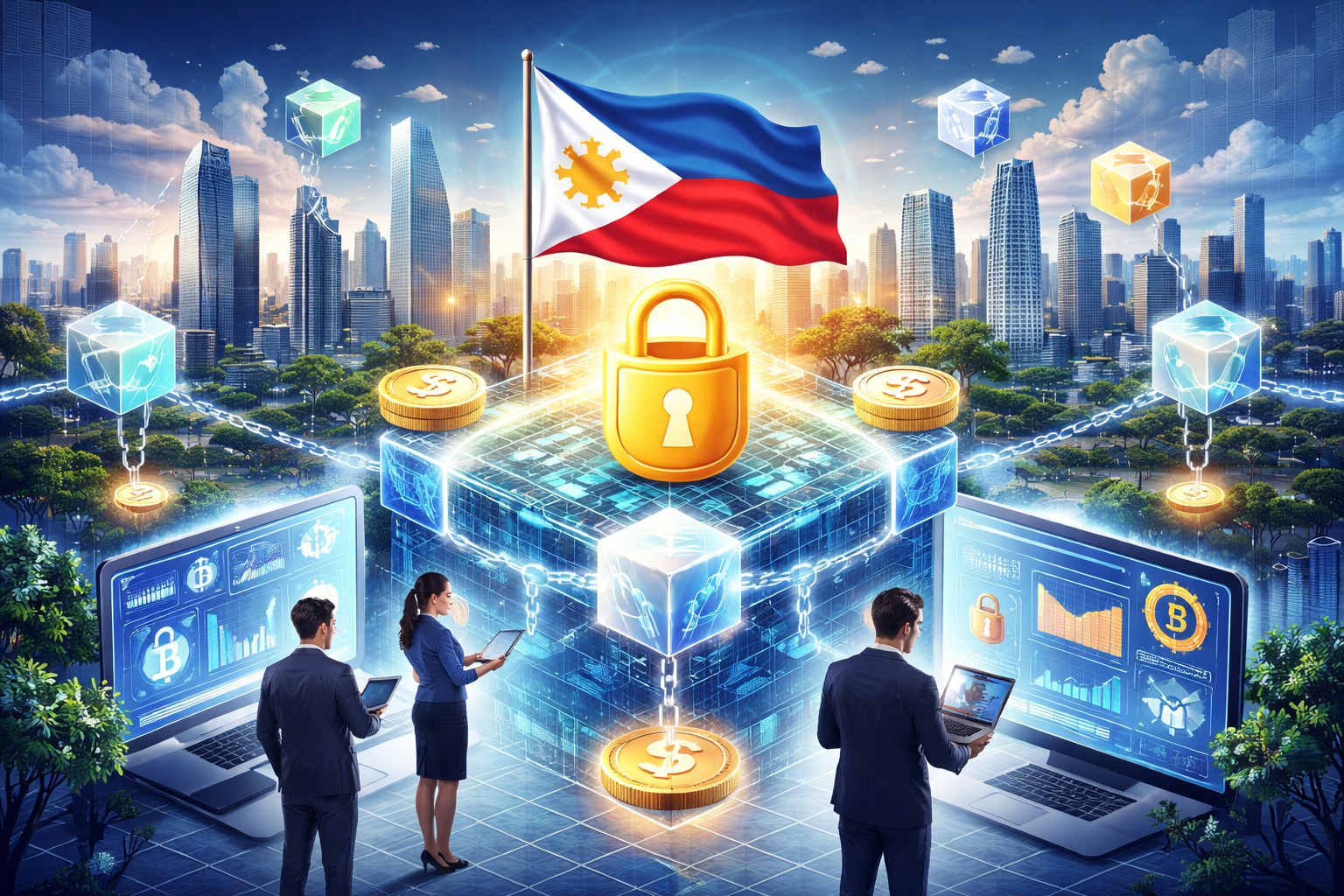
In recent years, the Philippines has witnessed significant growth in the adoption of blockchain technology across various industries, from finance to logistics. Blockchain, a decentralized and immutable digital ledger, holds vast potential in enhancing transparency, security, and efficiency in numerous sectors. However, as the technology continues to evolve, governments around the world, including the Philippines, have been tasked with crafting regulations that strike a balance between fostering innovation and safeguarding public interests. The introduction of new regulations concerning blockchain technology in the Philippines brings both opportunities and challenges, as these rules aim to shape the future of the sector.
Regulatory Landscape in the Philippines
The Philippines has been proactive in establishing a regulatory framework for emerging technologies. The country’s financial regulators, including the Securities and Exchange Commission (SEC) and the Bangko Sentral ng Pilipinas (BSP), have been at the forefront of regulating the blockchain and cryptocurrency ecosystem. The government’s approach towards blockchain has been relatively open, recognizing the potential benefits of this technology, such as financial inclusion, remittances, and efficient governance.
One notable regulation is the issuance of the Digital Asset Registration (DAR) framework, which primarily focuses on cryptocurrency exchanges and initial coin offerings (ICOs). The BSP has also provided guidelines for virtual asset service providers (VASPs), which includes exchanges, wallet providers, and custodians, to ensure that they comply with anti-money laundering (AML) and combating the financing of terrorism (CFT) standards. These regulations have contributed to a growing confidence in the blockchain space, especially among institutional investors.
However, as blockchain technology continues to gain traction, the regulatory environment has had to adapt to new challenges. For example, the SEC’s approach to classifying certain digital tokens as securities has sparked debates within the industry about how best to classify new types of digital assets, such as security tokens and utility tokens.
Key Impacts of New Blockchain Regulations
1. Promoting Trust and Legitimacy
One of the most significant impacts of new blockchain regulations in the Philippines is the enhancement of trust and legitimacy in the sector. By introducing clear guidelines and regulatory standards, the government aims to address concerns about fraud, money laundering, and other illicit activities. This increased transparency is critical for attracting both local and international investors, as it assures them that the Philippine blockchain ecosystem is governed by a well-defined legal framework.
Moreover, by creating a more structured environment, the government also provides blockchain startups and businesses with the legal certainty needed to operate without fear of sudden policy changes or regulatory crackdowns. This stability encourages the growth of blockchain-based projects and attracts foreign investments, fostering innovation and economic development.
2. Facilitating Innovation While Mitigating Risks
The Philippines has strategically positioned itself as a favorable environment for blockchain innovation. New regulations not only provide businesses with legal clarity but also allow regulators to monitor and mitigate potential risks. For instance, regulations surrounding cryptocurrencies aim to prevent illegal activities such as fraud, hacking, and money laundering while simultaneously fostering innovation in the sector. By instituting compliance requirements, the government can identify and address issues before they become systemic, ensuring that blockchain technology’s growth remains sustainable.
Moreover, these regulations also encourage the development of new blockchain applications that adhere to ethical standards. For example, blockchain’s use in supply chain management, healthcare, and governance is gaining momentum, and regulatory frameworks ensure that these innovations are secure, transparent, and legally compliant.
3. Challenges to Startups and Innovation
While regulations help to create a safer environment for blockchain technology in the Philippines, they can also impose challenges, particularly for new startups and small businesses. Strict regulatory requirements, such as those concerning anti-money laundering (AML) compliance and reporting, may increase operational costs and administrative burdens. Startups may struggle to comply with these regulations, especially when resources are limited.
Additionally, the uncertainty surrounding certain regulatory aspects—particularly the classification of tokens and initial coin offerings (ICOs)—can lead to ambiguity in how businesses should operate. The lack of clear and uniform standards for blockchain-based fundraising activities can deter some entrepreneurs from launching their projects, as they may be uncertain about which legal framework applies to their specific use case.
4. Enhancing Financial Inclusion
Blockchain has the potential to significantly enhance financial inclusion in the Philippines, where millions of individuals remain unbanked or underbanked. New regulations surrounding the use of blockchain for financial services, such as remittances, micro-lending, and digital identity management, have the ability to expand access to financial resources for underserved populations.
Blockchain technology enables faster and cheaper cross-border transactions, which is especially relevant for the Philippines, given its status as one of the largest remittance-receiving countries in the world. By creating a regulatory framework that supports blockchain-based financial services, the government can empower individuals and businesses in remote or underserved areas to access vital financial services without relying on traditional banking infrastructure.
5. Regulatory Clarity and Global Competitiveness
The development of a clear regulatory environment also strengthens the Philippines’ competitiveness in the global blockchain ecosystem. As other countries move forward with their own blockchain initiatives, the Philippines must ensure that it remains an attractive destination for blockchain-related investments and projects. A forward-thinking regulatory approach will position the Philippines as a leader in Southeast Asia in terms of blockchain adoption and innovation.
Countries with clear regulations have already demonstrated how blockchain can be harnessed for economic growth. The Philippines, through its evolving regulatory framework, can ensure it does not fall behind in this fast-moving technological race.
The Road Ahead
The Philippines’ approach to regulating blockchain technology will continue to evolve as new challenges and opportunities arise. While new regulations have provided much-needed clarity and structure, there remains a delicate balance to be struck between fostering innovation and ensuring consumer protection. The ongoing collaboration between regulators, industry players, and technologists will be crucial in shaping the future of blockchain in the Philippines, ensuring that the country remains at the forefront of this transformative technology.