
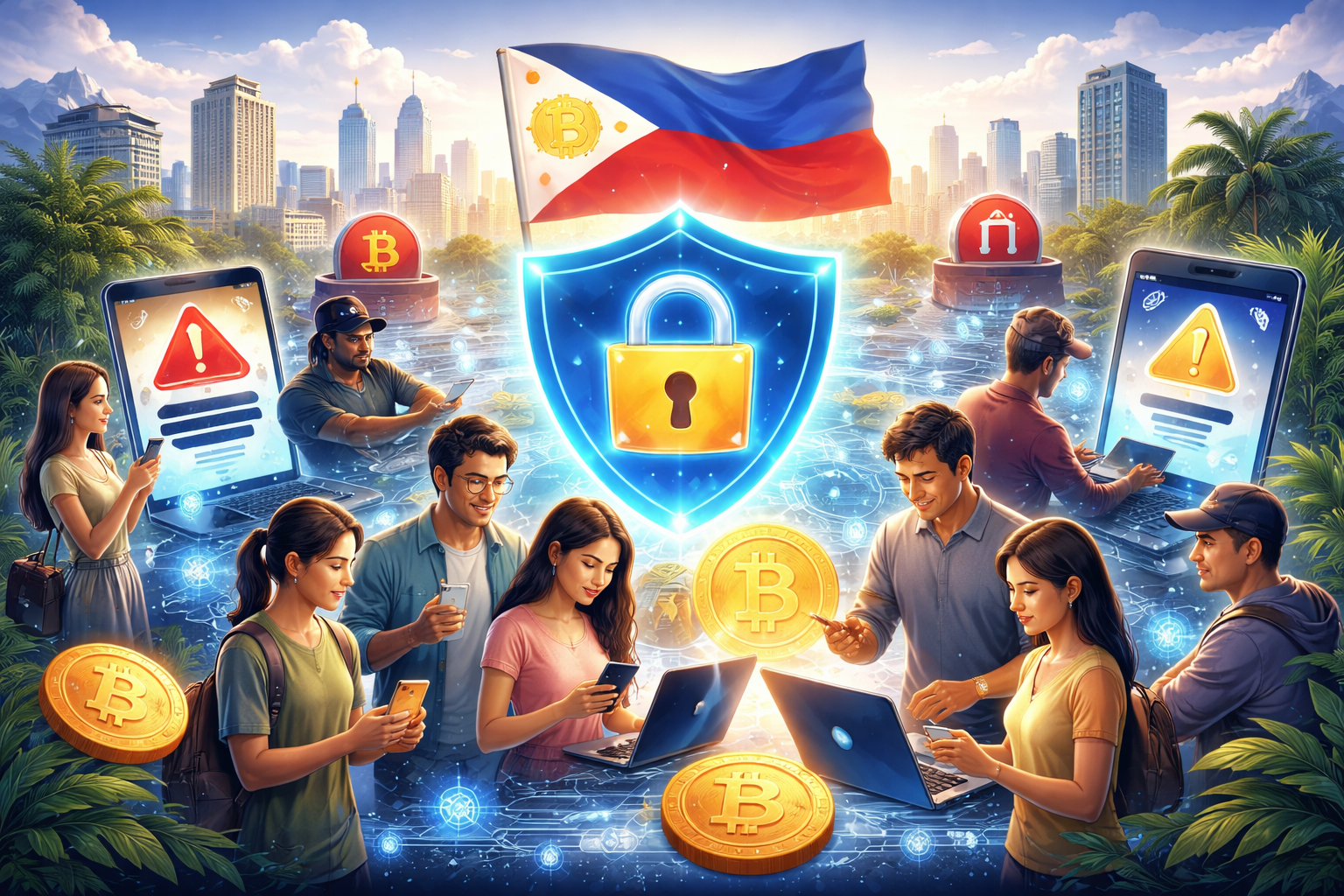
The Role of Crypto Communities in Enhancing Security and Tackling Fraud in the Philippines
The rise of cryptocurrency in the Philippines has generated widespread interest, with the country emerging as one of the leading players in Southeast Asia’s crypto landscape. From individual investors to businesses embracing blockchain technology, the Philippines is on the frontier of a financial revolution. However, as with any rapidly evolving technology, the rise of cryptocurrencies has come with its own set of challenges, particularly concerning security and fraud. In this context, crypto communities have played a crucial role in mitigating risks, improving security protocols, and combating fraudulent activities.
The Growing Popularity of Cryptocurrency in the Philippines
In recent years, cryptocurrency adoption in the Philippines has grown significantly. This can be attributed to various factors, such as the country’s relatively high rate of remittance flows, the increasing number of Filipinos working abroad, and the government’s progressive stance on blockchain technology. According to a 2020 report by the Philippine central bank (Bangko Sentral ng Pilipinas or BSP), the Philippines is one of the top countries in terms of cryptocurrency adoption. Furthermore, a large number of Filipinos have begun using cryptocurrencies for everyday transactions, investments, and remittances.
However, the rapid growth of the crypto space has also opened the door to an increase in fraudulent schemes and security threats. Scams like Ponzi schemes, phishing attacks, fake Initial Coin Offerings (ICOs), and unregulated crypto exchanges have exploited the lack of awareness and security vulnerabilities among users. This has created a need for more robust security measures and greater community involvement to protect crypto investors and enthusiasts from falling victim to such fraud.
The Role of Crypto Communities in Enhancing Security
Crypto communities play a significant role in fostering a secure environment for individuals and organizations engaging in cryptocurrency activities. These communities, typically formed through online forums, social media groups, and decentralized organizations, serve as platforms where users can exchange knowledge, report security threats, and provide support for others in the ecosystem. Here are some ways crypto communities are enhancing security in the Philippines:
- Knowledge Sharing and Awareness Building
One of the most vital functions of crypto communities is to raise awareness about the risks associated with cryptocurrencies. Through educational campaigns, webinars, and online discussions, community members share vital information on how to avoid falling for scams and frauds. Filipino crypto communities have been proactive in educating the public about identifying phishing attempts, fake investment schemes, and unreliable cryptocurrency exchanges. By spreading knowledge, they help create a more informed and vigilant community, reducing the number of individuals susceptible to fraud. - Peer-to-Peer Support Systems
Crypto communities offer peer-to-peer support systems that allow individuals to seek advice from more experienced users when faced with security concerns. In the Philippines, local online forums and social media platforms like Facebook, Twitter, and Telegram have become important resources for users to connect, share experiences, and help one another address security issues. This collaborative approach makes it easier for users to report suspicious activities and alert others about potential threats in the crypto ecosystem. - Promoting Best Practices for Security
Crypto communities often encourage the adoption of security best practices, such as using hardware wallets, enabling two-factor authentication (2FA), and practicing caution with private keys. For instance, local crypto enthusiasts and experts in the Philippines regularly discuss the importance of securing private keys, which are critical in accessing one’s cryptocurrency holdings. By promoting these best practices, communities reduce the likelihood of security breaches caused by negligence or lack of awareness.
Combating Fraud Through Collective Action
Fraud in the cryptocurrency space can take many forms, ranging from fake ICOs to pump-and-dump schemes. In the Philippines, where many people are still new to cryptocurrency, these fraudulent activities are particularly dangerous. Crypto communities have been instrumental in identifying and exposing fraudulent projects, protecting both novice and experienced users from falling victim to scams.
- Exposing Scams and Fraudulent Projects
In many instances, crypto communities are the first to identify fraudulent ICOs or suspicious cryptocurrency projects. Through collective research and discussions, community members often uncover red flags such as unrealistic promises of high returns, anonymous teams, or a lack of transparency. Once such schemes are identified, members of the community often take swift action to warn others, share their findings on social media, and report suspicious projects to regulatory authorities. In some cases, these efforts have led to legal investigations and crackdowns on fraudulent actors. - Regulatory Advocacy
Another crucial way that crypto communities contribute to tackling fraud in the Philippines is by advocating for regulatory frameworks that protect users from fraudulent activities. Crypto communities often work with regulators and policymakers to encourage the development of laws and regulations that ensure the safe and transparent operation of cryptocurrency exchanges and other crypto-related businesses. The Philippine government, for example, has implemented several regulatory measures such as the issuance of the Digital Asset Exchange (DAX) guidelines to prevent illegal activities within the crypto space. - Community-Driven Reporting Systems
Some crypto communities have also developed platforms for reporting suspicious activities. For example, certain decentralized exchanges (DEXs) and blockchain-based platforms allow users to flag potentially fraudulent accounts or transactions. These platforms create an environment of accountability, where users can collaborate to identify fraudulent behavior, while also keeping track of scammers’ tactics and profiles. The continuous reporting and sharing of fraud-related information helps prevent scammers from exploiting new targets.
Conclusion
The role of crypto communities in the Philippines in enhancing security and tackling fraud is indispensable. By fostering an environment of education, collaboration, and vigilance, these communities have helped mitigate some of the inherent risks associated with cryptocurrencies. As the Philippines continues to embrace blockchain and digital currencies, it is clear that the crypto community will remain a cornerstone in the fight against fraud and in the pursuit of a safer, more secure digital financial ecosystem.