
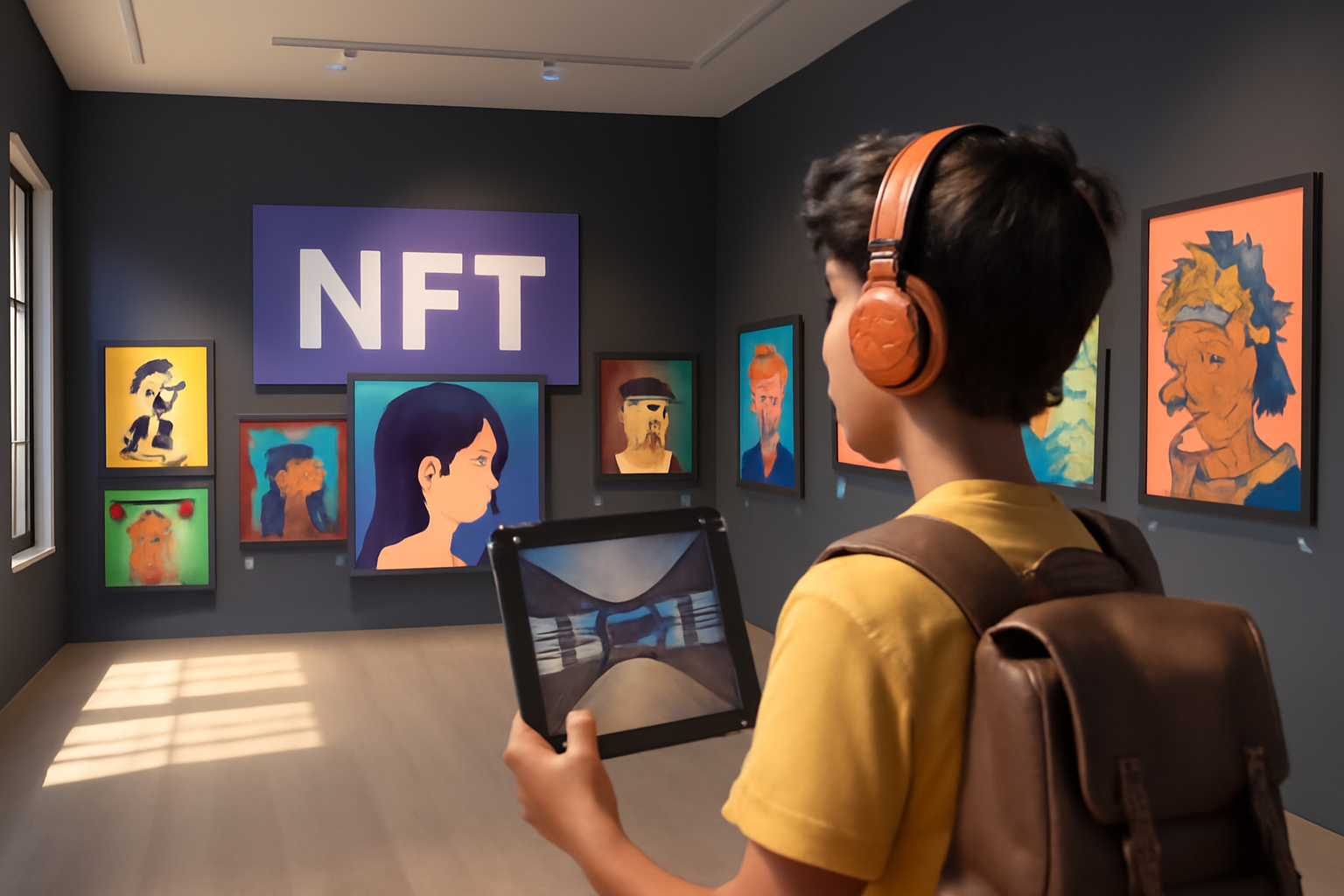
In recent years, the world of art has undergone a remarkable transformation, driven by the rise of blockchain technology and the advent of Non-Fungible Tokens (NFTs). Artists, collectors, and enthusiasts are embracing these innovations to create and experience art in new and exciting ways. In the Philippines, a country known for its rich cultural heritage and growing tech scene, the combination of NFTs and virtual experiences is presenting fresh opportunities for artists and entrepreneurs. The concept of a digital art gallery that exists entirely in the virtual realm is gaining traction, providing a platform for Filipino artists to showcase their work globally, and offering visitors a novel way to interact with art.
What Are NFTs and How Do They Relate to Digital Art?
NFTs, or Non-Fungible Tokens, are unique digital assets stored on a blockchain, which is a decentralized digital ledger. Unlike cryptocurrencies such as Bitcoin or Ethereum, NFTs are non-interchangeable, meaning each token represents a one-of-a-kind item. In the context of art, NFTs enable artists to sell their works in a digital format while ensuring their originality and ownership.
When an artwork is tokenized as an NFT, it is associated with a unique digital signature recorded on the blockchain. This makes it possible to trace the ownership history of the artwork and verify its authenticity. For artists in the Philippines, this provides an opportunity to monetize digital art in ways that were previously unimaginable. Artists can sell their work directly to collectors, bypassing traditional galleries or auction houses, and maintaining greater control over their creations.
The Growth of Virtual Art Galleries in the Philippines
As the NFT market continues to grow globally, the Philippines is emerging as an exciting hub for digital art. With its vibrant art scene, a large population of tech-savvy young people, and increasing internet penetration, the country is well-positioned to leverage NFTs and virtual galleries.
One of the primary advantages of virtual galleries is that they transcend geographical boundaries. In a traditional physical gallery, visitors must travel to view the artwork, which can limit access to art exhibitions. Virtual galleries, on the other hand, can be accessed from anywhere in the world, allowing Filipino artists to reach a global audience without the constraints of physical space. This opens up new possibilities for collaborations, sales, and international recognition.
In addition to providing a platform for showcasing NFT art, virtual galleries offer immersive experiences that go beyond static images on a screen. Many virtual galleries are designed as 3D environments, where visitors can “walk” through the gallery, interact with the art, and even attend live events such as artist talks or virtual openings. This creates an engaging, interactive experience that adds value to the artwork, making it feel more like a living, breathing part of the digital world.
Leveraging the Power of NFTs for Filipino Artists
For Filipino artists, NFTs offer a new way to monetize their work while maintaining ownership. Many artists in the country are using NFTs to tokenize their digital paintings, illustrations, animations, and even music. This process allows them to sell their work directly to collectors, who receive a unique, verifiable piece of art.
Moreover, NFTs also offer artists a way to generate ongoing income through royalties. Every time an NFT is resold, the original artist can receive a percentage of the sale. This feature is especially beneficial for Filipino artists who may struggle to secure traditional gallery representation or who face limitations in accessing international art markets. With NFTs, artists can continue to benefit from the increasing value of their work, even after it has been sold.
The decentralized nature of blockchain technology also ensures that Filipino artists are not reliant on centralized platforms or intermediaries. They can list their art directly on NFT marketplaces such as OpenSea, Rarible, or Foundation, giving them the autonomy to manage their sales and interactions with buyers.
Challenges and Opportunities for the Philippine NFT Art Scene
Despite the exciting potential of NFTs and virtual galleries, there are still challenges to overcome. The environmental impact of blockchain transactions, particularly in terms of energy consumption, has been a topic of concern in the broader NFT space. However, many NFT platforms are now transitioning to more energy-efficient blockchain systems, such as Ethereum’s shift to Proof of Stake, which could alleviate some of these concerns.
Additionally, the Filipino art market is still in the early stages of fully embracing NFTs and virtual experiences. While the interest is growing, there may still be a gap in understanding and trust among traditional art collectors, many of whom may not be familiar with blockchain technology or the value of digital art. Education and outreach will be crucial in bridging this gap and ensuring that NFT art reaches a wider audience.
That being said, the opportunities for digital art in the Philippines are vast. With the country’s vibrant arts community and growing interest in technology, NFTs and virtual galleries present a unique way to promote Filipino culture to the world. By creating digital art galleries that feature both traditional and contemporary Filipino works, artists can showcase their talent to a global audience while embracing the future of the art world.
The Future of NFTs and Virtual Galleries in the Philippines
As the NFT space continues to evolve, it is likely that virtual galleries in the Philippines will become an increasingly important platform for Filipino artists. With the potential for global reach, direct monetization, and the ability to engage audiences in innovative ways, NFTs offer a transformative way forward for the art world.
The future of Filipino digital art is bright, with more galleries, artists, and collectors embracing the opportunities presented by NFTs and virtual experiences. As this movement grows, the Philippines may well become a leading player in the global digital art scene, providing a rich, diverse landscape of virtual galleries for art lovers and creators around the world to explore.