
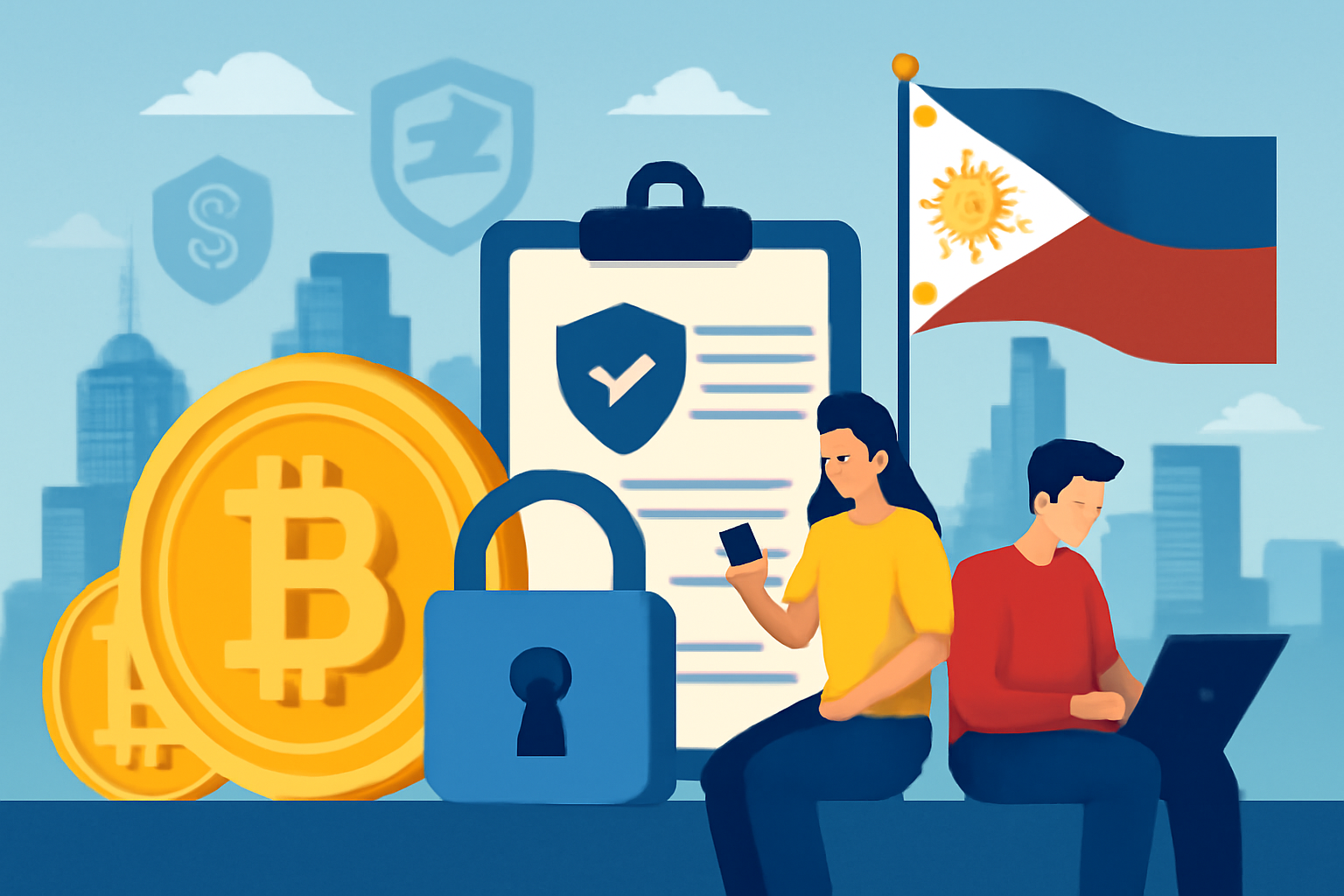
In recent years, cryptocurrencies have emerged as a powerful force in the global financial landscape. The Philippines, with its growing interest in digital assets and blockchain technology, has witnessed both the promise and challenges associated with the rise of crypto. The country has become a hub for crypto enthusiasts, investors, and businesses due to its relatively open approach to digital currencies. However, with the expansion of cryptocurrency usage comes the increasing concern about security and the risk of fraud. This article delves into the impact of crypto regulations in the Philippines on these two critical issues: security and fraud.
Crypto Regulations in the Philippines: A Brief Overview
The Philippines has been proactive in addressing the rise of cryptocurrencies and related technologies. The government, through its regulatory bodies like the Bangko Sentral ng Pilipinas (BSP), has implemented frameworks to manage the usage of digital assets and related activities. The BSP issued regulations for Virtual Asset Service Providers (VASPs) in 2017, which mandated that cryptocurrency exchanges and wallet providers register with the central bank. These regulations aim to ensure the legitimacy of crypto businesses and protect consumers from potential risks.
Additionally, the Securities and Exchange Commission (SEC) in the Philippines has also been involved in regulating initial coin offerings (ICOs) and other investment schemes related to cryptocurrencies. The government’s approach has largely been one of balancing innovation with consumer protection, which is crucial in a rapidly evolving sector such as cryptocurrency.
Impact of Crypto Regulations on Security
The implementation of crypto regulations in the Philippines has had a significant impact on the overall security of digital assets. On one hand, the regulations have helped legitimize the industry, creating a safer environment for both investors and businesses. By requiring VASPs to register with the BSP, regulators ensure that only licensed entities operate in the market. This step has helped to reduce the prevalence of shady operators and increase transparency in the sector.
Moreover, regulatory frameworks also require crypto businesses to implement stringent security measures. For example, VASPs are mandated to adopt Know Your Customer (KYC) protocols and Anti-Money Laundering (AML) policies. These measures not only reduce the chances of illegal activities, such as money laundering, but also enhance the overall security of transactions, making it harder for bad actors to exploit the system.
However, there are challenges in enforcing these regulations. While the regulations provide a safety net, they cannot entirely eliminate the risks associated with cryptocurrency trading. Many security threats still exist, such as hacking and phishing attacks, which can lead to the loss of funds for users. Despite the best efforts of regulated exchanges to secure their platforms, the decentralized nature of cryptocurrencies means that the responsibility of securing digital assets ultimately falls on individual users as well.
Crypto Regulations and Fraud Prevention
Crypto-related fraud has been a significant concern in the Philippines, especially as the adoption of digital currencies increases. Fraudsters often exploit the lack of understanding of cryptocurrencies, offering fraudulent investment schemes that promise high returns. In some cases, unregulated exchanges and individuals operate outside of the legal framework, making it difficult for victims to seek legal recourse.
The introduction of crypto regulations in the Philippines has helped to curb some of these fraudulent activities. By requiring VASPs to comply with regulations that emphasize transparency, these measures reduce the likelihood of fraudulent operations going undetected. Crypto companies are also now required to disclose certain information about their operations, including their financial stability and operational processes, which helps potential investors make informed decisions.
However, fraud remains a persistent issue, particularly in the area of Ponzi schemes and fake ICOs. While regulations help to establish a framework for safe operations, fraudsters continue to find new ways to exploit the system. The rapid evolution of the cryptocurrency industry, combined with the relatively low level of awareness about crypto among the general public, makes it a fertile ground for scammers. The lack of financial literacy in some segments of the population further exacerbates the problem.
One of the challenges regulators face is keeping up with the constantly changing landscape of cryptocurrency. Fraudulent actors can easily shift their tactics to stay one step ahead of enforcement efforts. For example, decentralized finance (DeFi) platforms and tokenized assets are areas where fraud can flourish, as these platforms operate without centralized authority and may not always be subject to the same level of regulatory scrutiny as traditional exchanges.
Addressing the Challenges: Moving Forward
While the regulatory environment in the Philippines has improved over time, challenges remain in ensuring the security of cryptocurrencies and minimizing fraud. One of the key areas that require attention is increasing public awareness and financial literacy regarding digital assets. With better education, individuals can avoid falling victim to scams and make informed decisions when engaging with cryptocurrencies.
Another area for improvement is enhancing collaboration between regulators, the private sector, and international bodies. Cryptocurrency is a global phenomenon, and as fraudsters operate across borders, a cooperative, international regulatory approach is essential to combat fraud effectively. The Philippines, by strengthening its regulatory frameworks and partnering with global organizations, can better protect consumers and ensure a more secure environment for crypto transactions.
In summary, crypto regulations in the Philippines have made strides in improving the security of digital assets and curbing fraud. However, there is still work to be done to fully address the challenges posed by the rapidly evolving crypto landscape. By continuing to refine regulations, raise awareness, and foster global collaboration, the Philippines can further secure its position as a leader in the crypto space while safeguarding its citizens from fraud and security risks.