
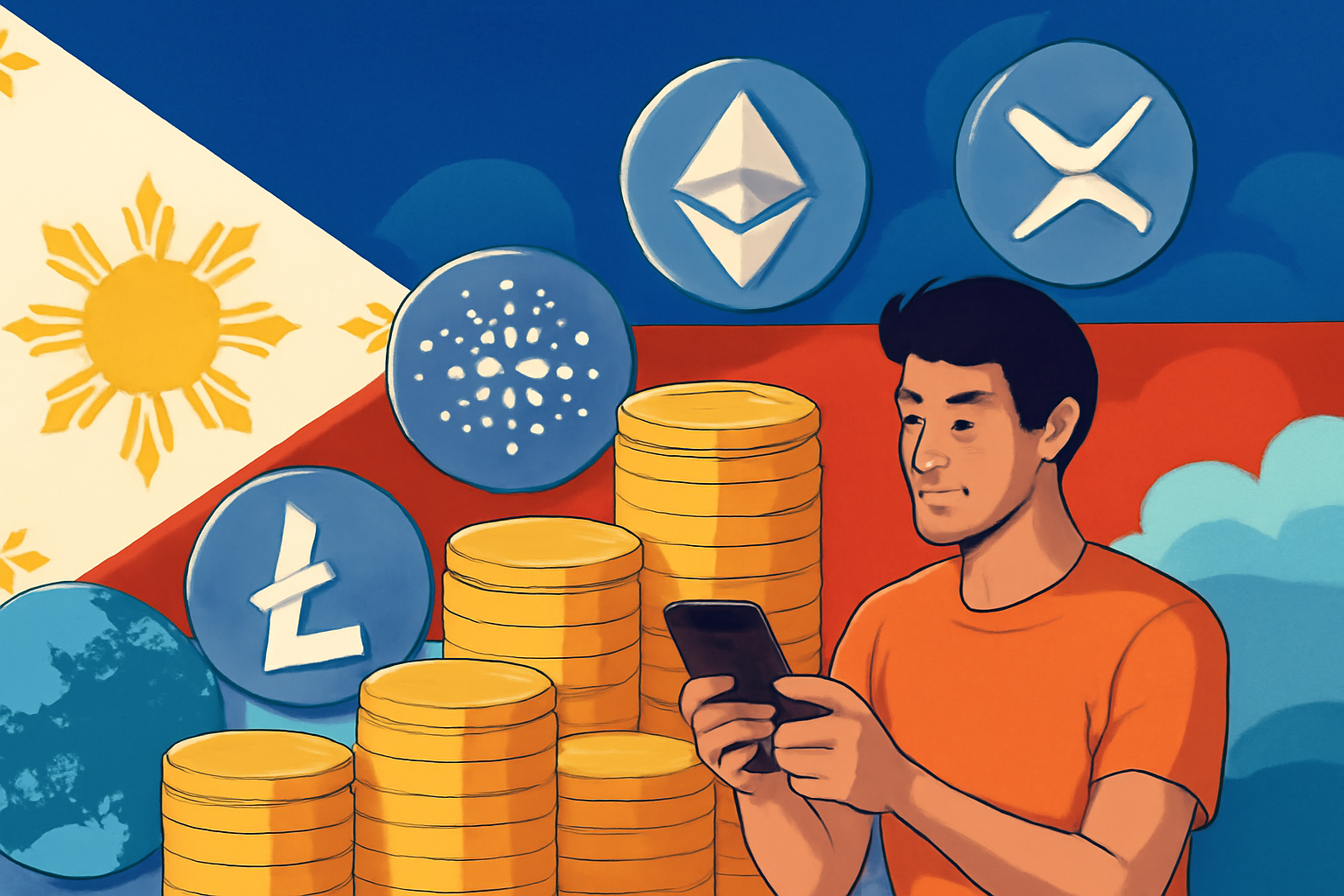
Cryptocurrency has become one of the most dynamic and rapidly evolving sectors in global finance, with altcoins playing an increasingly prominent role. In the Philippines, a nation known for its vibrant tech-savvy population and a growing interest in blockchain technology, the altcoin market has seen significant expansion. As digital currencies continue to gain momentum, it’s crucial to examine the development of altcoins in the Philippines, the factors driving their rise, and what the future holds for these digital assets in the region.
Growth of Altcoins in the Philippines
The Philippines has long been recognized as one of the leading countries in Southeast Asia when it comes to cryptocurrency adoption. According to recent studies, Filipinos are among the highest adopters of digital currencies globally, driven by remittance flows, an evolving regulatory environment, and increasing access to mobile technology.
Altcoins, which refer to any cryptocurrency other than Bitcoin, have become increasingly popular in the Philippines due to their potential for higher returns and technological innovations. While Bitcoin remains the most well-known cryptocurrency, altcoins such as Ethereum (ETH), Ripple (XRP), and Litecoin (LTC) have carved out substantial niches in the country. A major factor contributing to their rise is the relatively low barrier to entry, as altcoins often have lower prices and more accessible trading opportunities compared to Bitcoin.
Additionally, the Philippines has experienced an increase in the number of cryptocurrency exchanges and platforms offering altcoin trading. Platforms like Coins.ph, PDAX, and Binance have become staples in the market, providing easy-to-use interfaces for users to buy, sell, and trade altcoins. The rise of decentralized finance (DeFi) platforms and the increasing mainstream awareness of cryptocurrencies also play a significant role in boosting the popularity of altcoins in the country.
Factors Influencing the Rise of Altcoins in the Philippines
Several factors are driving the popularity of altcoins in the Philippines. One of the most significant influences is the rise of remittances. The Philippines is one of the top recipients of remittances globally, with millions of Filipinos working abroad. Cryptocurrencies, especially altcoins, provide a cheaper, faster, and more efficient way for overseas Filipino workers (OFWs) to send money home. As cryptocurrencies become more accepted and accessible, the use of altcoins for remittances continues to increase, further propelling their demand.
Another key factor contributing to the altcoin boom is the regulatory environment in the Philippines. The country’s Securities and Exchange Commission (SEC) and the Bangko Sentral ng Pilipinas (BSP) have taken a relatively open stance toward cryptocurrency, promoting innovation while ensuring consumer protection. This regulatory clarity has allowed the cryptocurrency market to thrive, with local businesses and financial institutions increasingly incorporating blockchain technology and altcoin-based solutions into their operations.
Moreover, the Philippine government has expressed interest in leveraging blockchain and cryptocurrency to improve public services and enhance transparency, signaling that the industry is on a promising trajectory. The country’s continued investments in technological infrastructure and the growing number of blockchain startups are also fueling the growth of altcoins, as new projects and use cases emerge.
Predicted Trends for Altcoins in the Philippines
Looking to the future, there are several key trends that are likely to influence the development of altcoins in the Philippines.
- Increased Adoption of DeFi Projects: The rise of decentralized finance (DeFi) platforms globally has garnered attention, and the Philippines is no exception. As Filipinos become more familiar with the concept of decentralized finance—where financial services are provided without intermediaries like banks—altcoins related to DeFi platforms, such as Ethereum (ETH) and Binance Coin (BNB), are expected to see significant growth. DeFi offers the promise of more accessible and inclusive financial services, which is particularly appealing in a country where financial inclusion remains a key challenge.
- Integration of Stablecoins for Daily Transactions: Stablecoins, such as USDT (Tether) and USDC, which are pegged to traditional currencies, are expected to gain more traction in the Philippines. Their relatively stable value makes them ideal for daily transactions, remittances, and even as a hedge against inflation, a concern in many emerging economies. The adoption of stablecoins could increase significantly as more Filipinos turn to crypto as a means of securing their wealth and making daily transactions more efficient.
- Expansion of Local and International Partnerships: As altcoins become more integrated into everyday life, partnerships between cryptocurrency companies and local businesses are expected to grow. Retailers, service providers, and even government agencies could start accepting altcoins as a form of payment. International partnerships could also see altcoins being used for cross-border payments, further cementing the role of altcoins in the Philippines’ digital economy.
- Increased Focus on Sustainability: Environmental concerns regarding energy-intensive cryptocurrencies like Bitcoin have led many investors and users to explore eco-friendly alternatives. In the Philippines, where natural disasters and climate change are significant issues, the demand for altcoins that prioritize sustainability—such as Cardano (ADA) or Polkadot (DOT)—is likely to rise. These coins often focus on energy-efficient consensus mechanisms, making them more appealing to environmentally-conscious investors.
- Growing Educational Initiatives: The rise of altcoins in the Philippines will also be bolstered by increased efforts to educate the public about cryptocurrency and blockchain technology. Both private and public institutions are recognizing the importance of financial literacy in driving mass adoption of digital assets. Cryptocurrency workshops, online courses, and government-backed initiatives will likely play an important role in educating Filipinos on how to safely and effectively use altcoins in their daily lives.
The Future Outlook
The future of altcoins in the Philippines looks promising. With strong regulatory support, an increasing focus on financial inclusion, and a tech-savvy population, the country is poised to become a hub for cryptocurrency innovation in Southeast Asia. Altcoins are expected to continue their growth as they provide alternatives to traditional financial systems, offer new investment opportunities, and enable greater financial autonomy for individuals. As the market matures, the potential for altcoins to revolutionize various industries—from remittances to decentralized finance and beyond—remains a compelling prospect for the Philippines.