
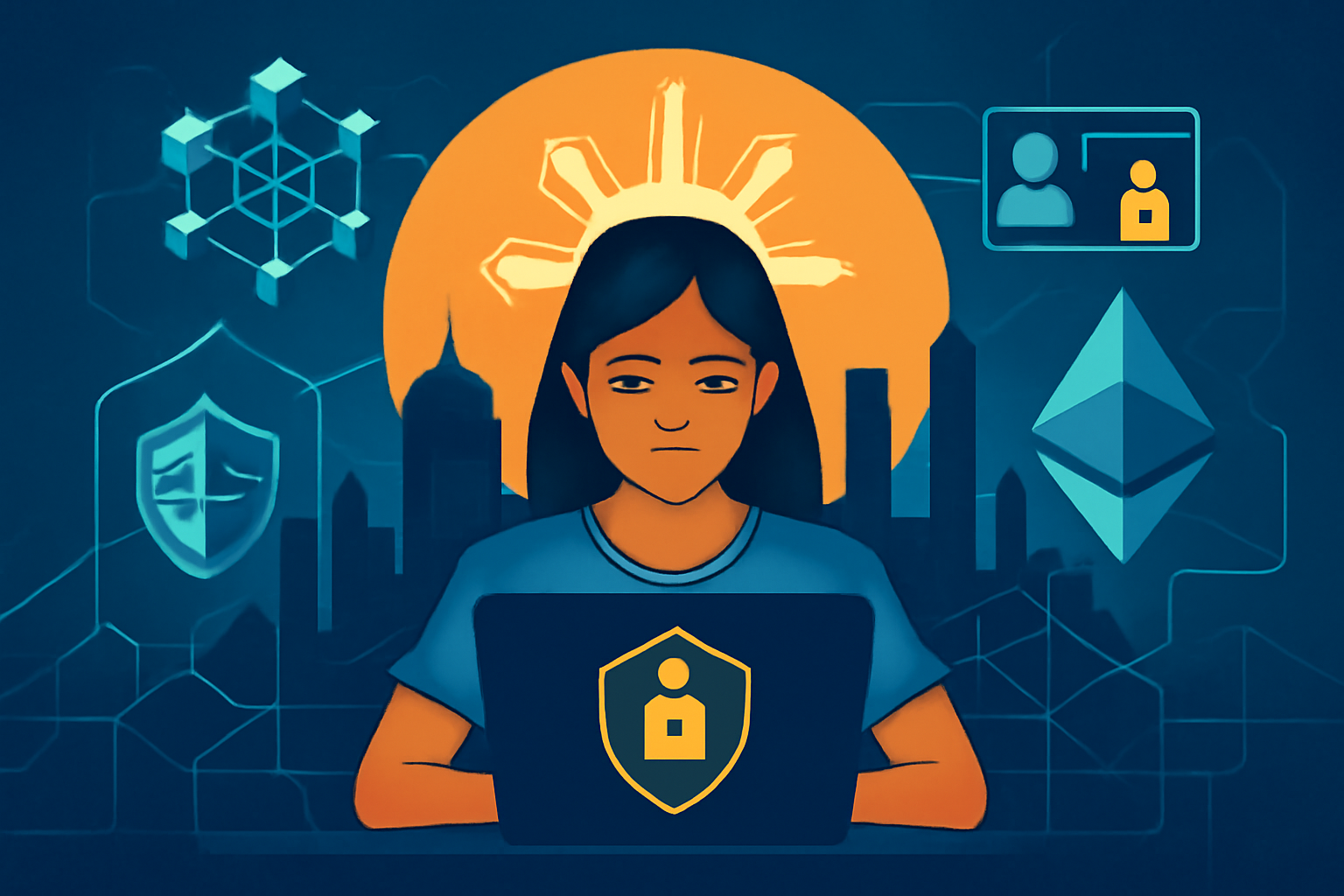
As the digital landscape evolves, particularly with the rise of Web3 technologies, the Philippines faces increasing challenges in ensuring data privacy and security. Web3, the decentralized internet based on blockchain technology, promises a new era of transparency, autonomy, and trust. However, as with any transformative technology, it brings unique hurdles, particularly in the realm of digital privacy. In this article, we delve into the intersection of Web3 and digital privacy, exploring how the Philippines is navigating these complexities in the context of its emerging digital economy.
Understanding Web3 and Digital Privacy
Web3 represents a fundamental shift from the centralized web model, offering a decentralized infrastructure for internet applications. It relies on blockchain technology to empower users with control over their data and digital identities. This contrasts with Web2, where users’ data is primarily controlled by centralized entities such as tech giants.
The concept of digital privacy in Web3 is closely tied to the notion of self-sovereign identity. Individuals in a Web3 environment are granted more control over their personal information, deciding what data is shared and with whom. This system relies on cryptographic techniques, decentralized storage solutions, and peer-to-peer networks to ensure that data is secure and private.
Despite its promise, Web3 presents significant challenges, particularly for countries like the Philippines. The complexities of blockchain technology, combined with the lack of regulatory frameworks, create potential vulnerabilities for personal data. This makes it essential for governments, businesses, and users to work together to address data security concerns.
The Philippine Digital Landscape
The Philippines is one of the fastest-growing digital economies in Southeast Asia. With a large and young internet-savvy population, the country has become a hotspot for digital innovation and cryptocurrency adoption. The rise of Web3 technologies such as decentralized finance (DeFi), non-fungible tokens (NFTs), and blockchain-based applications have found fertile ground in the Philippines.
However, the country also faces a range of digital privacy and security issues. Data breaches, cyberattacks, and identity theft are growing concerns, exacerbated by the rapid digitalization of various sectors, including finance, healthcare, and education. The rise of Web3 adds another layer of complexity to the already challenging task of safeguarding data in an increasingly interconnected world.
Data Privacy Regulations in the Philippines
To address the growing concerns over data privacy, the Philippine government has enacted several laws aimed at protecting citizens’ personal information. The most notable of these is the Data Privacy Act of 2012 (Republic Act No. 10173), which established the National Privacy Commission (NPC) to regulate the processing of personal data and ensure compliance with privacy standards. The act applies to both public and private entities handling personal data, ensuring that organizations implement security measures to protect citizens’ privacy.
However, the Data Privacy Act primarily focuses on centralized systems, such as those managed by corporations and government entities. The decentralized nature of Web3 technologies creates new challenges that the current legal framework does not fully address. The anonymity and decentralization inherent in Web3 mean that there is no central authority to hold accountable in case of data breaches or misuse of personal information.
The Philippine government has recognized the need for updated regulations to cope with the growing influence of blockchain and Web3. In recent years, lawmakers have begun exploring ways to integrate emerging technologies into existing legal frameworks. For instance, the Securities and Exchange Commission (SEC) has issued guidelines for the regulation of digital assets like cryptocurrencies and NFTs. The Central Bank of the Philippines (Bangko Sentral ng Pilipinas) is also working to integrate blockchain technology into the country’s financial sector.
Addressing the Challenges of Web3 in the Philippines
As the Philippines embraces Web3 technologies, it must confront several significant challenges related to data privacy and security.
1. Lack of Clear Regulations for Decentralized Systems
Web3’s decentralized nature means that users have more control over their personal data. However, this also means that there is no centralized entity to oversee or protect users’ information. The Philippine government needs to develop a comprehensive regulatory framework that addresses both decentralized applications and blockchain-based solutions while protecting users’ rights.
2. Data Sovereignty and Identity Protection
One of the core principles of Web3 is user empowerment through self-sovereign identities. While this model offers greater privacy control, it also introduces risks if individuals lose access to their cryptographic keys or are unaware of how to secure their digital identities. Public education campaigns on how to manage digital assets and identities are crucial to ensure users do not inadvertently expose themselves to data theft or fraud.
3. Cybersecurity Threats
As with any new technology, Web3 faces the risk of cybersecurity breaches. Blockchain networks, while inherently secure, are not immune to attacks such as hacking, phishing, or exploitation of smart contract vulnerabilities. In the Philippines, the rapid adoption of Web3 services without proper cybersecurity safeguards could lead to significant data breaches.
4. Lack of Digital Literacy
Although the Philippines has a young, tech-savvy population, there is still a considerable gap in digital literacy. Many users may not fully understand the implications of decentralization or the importance of securing their personal data in Web3 ecosystems. Governments and businesses need to invest in educating citizens on the risks and responsibilities of using blockchain-based technologies.
The Future of Data Privacy in the Philippines
Looking ahead, the Philippines has an opportunity to become a leader in Web3 adoption while ensuring robust data privacy protections. By developing a balanced regulatory framework that addresses both innovation and security, the country can create a safer digital environment. Collaborative efforts between government agencies, the private sector, and Web3 communities are essential in building a more secure and privacy-respecting digital economy.
As Web3 continues to evolve, it is crucial that the Philippines adapts its approach to data privacy, keeping pace with the technological advancements and emerging threats. With the right policies and strategies in place, the country can harness the potential of Web3 while safeguarding the personal data of its citizens.