
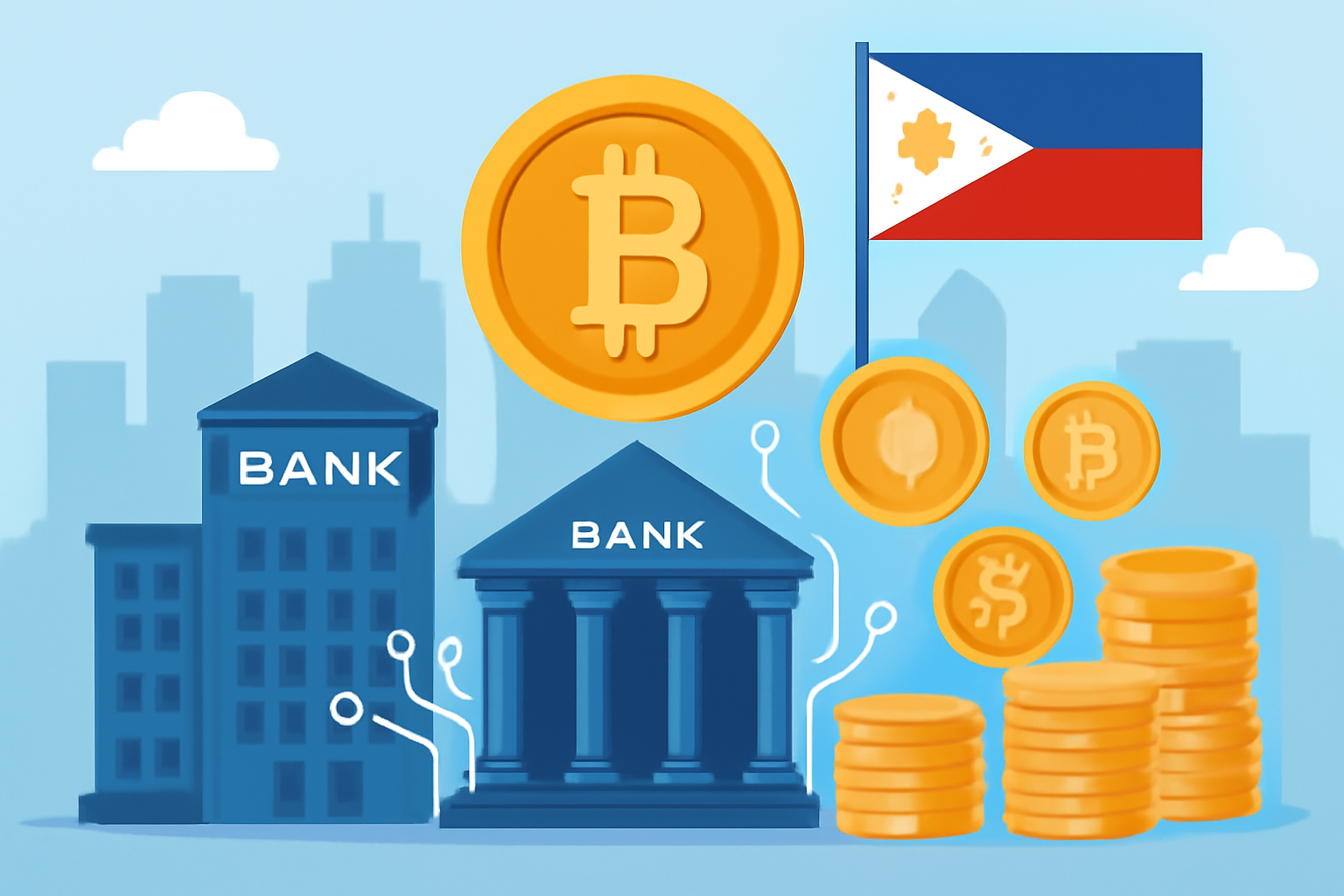
The cryptocurrency landscape in the Philippines has undergone rapid evolution in recent years, with increasing participation from financial institutions. As blockchain technology and digital assets continue to grow in significance, the role of traditional financial institutions in the crypto market has emerged as a critical factor shaping its future. This article examines the impacts of financial institutions’ involvement on the Philippine crypto market, exploring both positive and negative outcomes, as well as the broader implications for consumers, businesses, and regulators.
1. Financial Institutions’ Entry into the Crypto Market
Historically, cryptocurrencies were seen as niche assets, largely driven by individuals and decentralized networks. However, financial institutions, including banks, payment providers, and investment firms, have begun to show interest in the sector, bringing new legitimacy and capital to the market. In the Philippines, the government’s proactive stance on regulating cryptocurrency has made it more attractive to these institutions. The Philippines’ central bank, Bangko Sentral ng Pilipinas (BSP), has implemented a regulatory framework that facilitates crypto businesses, ensuring that financial institutions can operate in this space while safeguarding against fraud and money laundering.
Banks like UnionBank have already launched initiatives, such as crypto trading platforms, allowing customers to buy, sell, and store digital assets. Other institutions, such as the Philippine National Bank (PNB) and RCBC, have started exploring blockchain technology for remittance and cross-border payments. This involvement enhances the accessibility of cryptocurrencies and improves consumer confidence in digital assets.
2. Benefits to the Crypto Market
One of the most significant impacts of financial institutions entering the Philippine crypto market is the increased legitimacy it lends to digital assets. The backing of established financial entities provides consumers and businesses with a sense of security, knowing that crypto transactions are being processed through recognized, regulated channels. This shift is crucial in combating the skepticism surrounding the volatility and risks typically associated with cryptocurrencies.
Furthermore, financial institutions can bring technological expertise and infrastructure to the table. For instance, banks can integrate cryptocurrency exchanges and payment solutions into their existing platforms, making it easier for Filipinos to use digital currencies in daily transactions. This opens up new possibilities for the use of cryptocurrencies in sectors such as retail, real estate, and remittance, enhancing their role as a viable alternative to traditional financial systems.
The involvement of financial institutions also fosters innovation in the development of blockchain applications. For example, banks are increasingly exploring how decentralized finance (DeFi) platforms can be leveraged for lending, borrowing, and asset management. As these institutions experiment with blockchain and smart contracts, they contribute to the overall advancement of crypto technologies and use cases in the Philippines.
3. Challenges and Risks
Despite the numerous benefits, the involvement of financial institutions in the Philippine crypto market is not without its challenges. One of the primary concerns is regulatory uncertainty. While the BSP has made significant strides in regulating cryptocurrencies, the legal framework surrounding the sector is still evolving. As such, financial institutions may face difficulties in navigating the complexities of crypto regulations, especially as the global regulatory environment continues to tighten.
Moreover, the risk of fraud and market manipulation remains a significant issue. While the involvement of banks and financial institutions can mitigate some of these risks by providing oversight and transparency, the crypto market is still highly volatile and prone to speculation. This volatility can lead to losses for investors, especially those who are not well-versed in the nuances of digital assets. Additionally, the decentralized nature of crypto markets means that institutions may struggle to fully monitor or control the activities taking place within them.
Another challenge is the potential for increased government oversight. As financial institutions become more integrated into the crypto ecosystem, governments may impose stricter regulations, especially in areas such as anti-money laundering (AML) and know-your-customer (KYC) compliance. While these regulations are designed to protect investors and prevent illegal activities, they could stifle innovation or discourage smaller players from entering the market.
4. The Future of the Crypto Market in the Philippines
Looking ahead, the role of financial institutions in the Philippine crypto market will likely continue to expand. As more banks and fintech companies embrace blockchain technology, the country could see a shift toward more widespread adoption of digital currencies in both consumer and business transactions. This could drive further economic inclusion, particularly for the unbanked population, who could benefit from the lower costs and enhanced accessibility that crypto provides.
Moreover, the government is likely to continue refining its regulatory framework, balancing the need for consumer protection with fostering innovation. The Philippines’ position as a hub for cryptocurrency development in Southeast Asia could be solidified if the country successfully integrates traditional financial institutions into the digital asset ecosystem.
In this evolving landscape, the collaboration between financial institutions and crypto enterprises will be key to the industry’s long-term success. By working together, these players can foster a more secure, transparent, and efficient cryptocurrency market, benefitting all stakeholders involved—from consumers to businesses and beyond.
As the crypto industry matures, the intersection of traditional finance and blockchain technology promises to open up exciting new opportunities, solidifying the Philippines’ place in the global cryptocurrency revolution.