
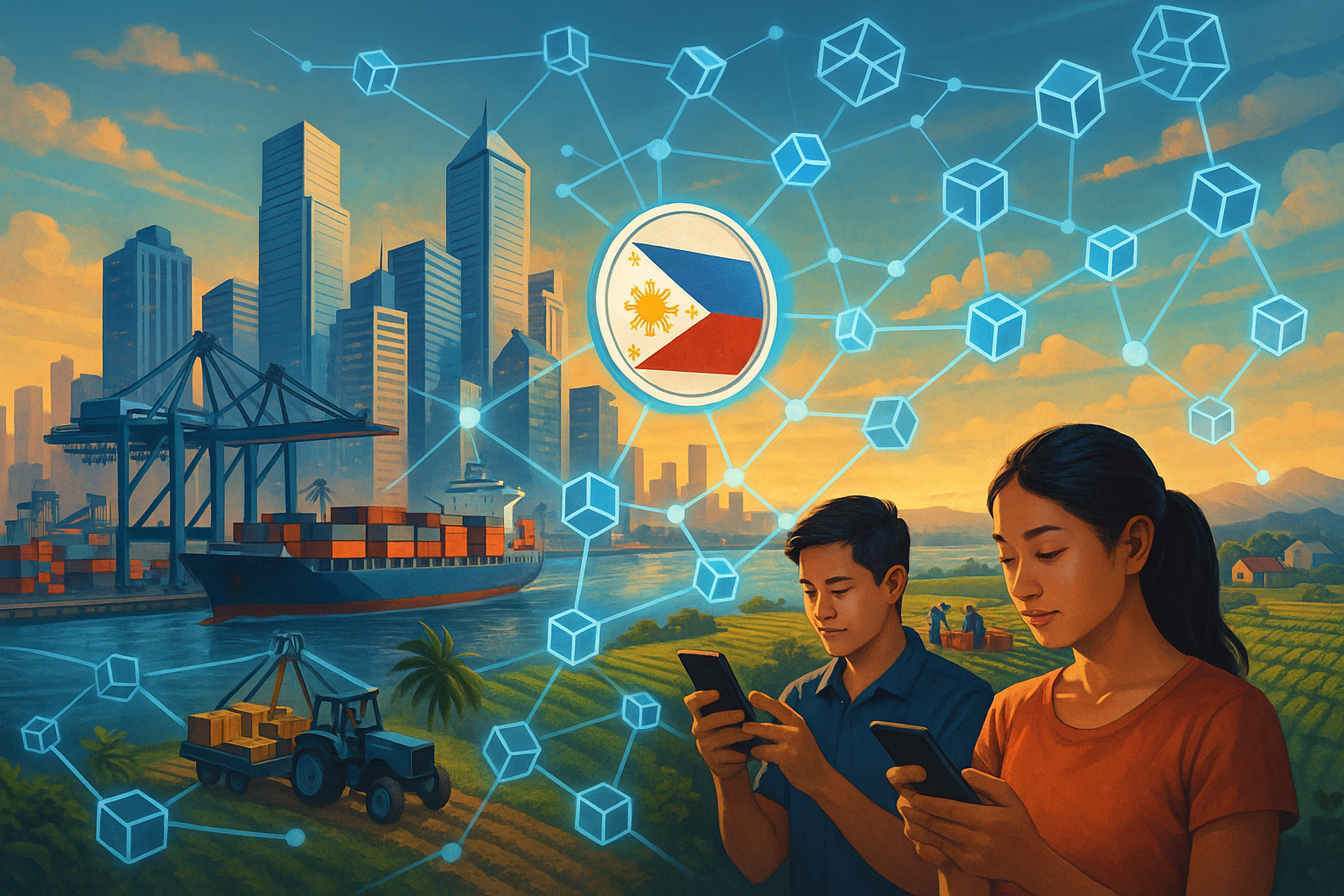
Web3 is moving beyond buzzword status in the Philippines, where a young, mobile-first population meets a dynamic startup scene and a pragmatic regulatory stance. For businesses, the promise of Web3 is not abstract: it’s about compressing settlement times, widening market access, and building trust in low-trust environments. By combining blockchain, smart contracts, tokenization, and decentralized identity (DID), Philippine companies can streamline operations while unlocking new products designed for local realities—high remittance flows, fragmented supply chains, and a thriving creator economy.
Financial Inclusion and Remittances
The Philippines is one of the world’s largest remittance corridors, and every percentage point shaved off fees or delays matters. Web3 rails enable near-instant cross-border transfers with transparent, auditable ledgers. Stablecoins, when used as settlement media, can reduce currency friction and provide a hedge against volatility during transit. For fintechs and cooperatives, smart contracts can automate disbursements to thousands of wallets—useful for payroll, microloans, or disaster-relief payouts—while programmable conditions (e.g., identity checks, time locks) reduce manual reconciliation.
Beyond speed, decentralized identity can strengthen eKYC in low-documentation contexts. Verified credentials—owned and shared by users—allow banks, rural financial institutions, and lending apps to onboard faster without centralizing sensitive data. When combined with tokenized credit histories (privacy-preserving score attestations), MSMEs can access working capital based on real transaction proofs rather than paperwork alone.
Enterprise Efficiency and Supply Chains
From agriculture to electronics, trust gaps and paperwork bottlenecks slow trade. Web3-based track-and-trace logs allow exporters, logistics firms, and insurers to validate provenance, custody, and quality milestones end-to-end. For example, a mango exporter can anchor harvest dates, temperature readings, and shipping handoffs on-chain. Insurers can then price risk using verifiable data; buyers can release payments via smart contracts the moment IoT oracles confirm delivery.
Tokenization turns invoices, purchase orders, and even warehouse receipts into liquid, divisible assets. Local banks and alternative lenders can finance these tokenized claims in secondary markets, broadening access to supply-chain finance and freeing up MSME cash flow. The result: shorter order-to-cash cycles and reduced dependence on collateral-heavy loans.
Creators, Gaming, and IP
The Philippines’ creator and gaming communities were early to experiment with digital assets. Web3 offers clearer royalty flows through on-chain splits, letting musicians, streamers, and game studios receive revenue automatically when content is sold or remixed. In-game items and memberships can be tokenized to enable secondary markets with programmable revenue shares, while brands can launch loyalty tokens that grant gated access, voting rights, or real-world perks—blending community with commerce and data portability.
Regulation, Risk, and Infrastructure
The Bangko Sentral ng Pilipinas (BSP) and the Securities and Exchange Commission (SEC) provide guardrails on custody, asset classification, and consumer protection. For enterprises, alignment with licensing, AML/KYC rules, and clear disclosures is non-negotiable. Risk controls should cover key vectors: smart contract audits, stablecoin liquidity, private key management, and data privacy. On the infrastructure side, businesses can reduce volatility and fees by using Layer-2 networks, permissioned chains for sensitive workflows, and reliable fiat on/off ramps integrated with e-wallets users already trust.
How Philippine Businesses Can Start
- Pick high-friction use cases: cross-border payouts, invoice financing, and multi-party logistics.
- Abstract complexity: users shouldn’t manage keys; offer custodial wallets with upgrade paths to self-custody.
- Design for compliance: embed DID-based KYC and maintain transparent audit trails.
- Measure ROI: track settlement times, financing costs, dispute rates, and user retention from tokenized loyalty.
- Pilot, then scale: start with a limited partner set, simulate edge cases, and only then open access.
Done well, Web3 in the Philippines shifts businesses from patchwork digitization to verifiable, programmable commerce—speeding growth while building trust at the protocol level.