
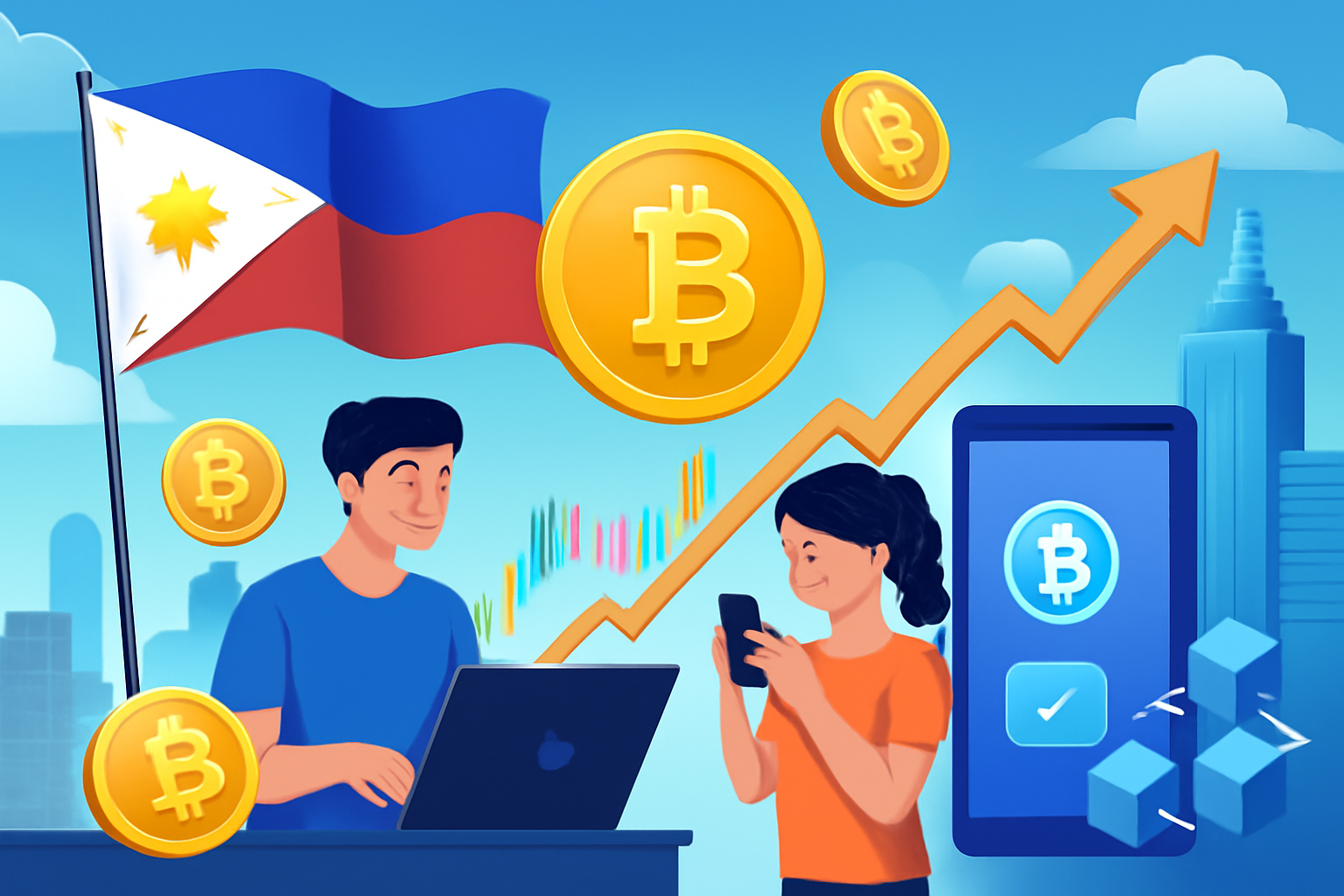
The cryptocurrency market in the Philippines has seen remarkable growth and transformation over the past few years, driven by a blend of technological advancements and innovative solutions. This surge is indicative of both a global trend and the country’s unique economic and social conditions that make it an ideal environment for digital assets and blockchain technology. As one of Southeast Asia’s most dynamic markets, the Philippines presents a unique case for understanding the intersection of technology, regulation, and consumer behavior within the rapidly evolving crypto space.
The State of the Philippine Crypto Market
The Philippine cryptocurrency ecosystem is at a stage where adoption is rising but still faces significant challenges in terms of infrastructure and regulatory clarity. According to data from the Bangko Sentral ng Pilipinas (BSP), the Philippines has one of the highest rates of cryptocurrency usage in Southeast Asia. A 2020 study found that nearly 5% of the adult population in the Philippines had used or owned cryptocurrency, signaling a growing interest in digital currencies.
This interest has been largely fueled by the increasing number of cryptocurrency exchanges, both local and international, that have established a presence in the country. Popular exchanges like Binance, Coins.ph, and PDAX offer Filipinos easy access to buy, sell, and trade a wide range of cryptocurrencies. In addition, remittances, a crucial part of the Philippine economy, have been a significant driver of crypto adoption. Many Filipinos working abroad are turning to crypto as a faster and cheaper way to send money home, bypassing traditional remittance services that are often slow and expensive.
Technological Advancements Driving Growth
The influence of technology on the Philippine crypto market is evident in several key areas. The country’s robust mobile phone penetration, with over 150 million mobile subscribers, plays a vital role in facilitating the growth of cryptocurrency. Mobile wallets, a core component of the digital asset ecosystem, have made it possible for Filipinos to manage their crypto holdings using just their smartphones. The rise of mobile-first apps like Coins.ph, which allows users to convert cryptocurrency into pesos, or use it for peer-to-peer transactions, has made crypto much more accessible to the masses.
Blockchain technology, the underlying infrastructure of most cryptocurrencies, has also spurred innovations within the local financial services industry. Smart contracts, for instance, are beginning to gain traction in various sectors, from real estate to supply chain management, enhancing transparency and reducing reliance on intermediaries. As blockchain continues to mature, more businesses in the Philippines are exploring its use to streamline operations, cut costs, and improve data security.
Additionally, the advent of decentralized finance (DeFi) has opened up new avenues for innovation. DeFi platforms allow individuals in the Philippines to borrow, lend, and trade assets without needing to go through traditional banks. This democratization of finance has significant implications for the unbanked population in the country, many of whom are excluded from the traditional banking system.
The Role of Regulations and Government Initiatives
As cryptocurrency adoption grows, regulatory clarity becomes increasingly important. The Philippine government, through the BSP, has taken a progressive stance on crypto regulation. In 2017, the BSP issued a circular allowing the operation of virtual asset service providers (VASPs), setting a framework for crypto exchanges to operate legally. This proactive approach to regulation has helped foster a safer environment for consumers while also attracting foreign investment into the local crypto industry.
However, challenges remain. While the BSP has implemented regulations to mitigate the risks of money laundering and other illicit activities, there are still gaps in consumer protection, especially given the volatility and risks associated with cryptocurrencies. Further regulatory developments are expected as the government continues to balance the need for innovation with the protection of investors.
In addition to regulations, government initiatives to promote blockchain technology and digital currencies have also contributed to the growing crypto interest in the Philippines. For example, the Philippine government has partnered with blockchain firms to explore the use of blockchain in various public sectors, such as land titling, education, and healthcare. These initiatives not only demonstrate the government’s openness to crypto technology but also highlight its potential for broader economic transformation.
Emerging Innovations: NFTs and Play-to-Earn Games
The Philippines is also becoming a hub for non-fungible tokens (NFTs) and play-to-earn (P2E) games, two areas that are seeing explosive growth within the crypto industry. Filipinos have shown a strong interest in digital collectibles and NFTs, with local artists, influencers, and developers creating unique digital art and experiences for the global market.
The rise of P2E games like Axie Infinity has particularly resonated with the Filipino community. These games, which allow players to earn cryptocurrency by participating in the game’s ecosystem, have provided new economic opportunities for Filipinos. In fact, many individuals in the Philippines have turned to P2E gaming as a full-time source of income, highlighting how crypto can impact local economies beyond the traditional finance sector.
Future Prospects
Looking ahead, the Philippine crypto market is poised for further growth. As technology advances, the role of crypto and blockchain in the Philippines will likely expand across more industries, ranging from finance and real estate to entertainment and education. The country’s young, tech-savvy population, combined with its evolving regulatory environment, offers a fertile ground for continued innovation in the digital asset space.
However, the crypto market’s future will depend on several factors, including further regulatory clarity, public education on crypto, and global economic trends. As new technologies emerge and the market matures, the Philippines will likely continue to be a key player in the global crypto ecosystem, with technology and innovation at its core.