
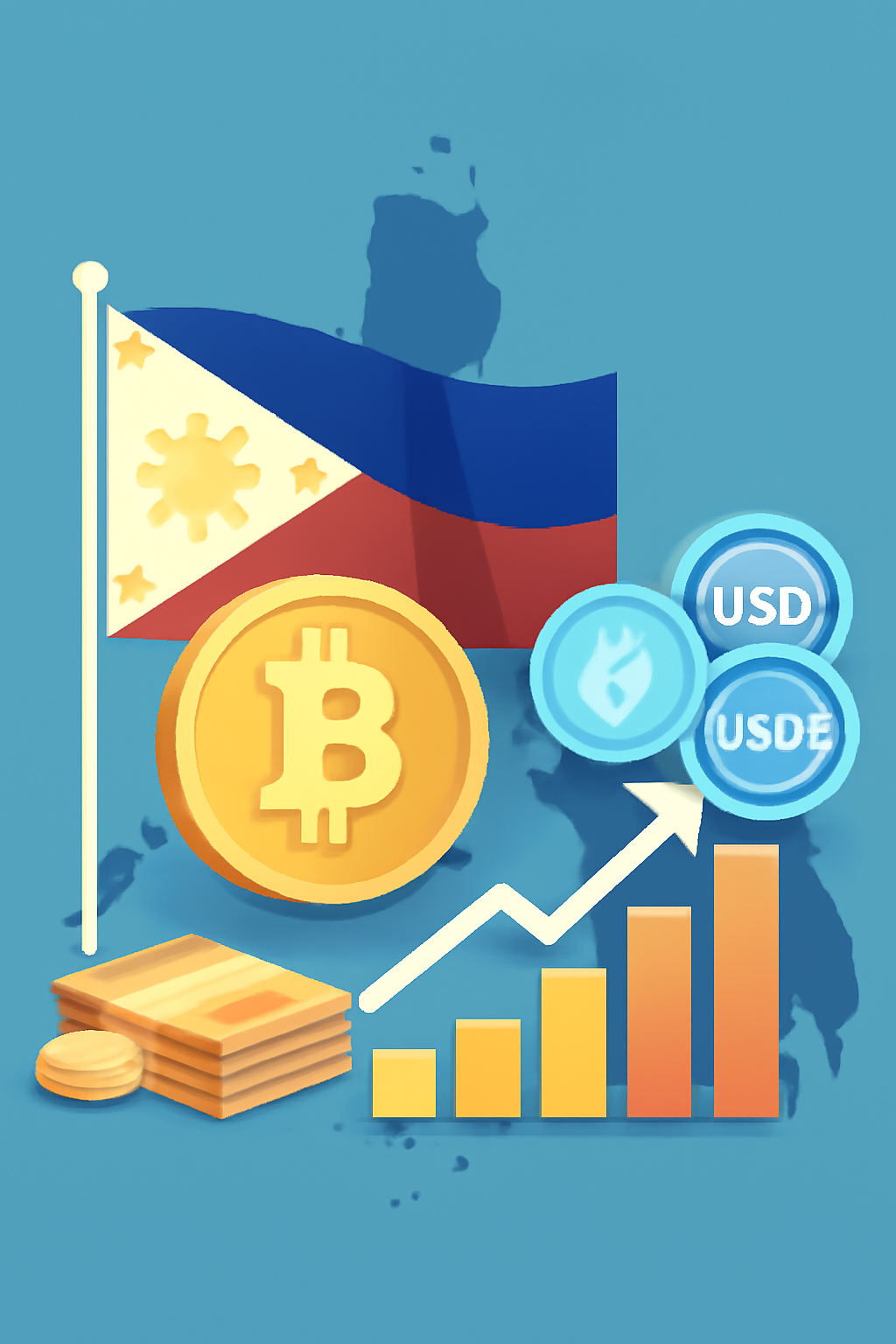
The cryptocurrency market has witnessed significant growth worldwide, with the Philippines emerging as one of the most promising hubs for digital currencies in Southeast Asia. Over the past few years, Filipinos have increasingly embraced digital currencies as a means of investment, remittance, and everyday transactions. Among the many types of digital currencies available, a few have managed to outperform others in terms of adoption, user base, and overall market performance. In this article, we will explore the key trends surrounding top-performing cryptocurrencies in the Philippines and what you need to know about them.
The Growing Popularity of Cryptocurrencies in the Philippines
Cryptocurrency adoption in the Philippines has surged due to various factors, including the country’s high remittance inflow, a tech-savvy population, and a relatively young demographic. According to a report from the Bangko Sentral ng Pilipinas (BSP), more than 10% of Filipinos are involved in digital currency transactions, either for investment purposes or to facilitate remittances. This number is expected to grow as the government continues to regulate and embrace digital currencies as part of the country’s economic landscape.
The Philippines’ high number of overseas workers has also contributed to the rise of digital currencies, especially Bitcoin and stablecoins like USDT. These cryptocurrencies offer a cheaper and faster alternative to traditional money transfers, which often incur high fees. Moreover, digital currencies have become an essential tool for many Filipinos looking to diversify their investment portfolios, as the country’s financial markets remain relatively underdeveloped compared to more advanced economies.
Top-Performing Cryptocurrencies in the Philippines
Several cryptocurrencies have outperformed others in the Philippines, gaining a significant market share and establishing a strong user base. Below, we will discuss the leading digital currencies currently dominating the market in the country.
Bitcoin (BTC)
Bitcoin, the first and most widely recognized cryptocurrency, continues to be the dominant player in the Philippines. As of now, Bitcoin remains the preferred digital currency for most Filipinos, whether for investment, trading, or remittance purposes. The cryptocurrency’s relatively established position in the market, coupled with growing acceptance among Filipino businesses, makes it an attractive option for anyone looking to enter the digital asset space.
Bitcoin’s strong performance in the country can be attributed to its decentralized nature, security features, and high liquidity. Its role as a store of value has made it particularly appealing during times of economic uncertainty, such as during the COVID-19 pandemic. Many Filipinos have turned to Bitcoin as a hedge against inflation and devaluation of the Philippine peso.
Ethereum (ETH)
Ethereum, another major cryptocurrency, has also experienced significant growth in the Philippines. While Bitcoin serves mainly as a store of value and a means of exchange, Ethereum offers more use cases, particularly through its smart contract capabilities. Smart contracts are self-executing agreements with terms directly written into code, enabling decentralized applications (dApps) and DeFi platforms to operate without intermediaries.
The rise of DeFi (Decentralized Finance) has made Ethereum particularly popular among Filipinos who are looking for more innovative and high-yield investment options. Ethereum-based tokens and decentralized platforms offer Filipinos the opportunity to participate in lending, borrowing, staking, and yield farming activities that generate returns in cryptocurrency. Ethereum’s transition to Ethereum 2.0 (a more energy-efficient version) has further bolstered its appeal among environmentally conscious users.
Stablecoins (USDT, USDC)
In addition to Bitcoin and Ethereum, stablecoins such as Tether (USDT) and USD Coin (USDC) have gained popularity in the Philippines due to their price stability. Stablecoins are pegged to the value of fiat currencies, usually the US Dollar, making them less volatile than traditional cryptocurrencies like Bitcoin or Ethereum.
Stablecoins have become the preferred option for many Filipinos engaging in cross-border remittance services. They enable users to send funds internationally at a fraction of the cost of traditional remittance services, making them especially popular in areas like Metro Manila, Cebu, and Davao, where a significant number of overseas Filipino workers (OFWs) reside.
Furthermore, stablecoins are often used for trading and as a stable store of value, especially during periods of volatility in the broader cryptocurrency market. As the Philippines continues to develop its cryptocurrency regulatory framework, stablecoins are expected to gain further traction as a safe and convenient option for Filipinos.
The Regulatory Environment for Cryptocurrencies in the Philippines
The regulatory landscape for cryptocurrencies in the Philippines has played a crucial role in shaping the growth of the market. The Bangko Sentral ng Pilipinas (BSP) has established a clear framework for cryptocurrency exchanges and service providers, providing a level of security and legitimacy to the space. The BSP’s “Circular No. 944” on Virtual Currency (VC) exchanges, issued in 2017, outlines the regulations for virtual asset service providers (VASPs) operating in the country.
These regulations ensure that cryptocurrency exchanges adhere to Anti-Money Laundering (AML) and Know-Your-Customer (KYC) guidelines, reducing the risk of illegal activities like money laundering and terrorist financing. The government’s progressive stance toward crypto innovation has led to increased trust in the space, resulting in more Filipinos adopting and using cryptocurrencies for various purposes.
What’s Next for Cryptocurrencies in the Philippines?
The future of cryptocurrencies in the Philippines looks promising, with a growing number of people, businesses, and government institutions embracing digital assets. As the BSP continues to refine its regulations and as more companies adopt blockchain technology, the country could become a major player in the global cryptocurrency ecosystem.
In the near term, we can expect further adoption of decentralized finance (DeFi) solutions, NFT (non-fungible token) markets, and even the potential for a government-backed digital currency. As awareness of cryptocurrency and blockchain technology continues to rise, Filipinos will likely continue to lead the way in Southeast Asia in terms of adoption and innovation in the crypto space.