
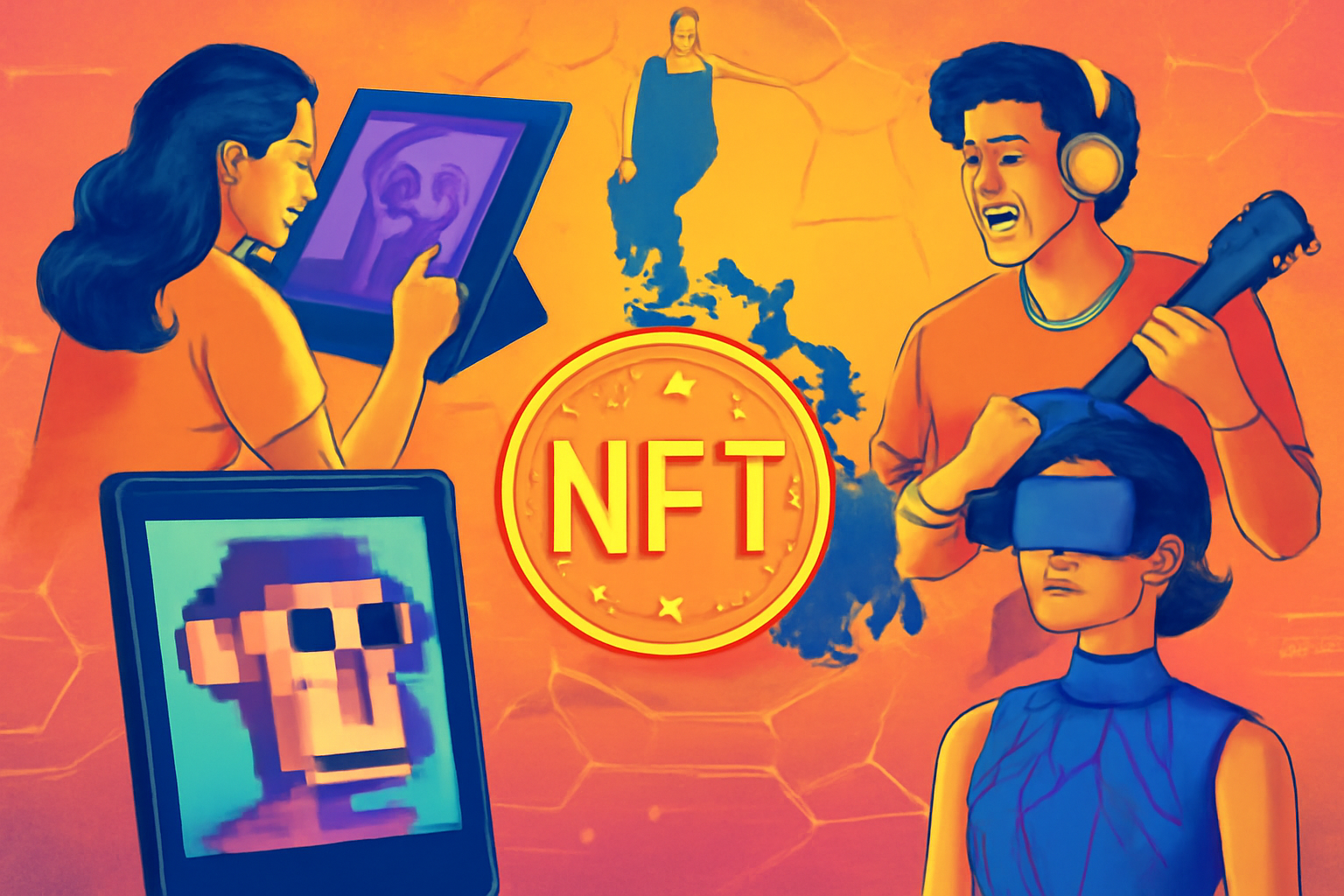
The rise of blockchain technology and the advent of Non-Fungible Tokens (NFTs) have sparked a global revolution, fundamentally altering industries such as art, entertainment, gaming, and fashion. As the Philippines continues to embrace digital innovation, the creative industry is no exception. NFTs offer novel opportunities for local artists, designers, musicians, and other creatives, providing new ways to monetize their work, reach global audiences, and engage with fans. In this article, we will explore the future of NFTs in the Philippine creative sector and the expectations of industry players.
The Role of NFTs in the Philippine Creative Landscape
Non-Fungible Tokens, by definition, are unique digital assets recorded on a blockchain that certifies ownership and authenticity. Unlike cryptocurrencies such as Bitcoin or Ethereum, which are interchangeable, NFTs are distinct and cannot be replaced by another identical token. This uniqueness makes NFTs an ideal tool for the creative industries, particularly in sectors like digital art, music, gaming, and fashion.
For Filipino creators, NFTs present a unique opportunity to address long-standing challenges in the industry, including copyright infringement, lack of fair compensation, and the difficulty of monetizing digital works. In the past, many artists found it challenging to prove the ownership and authenticity of their digital art, making it easy for others to copy, distribute, and profit from their creations without permission. NFTs resolve this issue by providing a secure and transparent method to track ownership, ensuring that creators are properly compensated for their work.
NFTs as a Game-Changer for Filipino Digital Artists
Filipino digital artists, in particular, stand to benefit greatly from the rise of NFTs. The Philippines has a thriving community of digital artists, many of whom have gained international recognition through their work on platforms like Instagram and DeviantArt. NFTs allow these artists to monetize their work in a way that was previously not possible in the digital realm.
Local artists can tokenize their artwork and sell it directly to buyers on NFT marketplaces, bypassing traditional galleries, middlemen, and art brokers. This not only ensures that they receive a fair share of the profits, but it also allows them to establish a more direct and personal connection with their buyers. Moreover, NFTs offer the added benefit of enabling artists to earn royalties every time their work is resold on secondary markets, a feature that traditional art sales often lack.
The Music Industry and NFTs: A New Frontier for Filipino Musicians
The music industry in the Philippines has always been a dynamic and essential part of the local creative economy. However, Filipino musicians, especially independent artists, often struggle to earn a sustainable income from streaming platforms that offer low payout rates. NFTs offer a potential solution by providing musicians with a direct way to sell their music, albums, and exclusive content to fans.
For example, musicians could tokenize their songs or albums, offering limited-edition releases to collectors and superfans. These tokens could include exclusive perks, such as VIP concert access, special merchandise, or even virtual meet-and-greets. This level of engagement would not only provide fans with a sense of ownership over the music but also create new revenue streams for artists that go beyond traditional royalties or streaming fees.
NFTs in Filipino Fashion and Design
The fashion industry in the Philippines, known for its vibrant and diverse styles, is also beginning to explore the potential of NFTs. Designers can create digital clothing or accessories that exist solely in the virtual realm, allowing fashion enthusiasts to buy and showcase these pieces in digital environments such as virtual reality (VR) platforms or video games. This opens up exciting possibilities for both the local fashion industry and global fashion markets.
NFTs also provide opportunities for Filipino fashion designers to engage with a tech-savvy and digitally native audience. Limited edition NFT fashion pieces can create a sense of exclusivity, driving demand and increasing the perceived value of the designer’s work. Additionally, the use of NFTs in fashion can help preserve the authenticity and originality of designs, protecting local talent from counterfeiters and copycats who may otherwise exploit their work.
What Industry Players Expect
Looking ahead, industry players in the Philippines have high hopes for NFTs and the opportunities they bring. Many expect that NFTs will enable greater financial independence for local creators, especially those who have traditionally struggled to break into the mainstream market. By embracing digital tokens, these artists can create a direct connection with their fanbase, which could help them expand their reach far beyond Philippine borders.
However, there are also some challenges that need to be addressed. For one, the local creative industry must overcome a lack of understanding about blockchain technology and NFTs. Despite the growing interest in digital assets, many creators and consumers remain skeptical or uninformed about the practical benefits of NFTs. As the technology continues to evolve, educational efforts will be crucial in helping stakeholders understand its potential.
Furthermore, the environmental impact of blockchain technology, particularly in terms of energy consumption, has raised concerns worldwide. While newer blockchains such as Ethereum 2.0 and Solana offer more eco-friendly alternatives, there is still work to be done in ensuring that NFTs remain sustainable in the long run.
Ultimately, the future of NFTs in the Philippine creative industry holds immense promise. With a burgeoning digital economy, a strong community of creators, and a growing interest in innovation, NFTs could play a pivotal role in transforming the way Filipino artists, musicians, and designers connect with their audiences and generate income from their craft. As the technology matures, the possibilities for creativity and entrepreneurship in the Philippine creative sector are boundless.