
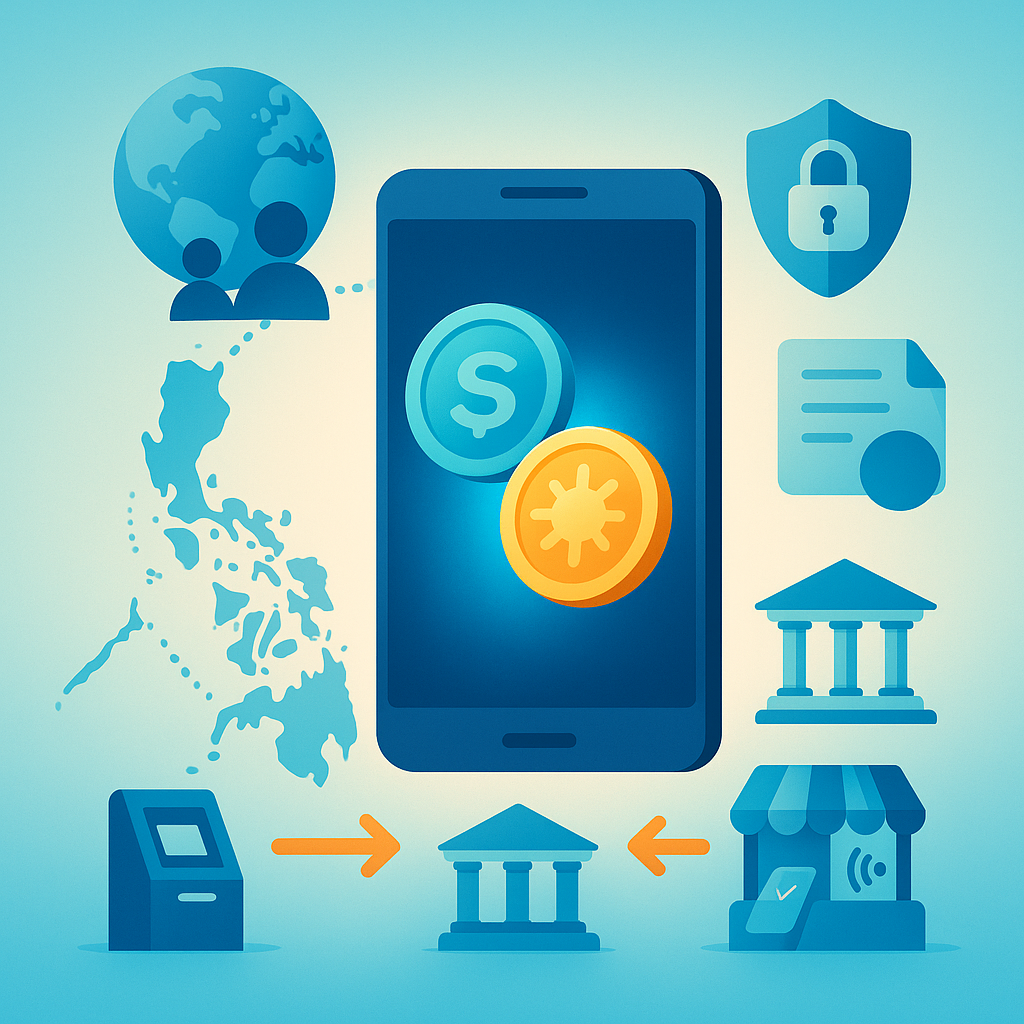
For Filipino investors and savers, stablecoins have moved from a niche crypto tool to a practical financial instrument. In a country shaped by large overseas remittances, an increasingly digital economy, and periodic peso volatility, dollar-pegged tokens like USDT and USDC have a clear value proposition: fast transfers, easy access to USD exposure, and integration with local on- and off-ramps. But does that make them the top choice for investors—or simply the most convenient bridge between money systems?
Remittances and rails, not just “crypto”
The Philippines is one of the world’s largest remittance corridors, with inflows exceeding tens of billions of dollars annually. Traditional channels can be slow and fee-heavy. Stablecoins allow money to move 24/7, settle in minutes, and often at a fraction of the cost. Overseas Filipinos can send USDC/USDT, then family members convert to pesos through licensed virtual asset service providers (VASPs) and local exchanges or cash out via e-wallets and partner outlets. For many households, that’s more utility than speculation—stablecoins function as a neutral rail rather than a risky bet.
A simple way to hold dollars
Investors who want dollar exposure without opening a USD bank account increasingly lean on fiat-backed stablecoins. They’re divisible, transferable, and tradable in small amounts—useful for hedging peso depreciation, parking funds between trades, or maintaining emergency liquidity. Still, they’re not bank deposits: peg risk, issuer transparency, and counterparty exposure matter. The 2023 USDC de-peg scare and the wind-down of BUSD showed that even “stable” assets carry operational and regulatory risks.
Trading base currency, not a return engine
Among crypto traders in the Philippines, stablecoins are the default base asset—“dry powder” to move in and out of volatile tokens. Some chase yields through centralized platforms or DeFi lending, but after the 2022–2023 blow-ups, many have shifted toward safety over yield. If returns are the goal, local investors still look to equities, government bonds, real estate, or time deposits; stablecoins excel more as a transactional medium and a store of liquidity than as a core return-generating asset.
Regulation and consumer protection are evolving
The Bangko Sentral ng Pilipinas (BSP) regulates VASPs, enforces KYC/AML standards, and has experimented with sandboxes for digital assets. Stablecoins with cash and short-term securities backing tend to be viewed closer to e-money in spirit, though exact rules for issuers and reserve management continue to evolve globally. For everyday users, the practical takeaway is simple: prefer licensed on-/off-ramps, verify issuer disclosures and attestations, and understand that redemption mechanisms and blacklisting controls can affect access.
Peso-linked tokens and local integration
Experiments with peso-denominated stablecoins and pilots for cross-border settlements signal a future where users might move seamlessly between PHP and USD stablecoins, e-wallets, and bank accounts. The richest gains may come from integration—cheaper remittances, instant merchant settlements, and programmable payouts for small businesses—rather than from holding the tokens themselves.
Risks to weigh before calling them “top choice”
- Peg and issuer risk: Look for frequent reserve attestations, high-quality collateral (cash/T-bills), and clear redemption terms.
- Platform and custody risk: Prefer self-custody if you know how; otherwise stick to reputable, licensed custodians.
- Regulatory shifts: Rules on travel-rule compliance, taxation, and consumer protection can change. Keep records of transfers for potential tax reporting.
- Concentration and freezes: Centralized issuers can freeze addresses under legal orders; diversification reduces single-point failure.
So, are they the primary pick for Filipino investors?
They are increasingly the primary tool for moving value—especially for remittances, dollar parking, and trading liquidity. For long-term wealth building, most Filipinos still rely on familiar vehicles (savings, bonds, equities, property). In other words, stablecoins are becoming a first choice for utility, not necessarily for investment returns. Used wisely—via licensed ramps, reputable issuers, and conservative custody practices—they can meaningfully improve financial access and efficiency in the Philippine context. This is financial infrastructure you can hold in your phone, not a lottery ticket—and that’s exactly why adoption keeps rising.