
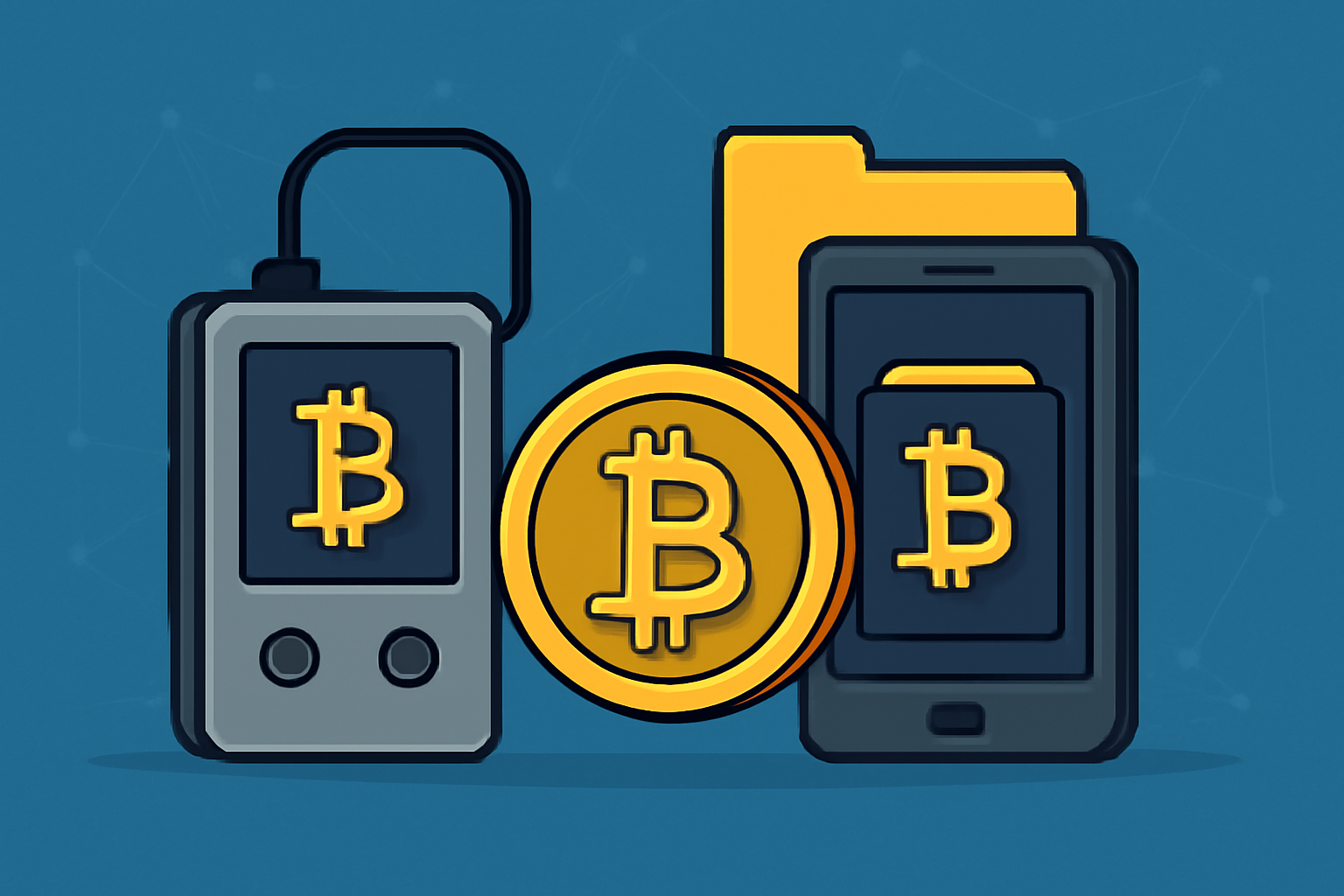
Cryptocurrencies have revolutionized the financial landscape, offering decentralized alternatives to traditional banking systems. As their popularity grows, so does the importance of securing these digital assets. Crypto wallets are essential tools that allow users to store, send, and receive cryptocurrencies. However, with the rise in value and interest, crypto wallets have also become prime targets for cybercriminals. There are two main types of crypto wallets: hardware wallets and software wallets. Both offer varying degrees of security and usability, and understanding the differences is crucial for making an informed choice.
Hardware Wallets: Security and Physical Isolation
A hardware wallet is a physical device designed to store the user’s private keys offline. The private key is the critical piece of information required to authorize transactions on the blockchain. Since hardware wallets store keys offline, they are often considered the most secure type of wallet, as they are immune to online hacking attempts.
The primary benefit of a hardware wallet is its ability to keep private keys isolated from the internet. Cyberattacks, such as phishing, malware, or man-in-the-middle attacks, can’t directly target these offline keys. Even if a user’s computer or smartphone is compromised, the attacker would still need physical access to the hardware wallet to perform any transactions. This makes hardware wallets particularly secure against online threats.
Popular hardware wallets, such as Ledger Nano S, Ledger Nano X, and Trezor, come with additional security features like PIN codes and recovery phrases. If the device is lost or stolen, the user can restore the wallet’s funds by using the recovery phrase, provided it is kept secure.
Another significant advantage is the use of secure elements, which are tamper-resistant chips embedded in the hardware. These chips are designed to prevent physical attacks, such as extraction of private keys by de-soldering or other invasive methods. Additionally, most hardware wallets support multiple cryptocurrencies, allowing users to store various assets in one place.
However, hardware wallets are not without their drawbacks. While they offer top-tier security, they can be less convenient to use compared to software wallets. Users must connect the device to a computer or mobile device to access their funds, which can be cumbersome for frequent transactions. Moreover, hardware wallets are typically more expensive than software wallets, with prices ranging from $50 to $200, depending on the model.
Software Wallets: Convenience with Risks
In contrast to hardware wallets, software wallets are applications or software platforms that store private keys on a computer or mobile device. These wallets come in various forms, including desktop wallets, mobile wallets, and web wallets. They are much more convenient for everyday transactions because they are easily accessible on a smartphone or computer without the need for additional hardware.
The most common software wallets include platforms like MetaMask, Exodus, Electrum, and Trust Wallet. These wallets are generally free to use and can support multiple cryptocurrencies. Software wallets are designed to be user-friendly, offering an intuitive interface that allows even beginners to send and receive cryptocurrencies easily.
However, software wallets have significant security vulnerabilities. Since they store private keys on devices connected to the internet, they are susceptible to cyberattacks. If a user’s computer or smartphone is infected with malware, the attacker could potentially access the private keys and steal the cryptocurrency. Similarly, web wallets hosted by third parties carry risks of hacking, especially if the platform’s security is not adequately maintained.
To mitigate these risks, software wallets often come with encryption and password protection, but they are still exposed to phishing attacks, social engineering, and other forms of exploitation. Furthermore, users who fail to back up their recovery phrases or who use weak passwords might be at risk of losing their assets permanently.
While more secure than storing keys on exchanges, software wallets are less secure than hardware wallets due to their online nature. For users prioritizing security over convenience, software wallets may not be the best option for long-term storage of significant amounts of cryptocurrency.
Choosing Between Hardware and Software Wallets
The choice between a hardware and software wallet ultimately depends on the user’s priorities: security, convenience, or a balance of both.
- Security: If maximum security is your primary concern, a hardware wallet is the best option. It ensures that private keys are stored offline, making them largely immune to online attacks. For users holding significant amounts of cryptocurrency or for long-term storage, hardware wallets offer a much safer choice.
- Convenience: For users who require quick and easy access to their funds for frequent transactions, software wallets are the more practical solution. They are readily accessible, and setting them up is quick and easy, though users must be vigilant about securing their devices and avoiding risky online behaviors.
- Backup and Recovery: Both types of wallets offer mechanisms for backup and recovery. Hardware wallets rely on recovery phrases that allow users to restore their funds if the device is lost or damaged. Software wallets also use recovery phrases but are more vulnerable to attacks, particularly if the user does not take adequate precautions.
While hardware wallets provide superior security, they may not be as practical for users who need immediate access to their funds on a regular basis. Software wallets, on the other hand, are perfect for daily use but require users to be proactive in securing their devices and adopting safe online practices.
In the end, a hybrid approach might be the best strategy for some users. For example, storing large amounts of cryptocurrency in a hardware wallet while keeping a smaller portion in a software wallet for daily use offers both security and convenience.