
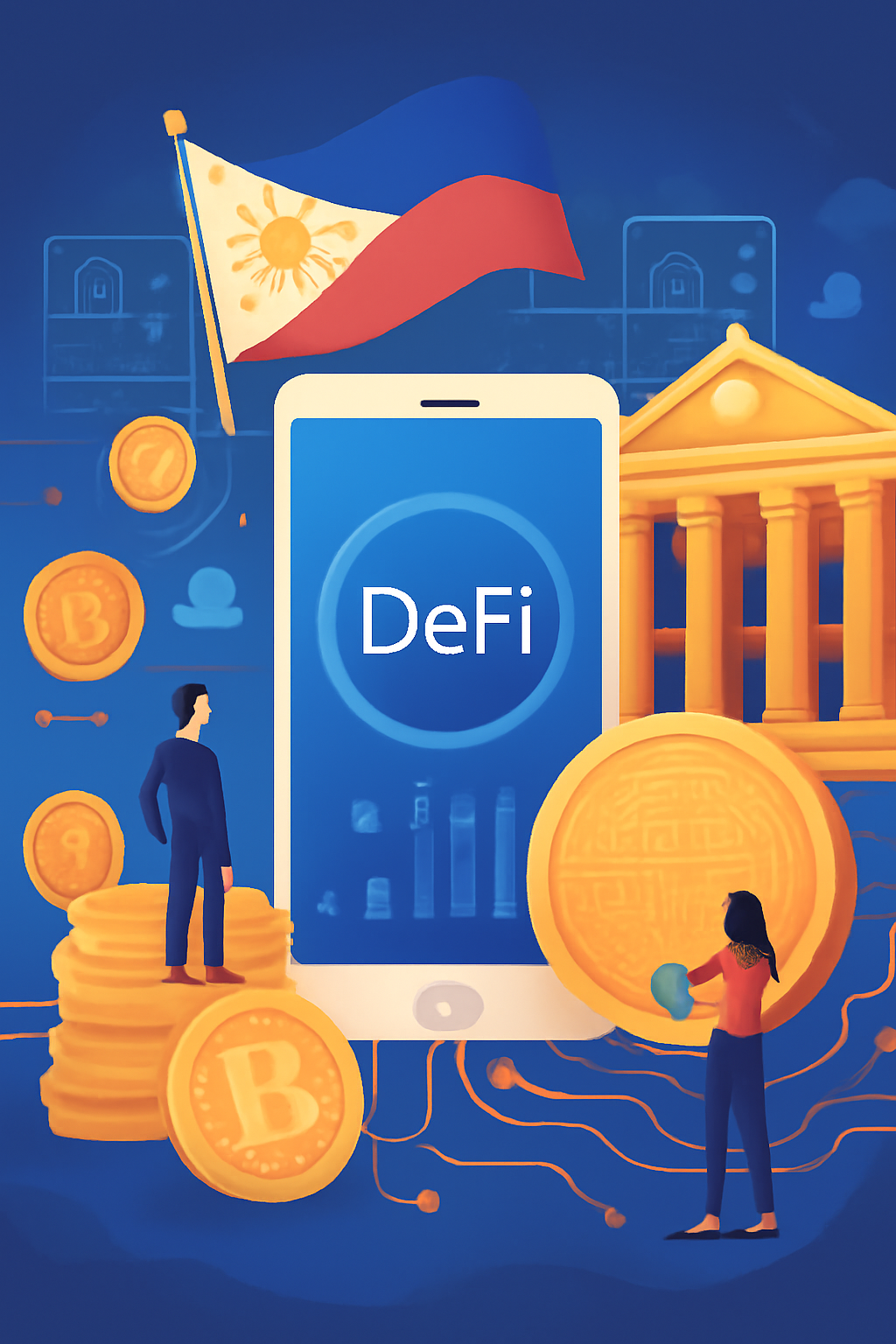
The rise of decentralized finance (DeFi) has captivated the global financial community, presenting a new frontier in the way financial services are delivered and accessed. In the Philippines, a country that has seen significant growth in cryptocurrency adoption, the government’s approach to regulating crypto assets plays a crucial role in shaping the DeFi ecosystem. The Philippine government has introduced a series of regulations aimed at ensuring a safe and secure environment for cryptocurrency users while fostering the growth of this rapidly evolving sector. These regulations have both positive and negative implications for DeFi platforms and users. This article explores the impact of Philippine cryptocurrency regulations on the DeFi ecosystem, examining the challenges and opportunities that come with these legal frameworks.
Regulatory Landscape of Cryptocurrencies in the Philippines
The Philippines has become one of the leading countries in Southeast Asia to embrace cryptocurrency and blockchain technology. The government, through the Securities and Exchange Commission (SEC) and the Bangko Sentral ng Pilipinas (BSP), has issued various guidelines to regulate crypto-related activities in the country. The BSP has even recognized cryptocurrency as a legitimate financial asset, subject to certain regulations, while the SEC has provided clarity on Initial Coin Offerings (ICOs) and the legal status of tokens.
In 2017, the Philippines implemented the “Virtual Currency Exchange” (VCE) regulations, which require cryptocurrency exchanges to register with the BSP. This framework ensures that crypto exchanges operate under legal oversight, which in turn helps protect users and investors from fraud and malicious activities. More recently, the government has moved toward enhancing its regulatory stance by exploring potential tax frameworks for cryptocurrency trading and related activities.
With the surge of DeFi platforms that aim to decentralize financial services—such as lending, borrowing, and asset trading—the Philippine government has been cautious in its approach to ensure that these platforms operate transparently and securely. While DeFi projects are inherently decentralized and not bound by the traditional intermediaries, regulations are designed to encourage compliance, discourage illicit activities, and protect local investors.
Impact on DeFi Platforms
Decentralized finance relies on blockchain technology to provide financial services without the need for traditional intermediaries like banks or brokers. However, the lack of a centralized authority makes it difficult for governments to regulate these platforms. In the Philippines, the regulatory environment directly affects the operation and innovation within the DeFi sector.
- Legitimacy and Investor Protection
One of the primary benefits of Philippine regulations is the increased legitimacy it brings to the crypto and DeFi sectors. The registration of cryptocurrency exchanges with the BSP and other financial regulators ensures that these platforms adhere to anti-money laundering (AML) and know your customer (KYC) standards. This fosters investor confidence, as users are more likely to trust platforms that operate under clear, enforceable rules. As DeFi projects in the Philippines work toward complying with these regulations, they are more likely to attract institutional investors and mainstream users who seek a secure environment. - Barriers to Entry
While regulations offer protection, they also create significant barriers to entry for smaller DeFi platforms and projects. Regulatory compliance can be costly and time-consuming, especially for decentralized platforms that operate without a central management structure. DeFi projects may face difficulties navigating the complex regulatory landscape, which could hinder innovation and the development of new financial products. Smaller players may struggle to meet the stringent requirements set by regulators, leading to market consolidation and fewer options for local users. - Innovation and Development
The regulatory uncertainty surrounding DeFi could also stifle innovation. The DeFi sector thrives on the ability to experiment with new financial products and services, and overregulation could hinder this. For example, strict rules around token issuance, liquidity pools, and yield farming could limit the variety of services available to users. Regulatory bodies in the Philippines might need to strike a delicate balance—encouraging innovation while ensuring investor protection and compliance with existing laws. - Taxation and Reporting Requirements
Another area of concern for DeFi platforms in the Philippines is the looming question of taxation. While the government has yet to establish a clear and comprehensive framework for crypto taxation, the SEC and BSP have expressed interest in implementing tax policies for crypto assets. DeFi platforms that facilitate trading, lending, or staking of cryptocurrencies may be subject to tax obligations, requiring them to collect and report taxes on transactions. The uncertainty in taxation laws could lead to ambiguity for developers and users alike, making it difficult to understand their legal responsibilities in the DeFi space.
Opportunities for DeFi in the Philippines
Despite the challenges posed by regulation, the DeFi ecosystem in the Philippines is still filled with immense opportunities. The government’s stance on cryptocurrency regulation, while cautious, has paved the way for a more organized and safer environment for crypto adoption. The following are some opportunities that may arise for the DeFi sector in the Philippines:
- Financial Inclusion
The Philippines has one of the highest unbanked populations in Southeast Asia, and DeFi offers an opportunity to provide financial services to individuals without access to traditional banking systems. Through regulated DeFi platforms, the government can help facilitate access to services like savings accounts, loans, and insurance, all of which can be done via blockchain technology. With the right regulatory framework in place, the DeFi sector could help drive financial inclusion in the country. - Cross-Border Transactions and Remittances
The Philippines is one of the largest recipients of remittances globally, and cryptocurrency offers a more efficient and cost-effective way to transfer funds across borders. DeFi platforms that cater to remittance services could benefit from regulatory clarity, as users can trust that they are not engaging in illegal activities. In the future, if regulations evolve to support remittance services, DeFi could offer faster, cheaper alternatives to traditional remittance methods. - Institutional Adoption
As more traditional financial institutions recognize the potential of blockchain and DeFi, the Philippines could become a hub for institutional investors and partnerships. Regulatory clarity in the country could encourage banks and other financial institutions to collaborate with DeFi projects, enhancing the scalability of decentralized finance solutions. This could lead to more institutional-grade products, greater liquidity, and increased participation in the DeFi ecosystem.
Moving Forward
As the Philippines continues to shape its regulatory environment around cryptocurrencies and DeFi, it is essential that regulators remain flexible and open to collaboration with industry stakeholders. The DeFi space is still in its infancy, and a one-size-fits-all approach may not work in every situation. By striking a balance between regulation and innovation, the Philippine government has the potential to foster a thriving DeFi ecosystem that benefits both local users and the broader financial landscape.