
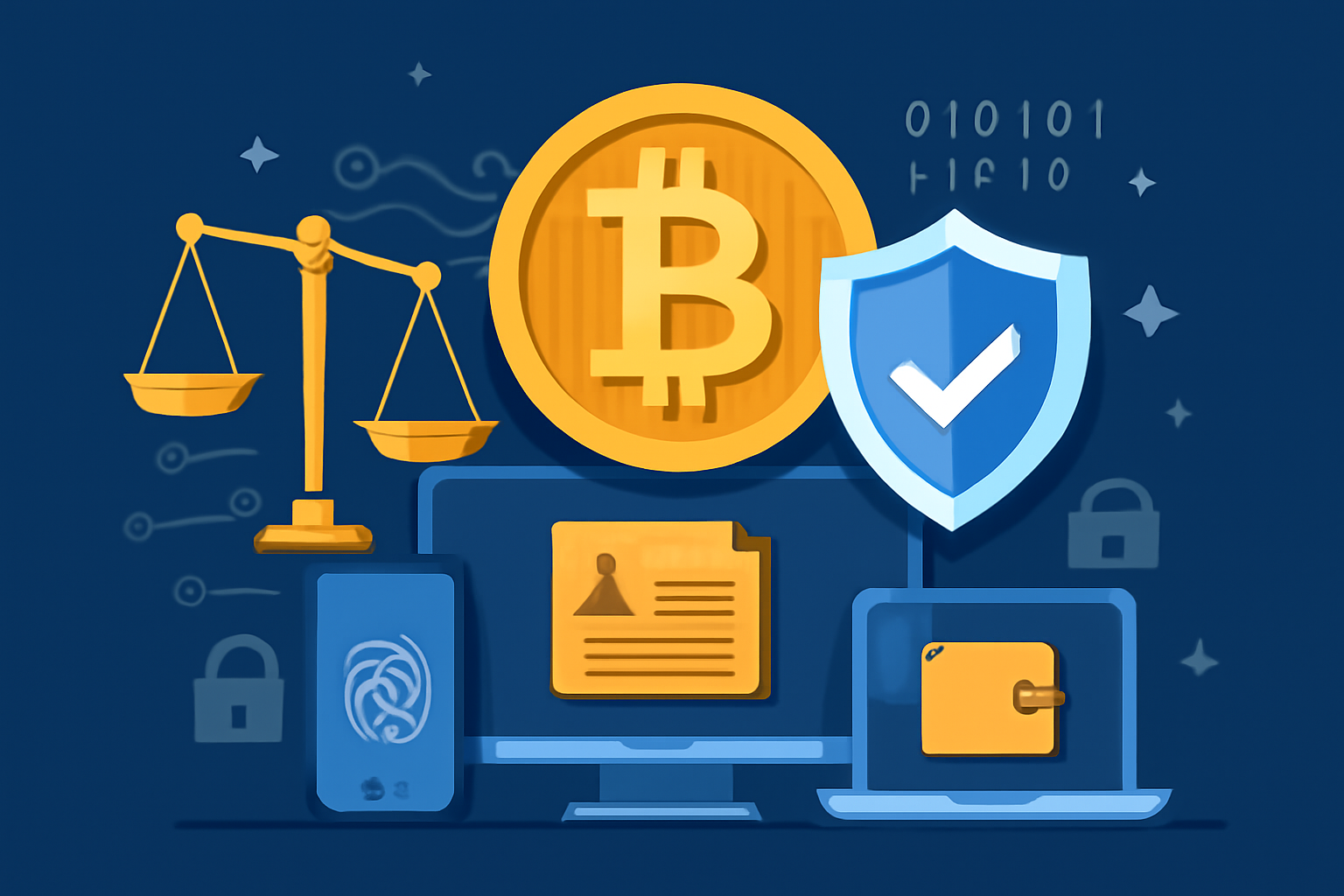
Cryptocurrency, with its decentralized nature and the promise of financial inclusion, has transformed the financial landscape. However, as its adoption grows, so do the risks. High-profile hacks, scams, and fraudulent schemes have highlighted the vulnerabilities inherent in the crypto ecosystem. These issues have sparked discussions around the need for robust regulatory frameworks to safeguard users and ensure the long-term sustainability of the industry. Understanding the role of regulation in improving crypto security requires a deep dive into the challenges, potential regulatory solutions, and the path forward for creating a safer digital financial environment.
The Need for Crypto Regulation
The primary concern in the cryptocurrency space is security. While blockchain technology itself offers certain advantages in terms of transparency and immutability, the platforms that facilitate crypto transactions are not immune to risks. Hacks targeting crypto exchanges, such as the Mt. Gox incident in 2014 and the 2020 KuCoin hack, have led to billions of dollars in losses, undermining user trust in the system. Additionally, scams and fraudulent activities, such as Ponzi schemes and rug pulls in the decentralized finance (DeFi) space, have raised concerns about investor protection.
Regulation can play a key role in addressing these risks. By implementing clear legal frameworks, governments and regulatory bodies can help reduce the occurrence of fraud and malicious activities, and create a more secure environment for legitimate crypto projects and their users. However, the challenge lies in crafting regulations that protect users without stifling innovation or overburdening the industry with unnecessary restrictions.
Key Areas Where Regulation Can Improve Crypto Security
- KYC and AML Compliance
One of the most straightforward ways regulation can enhance crypto security is through Know Your Customer (KYC) and Anti-Money Laundering (AML) requirements. These protocols are designed to ensure that crypto exchanges and platforms are not being used for illicit activities, such as money laundering or terrorist financing. By mandating that platforms verify the identity of their users, regulators can help ensure that transactions are traceable and transparent.
KYC and AML regulations can also foster a safer crypto environment by making it more difficult for bad actors to operate anonymously within the ecosystem. While this may require significant resources from crypto platforms to implement, it has been proven effective in other financial sectors in reducing illegal activity.
- Consumer Protection Laws
Crypto regulations should also include consumer protection measures, such as clear guidelines on how platforms should handle user funds. Currently, many exchanges do not provide adequate insurance or guarantees in case of a hack or a platform failure, leaving users vulnerable to significant losses. Regulations can mandate that exchanges hold reserves to back customer deposits or participate in insurance schemes to protect users in the event of a breach.
Furthermore, regulatory frameworks can ensure that projects and platforms provide clear and transparent information regarding their operations, the risks involved, and their security practices. This transparency can help users make more informed decisions and avoid falling prey to scams or misleading projects.
- Data Security Standards
Another crucial aspect of crypto regulation is ensuring that platforms adhere to strict data security standards. User data, especially financial data, is a prime target for cybercriminals. A strong regulatory framework should mandate that crypto exchanges and wallet providers implement robust encryption, multi-factor authentication (MFA), and other security measures to protect user data from breaches and theft.
In addition to protecting users, implementing industry-wide data security standards would also create a level of consistency across the crypto industry. This would help establish best practices and enable users to confidently engage with different platforms that meet these high standards.
- Licensing and Oversight of Crypto Platforms
Regulatory bodies should also consider licensing and oversight of crypto platforms to ensure that they meet certain operational and financial standards. Licensing creates a sense of accountability and legal responsibility, encouraging platforms to comply with security regulations and best practices. A lack of oversight can lead to unregulated exchanges that operate in ways that expose users to greater risk.
Government authorities should develop frameworks that allow for continuous monitoring of crypto platforms. These frameworks should include guidelines on how exchanges must operate, reporting requirements, and penalties for non-compliance.
Balancing Regulation with Innovation
The biggest challenge for regulators is finding the right balance between ensuring security and not stifling innovation. Cryptocurrencies and blockchain technologies are still in their early stages, and overly stringent regulations could potentially hinder the growth of new, innovative solutions that could address existing security challenges. On the other hand, a complete lack of regulation could lead to widespread exploitation and further erode consumer trust.
Regulatory bodies need to adopt a flexible and adaptive approach, keeping pace with the fast-evolving landscape of crypto technology. By collaborating with industry stakeholders, regulators can craft rules that protect users while still allowing for the dynamic and disruptive potential of crypto innovation.
Global Cooperation for Effective Regulation
Given the borderless nature of cryptocurrencies, international cooperation among regulatory bodies is crucial to ensuring the effectiveness of crypto regulations. Countries with differing approaches to crypto regulation could lead to regulatory arbitrage, where bad actors simply shift their operations to jurisdictions with looser regulations. A global framework for crypto regulation would help address this issue and ensure that bad actors are held accountable regardless of where they are operating.
The Financial Action Task Force (FATF) has already made strides in establishing guidelines for global crypto regulation, but the challenge remains in aligning these standards with the varying needs and perspectives of different countries. Ongoing dialogue between international regulators, governments, and the crypto community is necessary to create regulations that are both effective and fair.
Conclusion
The role of regulation in enhancing the security of the crypto space is undeniably important. By implementing KYC and AML compliance, consumer protection laws, data security standards, and robust oversight of crypto platforms, regulators can create a more secure environment for both users and legitimate crypto businesses. However, finding a regulatory balance that protects consumers without stifling innovation is crucial for the long-term success of the crypto industry. The ongoing collaboration between regulators and the crypto community, along with international cooperation, will be key in shaping a secure, sustainable future for digital currencies.