
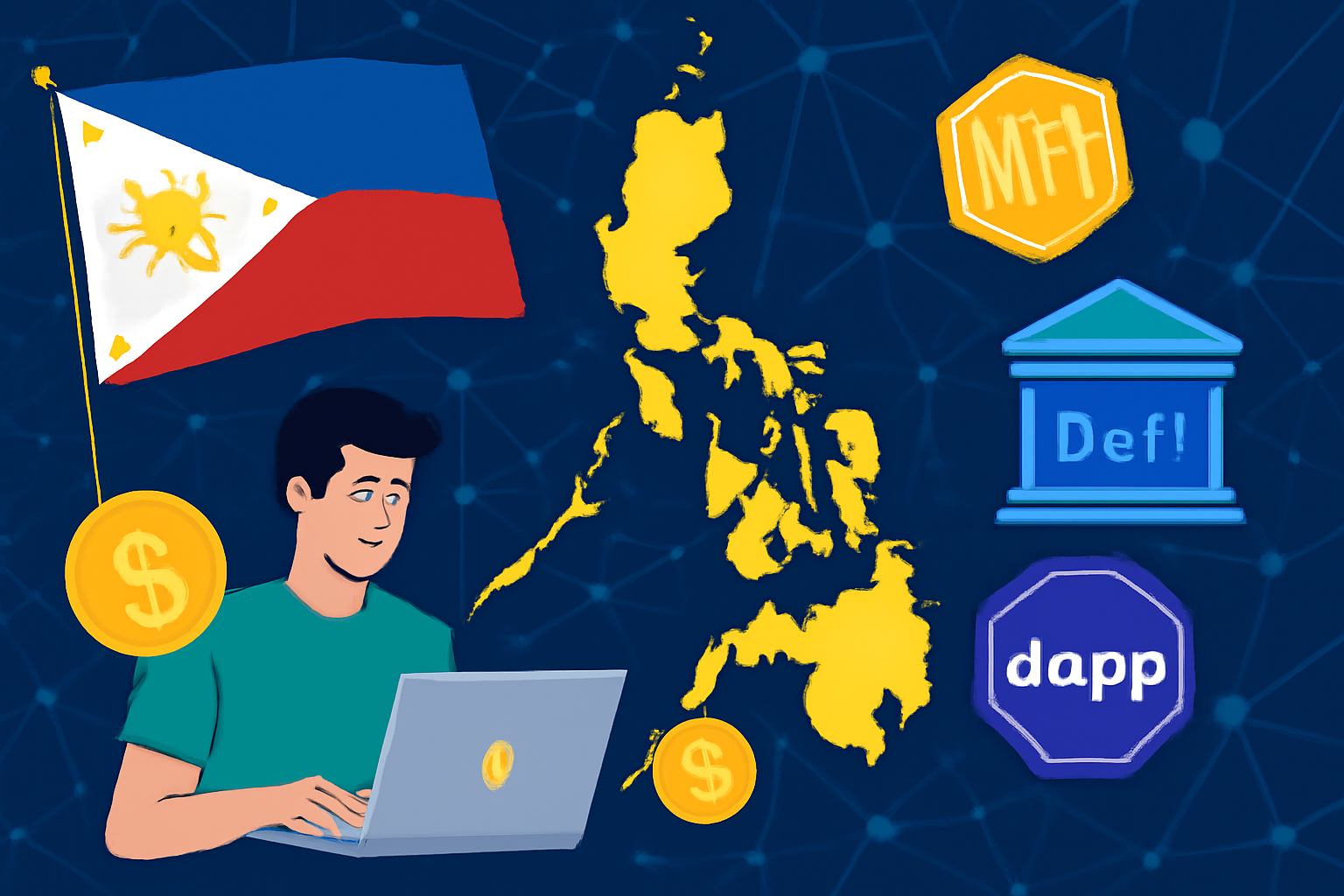
The Philippines has become an increasingly attractive destination for blockchain and cryptocurrency ventures due to its favorable regulatory environment, rising tech adoption, and vibrant digital economy. However, the rise of Web3 technologies, including decentralized applications (dApps), decentralized finance (DeFi), and non-fungible tokens (NFTs), has introduced both opportunities and challenges in terms of regulation. The country is at a pivotal point, balancing the drive for innovation with the need to safeguard users and investors from the inherent risks of these emerging technologies.
The State of Web3 in the Philippines
Web3 represents a shift from the traditional, centralized internet to a more decentralized, peer-to-peer ecosystem powered by blockchain technologies. In the Philippines, Web3 innovations have made significant strides, especially in the fields of cryptocurrency, DeFi, and NFTs. The country’s adoption of cryptocurrencies has been impressive, with many Filipinos using digital currencies for both remittances and investment purposes. This has led to a strong presence of crypto exchanges and blockchain startups in the region.
However, the rapid growth of Web3 also brings about concerns regarding its unregulated nature, security risks, and the potential for misuse. The Philippines, like many countries, has yet to introduce comprehensive, clear, and adaptive regulations for Web3 technologies, which poses a challenge in balancing innovation with consumer protection.
Regulatory Landscape: Current Approach and Challenges
The Philippine government, through the Securities and Exchange Commission (SEC) and the Bangko Sentral ng Pilipinas (BSP), has already taken steps to regulate certain aspects of the digital economy. For example, the BSP has regulated cryptocurrency exchanges under the framework of Anti-Money Laundering (AML) laws, and the SEC has issued guidelines on Initial Coin Offerings (ICOs) to prevent fraudulent activities. However, these regulations primarily focus on cryptocurrency and digital assets rather than Web3 technologies as a whole.
One of the biggest challenges for Web3 regulation in the Philippines is the complexity and speed of technological advancements. Web3 operates on decentralized networks, meaning that traditional regulatory frameworks that focus on centralized entities may not be effective in managing these technologies. Additionally, as Web3 platforms are often international in scope, enforcing local laws can become a daunting task.
Moreover, there is a lack of clear legal definitions and frameworks around decentralized autonomous organizations (DAOs), smart contracts, and decentralized exchanges (DEXs), which are core components of Web3. The Philippines must address these gaps to ensure that the regulatory environment is both comprehensive and flexible enough to accommodate future advancements in the space.
The Opportunities for Technological Innovation
Despite these challenges, the Philippines holds immense potential as a hub for Web3 innovation. The country is home to a young, tech-savvy population with a growing interest in blockchain technology. The Filipino market is well-positioned to adopt Web3 tools, especially in areas such as digital payments, remittances, and decentralized finance.
One of the most promising areas for Web3 innovation in the Philippines is the remittance industry. Filipinos abroad send billions of dollars back home each year, and traditional remittance services are often expensive and slow. Blockchain-based solutions powered by Web3 technologies can drastically reduce transaction costs, improve speed, and offer greater transparency in cross-border payments. A regulatory framework that supports Web3 could open the door for the Philippines to become a leader in blockchain-based remittance solutions.
Moreover, Web3 could also foster innovation in sectors like gaming, NFTs, and tokenized assets. The Philippines is known for its gaming culture, and the rise of Play-to-Earn (P2E) games and NFT art markets offers a significant opportunity for the local economy. A supportive regulatory environment could encourage startups and investors to develop these technologies further, creating a thriving Web3 ecosystem in the country.
The Need for Clear, Forward-Thinking Regulation
For the Philippines to truly capitalize on the opportunities presented by Web3, it must develop a forward-thinking regulatory framework. This would involve creating clear rules for Web3 technologies, focusing on areas such as consumer protection, intellectual property rights, and anti-money laundering (AML) efforts. Additionally, the government must collaborate with industry players, developers, and global stakeholders to ensure that the country remains competitive and relevant in the evolving Web3 landscape.
One area where regulation could have an immediate impact is in the realm of NFTs. As digital assets, NFTs are currently experiencing explosive growth worldwide, with the Philippines being no exception. A regulatory framework that provides clarity on ownership, copyright, and taxation could foster confidence in the NFT market, allowing creators and investors to engage more freely.
Another key area for regulatory focus is decentralized finance (DeFi), which allows individuals to access financial services without the need for traditional intermediaries like banks. The decentralized nature of DeFi presents unique challenges in terms of consumer protection, financial stability, and potential fraud. By implementing regulations that promote transparency, security, and compliance with international standards, the Philippines could become a safe and attractive destination for DeFi innovation.
A Path Forward for Web3 Regulation
As the Web3 space continues to evolve, the Philippines has an opportunity to lead the way in responsible innovation. By adopting clear and flexible regulatory frameworks, the country can help ensure that Web3 technologies grow in a way that benefits both innovators and consumers. This regulatory clarity would not only attract investment but also protect users from the risks associated with the unregulated aspects of Web3.
Ultimately, the Philippines’ approach to Web3 regulation will shape its position in the global technological landscape. With a proactive regulatory strategy that fosters innovation, the country can secure its role as a leading hub for Web3 development in Asia and beyond.