
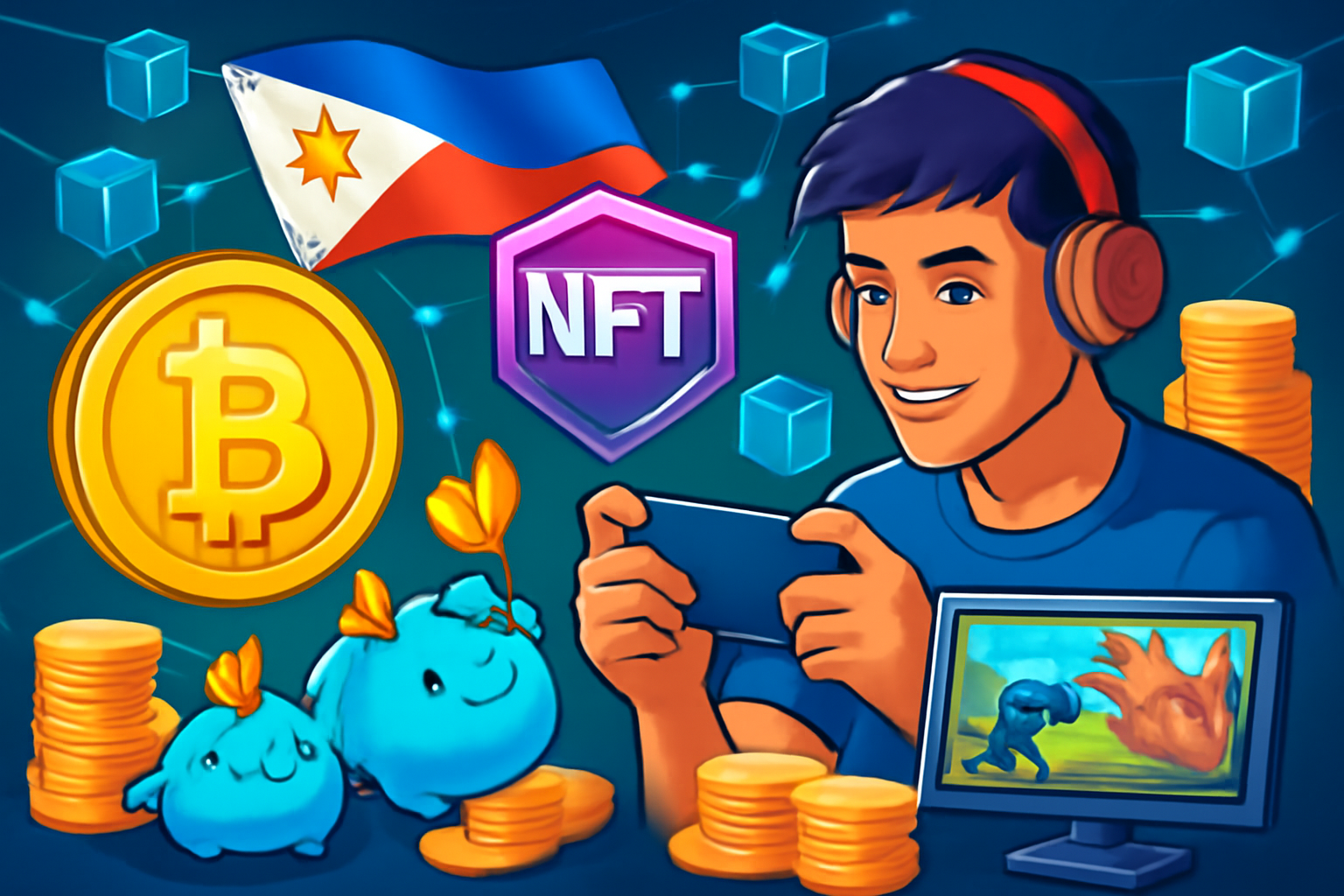
The gaming industry has long been one of the most dynamic sectors in the global economy. With the rapid rise of Web3 technologies and the growing interest in decentralized applications (dApps), the Philippines has found itself at the crossroads of innovation in both the gaming and blockchain spaces. Web3, characterized by decentralized systems, smart contracts, and cryptocurrencies, is reshaping the future of digital experiences, and in particular, it is having a profound impact on gaming. One of the most exciting developments within this sector is the emergence of GameFi—a fusion of gaming and finance that allows players to earn financial rewards through gameplay.
Web3: A New Era for the Gaming Industry
Web3 is the next phase in the evolution of the internet, moving away from centralized systems and empowering users with more control over their data, assets, and interactions. This paradigm shift is being driven by blockchain technology, which enables the creation of decentralized applications (dApps) where players can truly own in-game assets, trade them, and even generate real-world value through play.
In the traditional gaming model, players often spend money on virtual goods and characters but have no real ownership of these items, as they are confined to the game’s ecosystem. Web3, however, allows for the creation of non-fungible tokens (NFTs), which represent ownership of unique in-game items. These NFTs can be traded, sold, or even used across different gaming platforms, enhancing the overall gaming experience by giving players a stake in the virtual worlds they engage with.
For the Philippines, this new era presents a unique opportunity. The country is already home to a thriving gaming community, with millions of Filipinos actively participating in mobile and online gaming. The rise of Web3 and its integration with gaming provides a seamless entry point for local gamers to engage with blockchain technology and explore the potential of GameFi.
GameFi: Blurring the Line Between Gaming and Finance
GameFi is the result of integrating decentralized finance (DeFi) with gaming. Through GameFi, players can not only enjoy immersive gaming experiences but also earn real financial rewards. This can be through playing, trading, or holding NFTs within a game. The play-to-earn (P2E) model has become a core component of the GameFi ecosystem, offering players the ability to earn cryptocurrency or other tokens that can be exchanged for real-world money.
In the Philippines, GameFi has exploded in popularity due to the country’s deep cultural affinity for gaming, paired with high mobile penetration and an increasing interest in earning income through digital channels. Games like Axie Infinity have already demonstrated the earning potential of Web3-based games, with Filipino players collectively earning millions of dollars in cryptocurrency.
This model allows players in the Philippines to break away from traditional wage-based work and pursue alternative income streams. As many Filipinos look for ways to earn a living outside traditional employment, the rise of GameFi offers an enticing prospect. Especially in rural areas or for people with limited access to formal employment opportunities, GameFi can act as an accessible and profitable alternative.
The Philippine Market: A Hotbed for Web3 Gaming
The Philippines is quickly becoming one of the leading countries in terms of adoption and innovation within the Web3 gaming space. Several factors contribute to the country’s rapid integration into this new digital economy:
- Mobile Gaming Dominance: The Philippines has one of the highest rates of mobile gaming in Southeast Asia. With smartphones being the primary gaming device for many Filipinos, the accessibility of blockchain-based mobile games makes it an attractive entry point for the Web3 gaming ecosystem.
- Cryptocurrency Familiarity: The adoption of cryptocurrencies in the Philippines has been steadily growing. Filipino gamers are increasingly familiar with digital currencies, making it easier for them to transition to Web3-based games that use cryptocurrencies as in-game rewards.
- Economic Potential: For many Filipinos, GameFi offers the possibility of a financial breakthrough. The Philippines is known for its high remittance inflows from overseas workers, but many Filipinos are now turning to Web3 games as a source of income. This is especially true in the wake of the COVID-19 pandemic, which disrupted traditional employment opportunities.
- Supportive Regulatory Environment: The Philippine government has shown interest in adopting blockchain technology and creating a regulatory environment conducive to cryptocurrency growth. The country’s active interest in the development of blockchain-based industries positions it well to benefit from the growth of Web3 gaming and GameFi.
The Challenges and the Path Ahead
While the opportunities for Web3 and GameFi in the Philippines are abundant, challenges remain. First, there is the issue of education. Many Filipinos still lack a deep understanding of how blockchain and Web3 technologies work. For GameFi to reach its full potential, there needs to be greater investment in educating the public, particularly in understanding how to safely interact with digital wallets, cryptocurrencies, and NFTs.
Second, the volatility of cryptocurrency markets poses a risk for both players and developers. The fluctuating value of digital currencies can affect the stability of in-game economies, potentially undermining the value of players’ earnings. Developers must find ways to mitigate these risks by introducing more stable economic models that can withstand market turbulence.
Finally, as Web3 gaming continues to evolve, developers must ensure that the ecosystem remains inclusive and accessible to all Filipinos, regardless of their technical expertise. Making blockchain-based gaming platforms user-friendly will be key to attracting and retaining new players.
Despite these challenges, the potential for Web3 and GameFi to transform the gaming industry in the Philippines is undeniable. As the country continues to embrace these technologies, it is poised to become a global leader in the next generation of gaming. The future of gaming in the Philippines looks promising, with Web3 providing new avenues for innovation, financial empowerment, and a more decentralized digital future.