
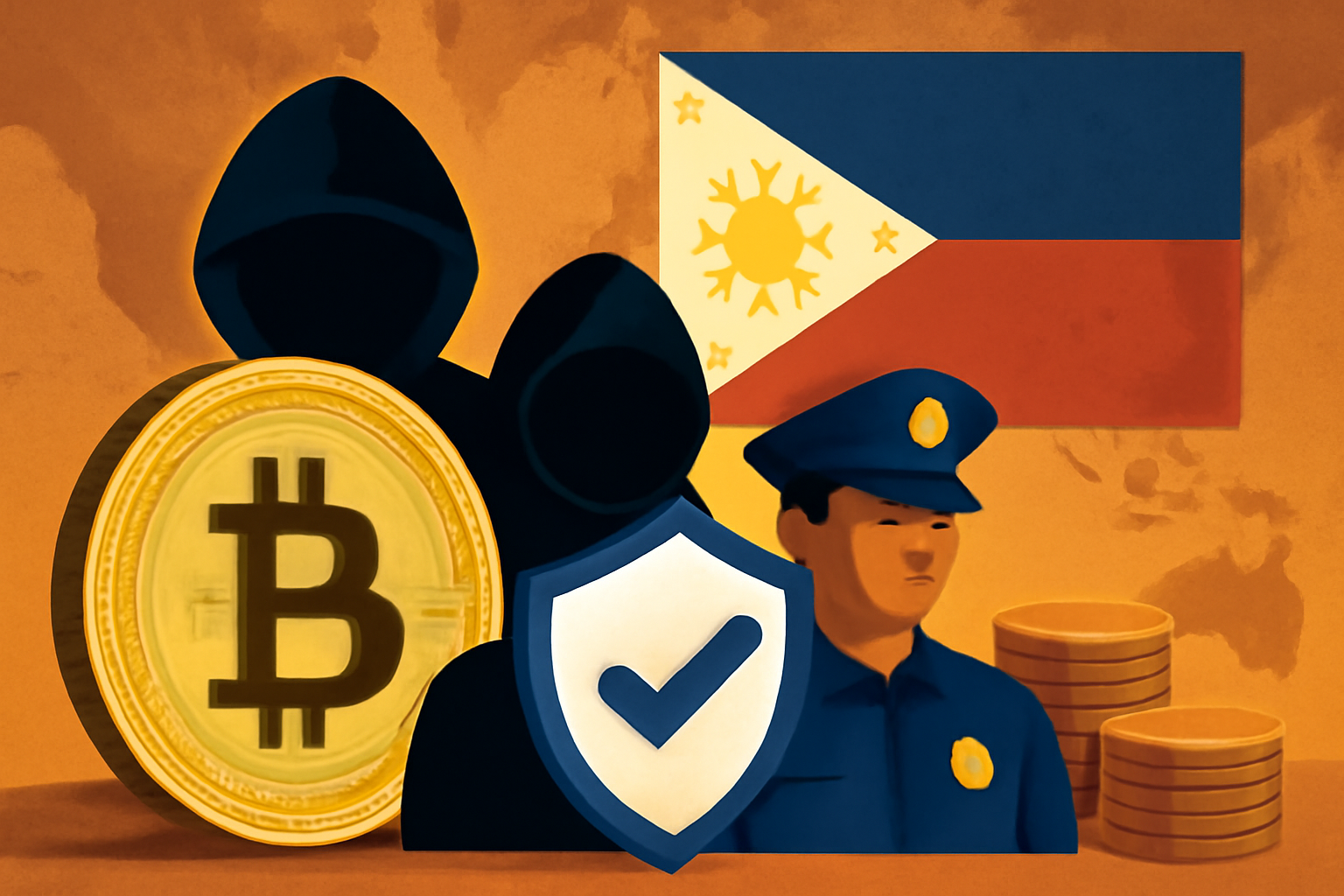
The Philippines has rapidly emerged as a significant player in the cryptocurrency world, particularly in the Southeast Asia region. The country has witnessed an increase in cryptocurrency adoption, driven by growing interest in digital assets and blockchain technology. However, as the popularity of cryptocurrencies has soared, so too have the risks associated with crypto fraud and criminal activities. In this article, we will explore the measures the Philippines has taken to combat crypto-related fraud and crimes and assess the country’s overall preparedness in dealing with these challenges.
The Rise of Cryptocurrency in the Philippines
Cryptocurrencies like Bitcoin, Ethereum, and local variants such as the Philippine Peso-backed tokens have seen widespread adoption in the Philippines. The ease of access, low transaction fees, and decentralized nature of digital currencies have made them particularly appealing in a nation with a large unbanked population. Many Filipinos use cryptocurrencies for remittances, investments, and digital payments, significantly contributing to the local economy.
According to reports, the Philippines has one of the highest rates of cryptocurrency adoption in Southeast Asia, with more Filipinos turning to digital currencies for various purposes, including investment and online purchases. However, this growth also opens the door for fraudsters and cybercriminals to exploit the system.
The Risks of Crypto Fraud and Cybercrime
With the increasing popularity of cryptocurrencies, the Philippines faces various risks related to fraud and criminal activities. These risks include Ponzi schemes, phishing attacks, rug pulls, and scams that promise high returns in exchange for investments in dubious cryptocurrency projects. Due to the relatively unregulated nature of the cryptocurrency market, these fraudulent schemes can be difficult to track and prevent.
One of the most common forms of crypto-related crime in the Philippines is the “investment scam.” These scams often involve fake cryptocurrency exchanges or investment platforms that promise high returns but later disappear with investors’ funds. Additionally, phishing attacks targeting crypto wallets and exchanges are rampant, where malicious actors trick individuals into revealing their private keys or login credentials.
The proliferation of “Ponzi” schemes in the Philippines also remains a concerning issue. Scammers often entice individuals to invest in crypto projects by promising significant returns, only to pay early investors with funds from new recruits, ultimately causing the scheme to collapse.
Government Actions and Regulatory Framework
Recognizing the risks posed by the cryptocurrency market, the Philippine government has taken steps to regulate and safeguard the growing industry. The Bangko Sentral ng Pilipinas (BSP), the central bank of the Philippines, has been proactive in providing a regulatory framework for cryptocurrency activities. In 2017, BSP issued guidelines for virtual currency exchanges (VCEs) to operate in the country. These guidelines require exchanges to register with the BSP, implement anti-money laundering (AML) measures, and follow know-your-customer (KYC) protocols.
Furthermore, in 2020, the Securities and Exchange Commission (SEC) of the Philippines issued a public warning against unauthorized investment schemes involving cryptocurrencies. The SEC stressed the need for investors to verify the legitimacy of crypto-based investment platforms and highlighted the risks associated with unregistered offerings. This move aims to prevent fraudulent crypto projects from gaining traction in the local market.
The Department of Justice (DOJ) and the National Bureau of Investigation (NBI) have also been active in investigating and prosecuting crypto-related crimes. The DOJ has established a dedicated cybercrime unit to handle cases involving digital currencies, while the NBI has been working with international law enforcement agencies to trace and apprehend criminals operating in the crypto space.
The Role of Technology in Combating Crypto Crime
Advances in technology play a significant role in both the rise of crypto-related crimes and efforts to combat them. On one hand, blockchain technology, which underpins cryptocurrencies, provides transparency and traceability, making it easier for authorities to track suspicious transactions. On the other hand, the anonymity associated with cryptocurrencies presents challenges for law enforcement agencies when attempting to trace perpetrators of crypto fraud.
To address these challenges, the Philippine government has begun implementing tools such as blockchain analytics software to monitor and investigate suspicious crypto transactions. These technologies allow authorities to detect patterns of fraud, identify suspicious wallet addresses, and gather crucial evidence that can aid in investigations.
Moreover, local authorities are collaborating with international organizations such as the Interpol and FATF (Financial Action Task Force) to strengthen the global fight against crypto-related crime. These collaborations help the Philippines to stay updated on emerging trends and best practices for tackling crypto fraud.
Challenges and the Road Ahead
While the Philippines has made significant strides in addressing crypto-related crime, several challenges remain. One of the primary concerns is the continued growth of decentralized finance (DeFi) platforms, which operate without central oversight. The anonymous and borderless nature of DeFi can make it difficult for regulators to enforce laws and track illicit activities.
Another challenge is the evolving tactics used by criminals, who are constantly finding new ways to exploit vulnerabilities in the system. For example, the rise of “smart contract vulnerabilities” and “flash loan attacks” poses significant risks to investors and crypto projects alike. In such a fast-moving environment, regulatory frameworks must evolve to address new threats effectively.
Additionally, educating the public about the risks of crypto fraud remains a priority. Many Filipinos are still unfamiliar with how to protect themselves from crypto scams, and a lack of awareness can lead to increased vulnerability. Public information campaigns and financial literacy programs could help mitigate these risks and empower individuals to make informed decisions in the crypto space.
The Philippines has made notable progress in addressing the risks of fraud and crime associated with cryptocurrencies. Through a combination of regulatory measures, technological solutions, and international collaboration, the country is steadily improving its preparedness to combat crypto-related crimes. However, ongoing challenges such as the rise of decentralized platforms and the evolving nature of cybercrimes indicate that the fight is far from over. As the crypto industry continues to evolve, the Philippine government must remain vigilant and adaptable in order to protect consumers and preserve the integrity of the financial system.